Yard Cleanup After a Storm in Poughkeepsie: Safety, Debris Removal, and When to Call a Pro
April 24, 2026
Call Or Text

Blue Collar Exterior Solutions has been serving homeowners and property owners throughout Poughkeepsie and Dutchess County for years, responding to storm damage cleanup jobs across all four seasons. Their crew has cleared fallen trees, removed storm debris, and restored lawns after wind events, heavy rain, ice storms, and nor'easters throughout the Hudson Valley. The guidance here reflects that direct, hands-on experience with real storm damage in this specific region.
Understanding Storm Damage in Poughkeepsie Yards
Poughkeepsie and the surrounding Hudson Valley sit in a region that gets hit with a wide range of severe weather throughout the year. Nor'easters, summer thunderstorms, heavy wind events, and ice storms all produce different types of yard damage, and knowing what you are dealing with helps you respond safely and effectively.
Common types of storm damage in the Hudson Valley area
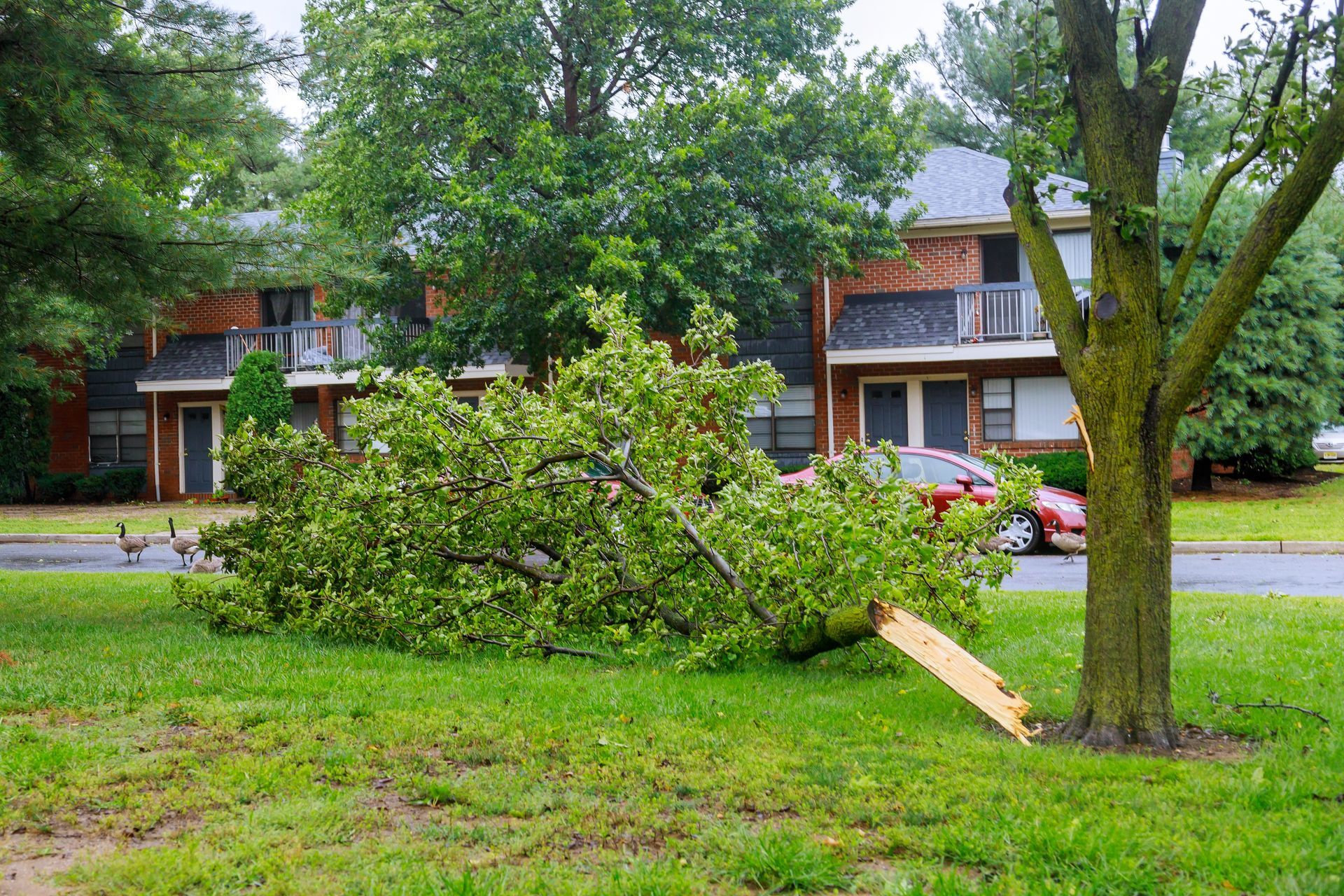
The most frequent storm damage issues on Poughkeepsie properties include fallen branches and downed trees, scattered yard debris, torn-up mulch beds, flattened vegetation, and debris-clogged gutters and drainage areas. Ice storms, which are common in the Hudson Valley from November through March, add the specific hazard of heavy ice loading on branches, which causes limbs to fail suddenly and without warning even after the storm has passed.
How wind, heavy rain, and snow impact lawns and landscaping
Heavy wind strips branches, topples weak or shallow-rooted trees, and scatters debris across large areas. Sustained rain saturates the soil, which loosens root systems and makes trees far more susceptible to tipping, even in moderate wind. Compacted wet debris sitting on the lawn after a storm blocks sunlight and airflow, which can damage or kill grass in a matter of days if left in place. Snow and ice add weight stress to branches and shrubs, causing breakage that may not be visible until the snow melts.
Hidden risks after a storm
Some of the most serious hazards after a storm are not immediately obvious. A tree that looks intact may have significant root damage and be at risk of falling. Branches caught in the canopy above, called widow makers, can come down hours or days after the initial storm. Saturated soil near slopes or retaining walls can shift. These are the risks that make post-storm yard assessment more involved than it might appear.
Safety First: What to Check Before Entering Your Yard
Before doing anything else after a storm, take a few minutes to assess the situation from a safe position. Do not walk directly into the yard until you have done a visual check from your doorway or driveway.
Downed power lines and electrical hazards
A downed power line is an immediate life-safety hazard. If you see any lines on the ground, hanging from trees, or draped across your yard, stay out of the area entirely and call Central Hudson or 911 before anything else. Do not assume a line is dead because it is not sparking. Stay at least 30 feet away and keep others back until utility workers confirm it is safe.
Unstable trees, limbs, and hanging branches
Look up before you walk into your yard. Broken branches caught in the canopy are one of the most common causes of post-storm injuries. They can be difficult to see and may come down with wind, vibration, or simply under their own weight. If a tree looks like it has significant lean it did not have before the storm, or if there is visible root lift at the base, treat it as unstable and keep clear until a tree professional can assess it.
Flooded or soft ground conditions
Saturated soil is not just a nuisance. It masks hazards like submerged debris, soft spots where the ground may give way, and areas where standing water may be deeper than it appears. Walk carefully and avoid areas that are actively flooded until water levels have receded.
When to stay out and wait for professionals
- If you observe any of the following, stay out of the yard and call a professional:
- Downed or low-hanging power lines anywhere on or near the property
- A tree that has leaned significantly or shows visible root lift
- Large branches lodged in the canopy above walkable areas
- A tree or large limb resting on your home, fence, or vehicle
- Standing water that has not receded within a few hours of the storm ending
Initial Yard Assessment After a Storm
Once you have confirmed the yard is safe to enter, a systematic walk of the property helps you understand the full scope of what needs to be done.
Walking your property safely to identify damage
Start at the perimeter and work inward. Check fence lines, the area around the foundation, and any trees close to the house first. Look up as well as at ground level. Note any branches that are broken but still attached, any trees with visible root disturbance, and any areas where debris has concentrated around drainage points.
Separating minor cleanup from major structural issues
Minor cleanup includes scattered small branches, leaves, and light debris that can be cleared with standard yard tools. Major structural issues include any fallen trees, large limbs over six inches in diameter, trees resting on structures, and significant soil displacement or erosion. The distinction matters because major structural issues typically require professional equipment and, in some cases, permits or utility coordination.
Documenting damage for insurance purposes
Before you move anything, photograph the damage. Walk the property with your phone and take photos from multiple angles, including close-ups of significant damage and wider shots that show context. If a tree has fallen on a structure, photograph it from multiple distances. This documentation is important for homeowner's insurance claims and should be done before any cleanup begins.
Prioritizing urgent vs. non-urgent cleanup tasks
Work through cleanup in order of urgency:
- Hazards that pose immediate safety risks, including hanging branches over high-traffic areas and debris blocking drainage
- Damage to structures or vehicles that needs to be addressed to prevent further damage
- Large debris removal that requires equipment or professional help
- General lawn and garden cleanup that can be scheduled over the following days
Storm Debris Removal and Cleanup Process
Removing Fallen Branches and Tree Limbs
Safe handling of large debris
For branches under four inches in diameter, a hand saw or pruning saw is typically sufficient. Work from the tip toward the trunk, cutting manageable lengths that you can move without straining. Never stand directly under a branch you are cutting, and be aware that tension in bent or pinned branches can cause them to spring back when cut.
Cutting and bundling branches properly
For curbside pickup, most Hudson Valley municipalities require branches to be cut into lengths of four feet or less and bundled. Check your town's specific requirements before bundling, as diameter limits and bundle sizes vary. Branches that are too large for bundling typically need to be hauled away separately or scheduled for bulk pickup.
When debris is too large for DIY removal
If a branch is more than six inches in diameter, involves a section of trunk, or is pinned under tension or against a structure, stop and call a professional. These situations require chainsaws, rigging equipment, and training to handle safely. Attempting to cut a large branch under tension without the right knowledge is one of the most common causes of serious injury during post-storm cleanup.
Clearing Leaves, Mud, and Lawn Debris
Removing organic debris that can suffocate grass
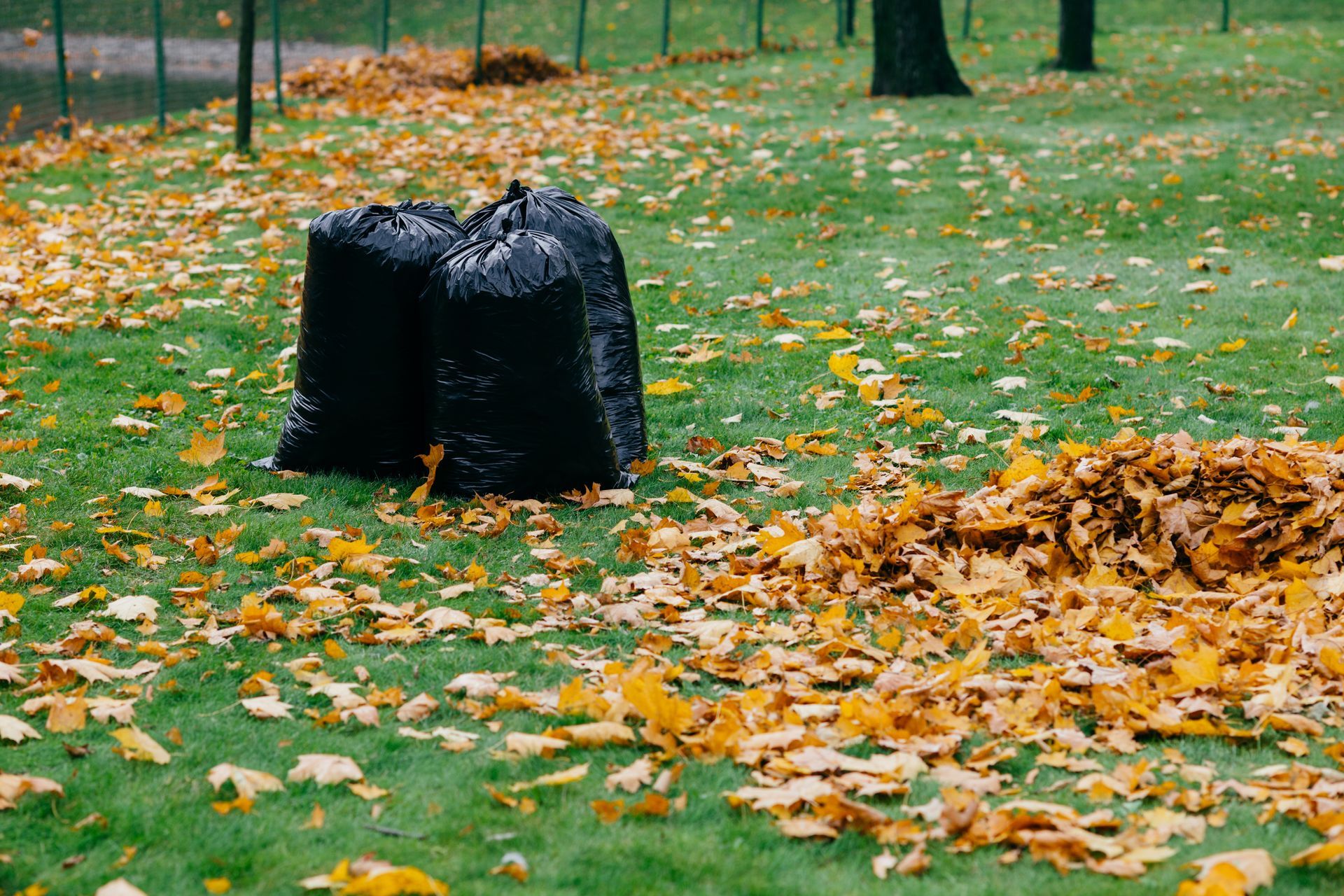
After a storm, wet leaves and organic debris compact quickly against the lawn surface. This layer blocks sunlight and airflow, and if left in place for more than a few days in warm weather, it can begin killing grass underneath. Getting debris off the lawn as quickly as conditions allow is a priority.
Handling wet leaves and compacted material
Wet debris is significantly heavier than dry material and harder to rake or blow. If the ground is still saturated, wait until conditions dry slightly before attempting to rake, as working on soft, wet soil with foot traffic can compact it and cause additional damage. When conditions allow, a leaf blower on a low setting helps loosen matted material before raking.
Restoring airflow to the lawn
After debris is cleared, a light raking pass over affected areas helps break up surface compaction and restore airflow to the soil. If areas were covered for more than a few days, check back over the following week. Grass that looks damaged initially will often recover on its own once debris is removed and sunlight returns.
Handling Yard Waste and Disposal
Curbside yard waste pickup guidelines
Most Hudson Valley municipalities have specific protocols for storm debris pickup. In many cases, storm debris is handled separately from standard yard waste pickup and may require a special collection request. Contact your town's public works department directly after a significant storm event to confirm the pickup process and timeline for your area.
Storm debris hauling options
For large volumes of debris that exceed what curbside pickup can handle, a professional hauling service is the most practical option. Many storm cleanup services include debris hauling as part of their scope, loading and removing material from the property in a single visit. This is often faster and more practical than waiting for municipal collection schedules after a major storm.
Eco-friendly disposal practices
Clean wood from fallen branches can be chipped into mulch and reused in garden beds. Leaves and organic material can go into a compost bin. Many Hudson Valley towns also have drop-off composting and wood chipping programs that accept storm debris. Keeping material out of the landfill when practical is worth the small additional effort.
Lawn and Landscape Recovery After a Storm
Getting the debris cleared is the first step. Restoring the lawn and landscape to healthy condition is the second, and it takes more time.
Repairing damaged turf and soil compaction
Areas that were covered by heavy debris, flooded, or compacted by equipment or foot traffic during cleanup will need attention. Once the ground dries, core aeration helps break up compacted areas and restore water and nutrient absorption. For areas with visible ruts or soil displacement, top dressing with a thin layer of quality topsoil before reseeding can help level and restore the surface.
Re-seeding or patching affected areas
Bare or damaged patches from storm debris should be reseeded as soon as conditions allow. In spring and early fall, soil temperatures support quick germination. Prepare the area by loosening the top inch of soil, apply seed at the recommended rate, cover lightly with a thin layer of straw or starter mulch to retain moisture, and keep the area consistently moist until germination takes hold.
Pruning shrubs and trees for healthy regrowth
Broken branches that are still attached to shrubs and trees should be pruned cleanly back to the nearest healthy branch collar. Ragged, torn cuts left in place are entry points for disease and insect damage. Use clean, sharp pruning tools and make cuts at a slight angle just outside the branch collar. Avoid cutting flush to the trunk, which removes the natural callus tissue the tree uses to heal.
Restoring mulch and garden beds
Storm events scatter mulch, expose soil in garden beds, and can displace edging and bed borders. Once debris is cleared and plants are assessed, restoring a fresh layer of mulch two to three inches deep helps protect soil, retain moisture, and return beds to a finished appearance. Check for any plants that were uprooted or displaced and replant or stake them while conditions are right.
Emergency Yard Cleanup Services in Poughkeepsie
What professional storm cleanup services include
A full professional storm cleanup service covers debris assessment, fallen branch and tree limb removal, lawn and garden debris clearing, hauling and disposal, and post-cleanup restoration steps. For significant storm events, this can also include stump grinding referrals, drainage clearing, and coordination with tree removal companies for large fallen trees.
Equipment used for large-scale debris removal
Professional crews bring commercial-grade chainsaws, wood chippers, debris haulers, and commercial leaf blowers that handle volumes and material sizes that consumer equipment cannot. For large trees or limbs resting on structures, rigging equipment and bucket trucks may be required, which are only accessible through professional services.
Advantages of hiring local professionals
A local company knows the area, understands the specific tree species and debris patterns common in Dutchess County, and can typically respond faster than a regional or national service. They also understand local disposal requirements and municipal pickup procedures, which affects how debris is processed and removed.
Response time expectations after severe weather
After a significant regional storm event, professional cleanup services will be in high demand. Response times can range from same-day for emergency situations to several days for standard cleanup. Calling as early as possible after a storm, even before you have a full picture of the damage, gets you on the schedule and helps crews prioritize the most urgent situations first.
DIY Cleanup vs. Hiring a Professional
When DIY Cleanup Makes Sense
Minor debris and small branches
If the storm left behind scattered small branches, leaves, and light debris with no structural damage or hanging hazards, DIY cleanup is straightforward and practical. A rake, a leaf blower, a hand saw for small branches, and a tarp for hauling are all you need.
Basic lawn cleaning and leaf removal
Clearing organic debris from the lawn, restoring mulch beds, and basic post-storm tidying up are all well within reach for most homeowners with standard yard tools. These tasks do not require specialized equipment or professional expertise.
Safety precautions for homeowners doing their own cleanup
Wear gloves and eye protection when handling debris. Use proper footwear, not sandals or lightweight shoes, on uneven, debris-covered ground. Do not use a chainsaw without proper training and safety equipment. Stay aware of what is above you at all times, and never work alone on anything involving ladders or large debris.
When to Call a Professional
Here is a clear breakdown of which situations call for professional help:
| Situation | DIY | Call a Pro |
|---|---|---|
| Scattered small branches and leaves | Yes | Not needed |
| Branches under 4 inches diameter | Yes, with hand saw | Optional |
| Branches over 6 inches diameter | No | Yes |
| Tree resting on structure or vehicle | No | Yes, immediately |
| Hanging branches in the canopy | No | Yes |
| Downed power lines | No | Yes, call utility first |
| Flooded or unstable ground | No | Yes |
| Large volume debris requiring hauling | Possible | Recommended |
| Root lift or leaning tree | No | Yes |
Large trees or structural damage
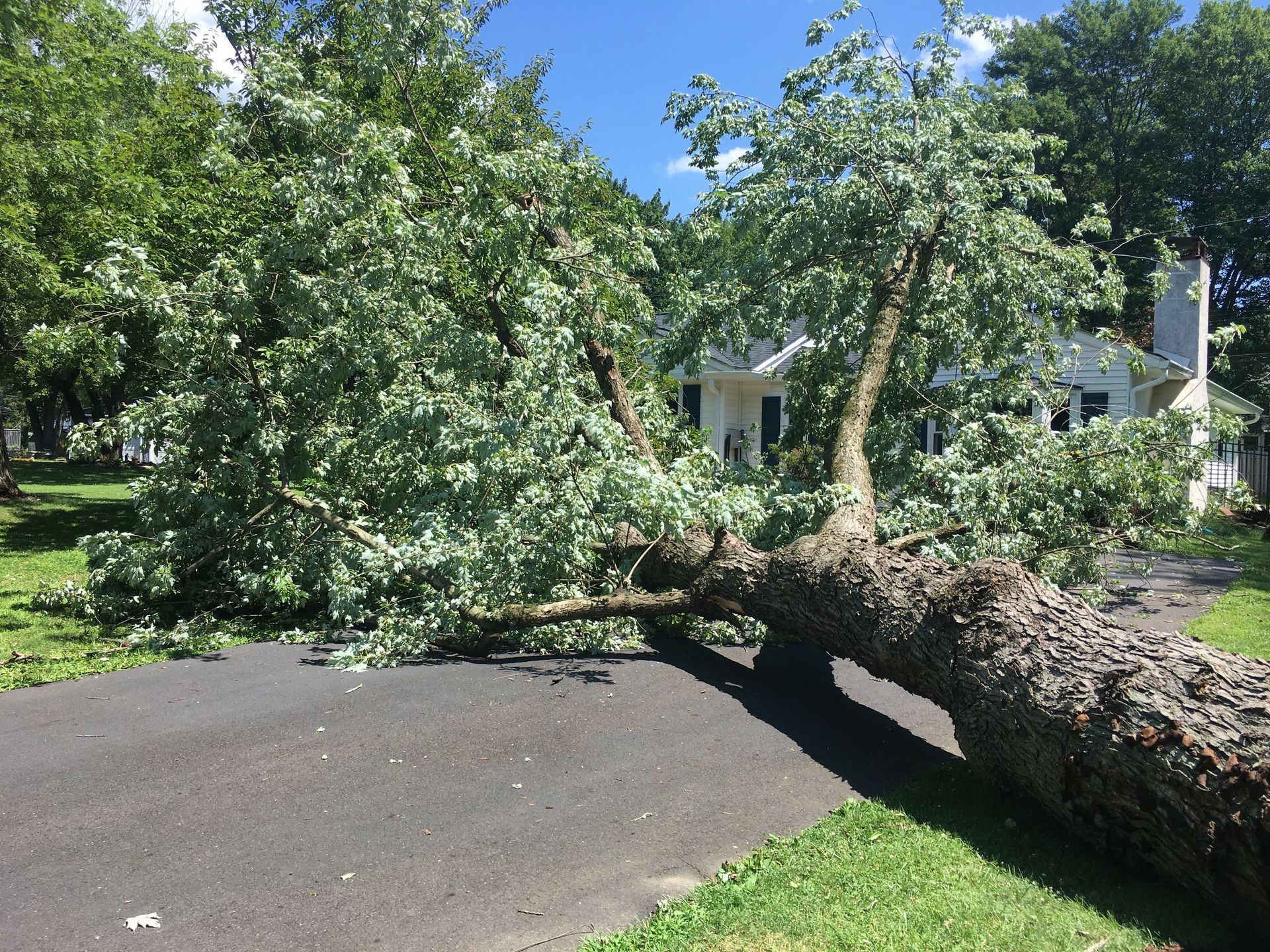
Any situation involving a full tree or large section of trunk, especially one that is resting on or near a structure, requires professional removal. The weight, tension, and rigging involved in safely removing large trees is beyond the scope of DIY tools and training.
Electrical hazards or unstable debris
If there is any question about power line involvement or structural stability, stop and call a professional. These are not situations where working carefully is sufficient. They require specialized equipment, training, and in the case of power lines, coordination with the utility company.
Extensive yard or multi-property damage
When storm damage is widespread across a large property or affects multiple structures, the scale and complexity of the cleanup is best handled by a professional crew with the equipment and capacity to work efficiently and safely across the full scope of the damage.
Preventing Future Storm Damage to Your Yard
Tree trimming and maintenance strategies
The single most effective thing you can do to reduce storm damage is to keep trees on your property properly maintained. Dead wood, weak branch attachments, and overgrown canopies are the primary sources of storm debris. An annual or biennial inspection by a certified arborist, combined with proactive trimming of dead or weak branches, significantly reduces what comes down in a storm. Focus particular attention on trees near the house, driveway, and utility lines.
Improving yard drainage and grading
Proper drainage reduces soil saturation during heavy rain events, which directly lowers the risk of tree tip-over and erosion. If your yard has low spots that hold water after rain, or if water is pooling near your foundation, addressing the grading or adding drainage infrastructure reduces both storm damage risk and long-term lawn health problems.
Strengthening landscaping against wind and rain
Choose plants and trees appropriate for the Hudson Valley's climate and your specific site conditions. Deep-rooted, native species generally perform better in storm conditions than shallow-rooted ornamentals. Stake newly planted trees for the first one to two seasons while root systems establish. Keep mulch away from tree trunks to prevent rot and shallow root development.
Seasonal preparedness tips for homeowners
- Walk your property each fall before storm season and identify any dead branches or trees that should be addressed before winter.
- Clear gutters and downspouts before fall and spring storm seasons.
- Secure or store lightweight outdoor furniture and equipment before forecasted wind events.
- Know where your utility shutoffs are and have the Central Hudson emergency number saved in your phone.
- Keep a basic cleanup kit, including gloves, tarps, a hand saw, and rope, accessible in your garage or shed.
Restoring a Safe and Healthy Yard After Severe Weather
Recap of safety and cleanup priorities
The sequence matters after a storm. Safety assessment comes first, before any cleanup begins. Urgent hazards, including power lines, unstable trees, and hanging branches, need to be addressed or avoided before anything else. Debris removal follows once the yard is confirmed safe, and lawn and landscape restoration comes after the debris is cleared.
Importance of timely debris removal
The faster debris comes off the lawn, the less damage accumulates underneath. Wet leaves and organic material left in place for more than a few days in warm weather can kill grass and create fungal conditions that take weeks to recover from. Getting to cleanup quickly, or having a professional crew do it, is worth the effort in reduced recovery time and cost.
Long-term benefits of proper storm recovery
A yard that is cleaned up and restored properly after a storm recovers faster, looks better through the rest of the season, and goes into the next season in better shape. Skipping steps, leaving debris in place, ignoring minor damage, or delaying restoration creates compounding problems that are more expensive to address over time. Treating storm cleanup as an investment in your property rather than just a chore produces measurably better results.
Ready to Clear Your Yard After a Storm?
Storm cleanup in Poughkeepsie does not need to be overwhelming. Working through it in the right order, starting with safety, moving to debris removal, and finishing with lawn and landscape restoration, produces the best results and avoids the secondary damage that rushed or incomplete cleanup creates.
If the scope of the damage is beyond what makes sense to handle yourself, or if you simply want it done right and done quickly, Blue Collar Exterior Solutions provides emergency and scheduled storm cleanup services throughout Poughkeepsie and the Hudson Valley. Reach out as soon as possible after a storm event to get on the schedule before demand peaks.
Frequently Asked Questions About Storm Cleanup in Poughkeepsie
How soon after a storm should I start yard cleanup?
Start your safety assessment as soon as conditions are safe, meaning the storm has passed, wind has died down, and you can do a visual check from a safe position. For actual cleanup, the timing depends on what you find. Urgent hazards like hanging branches over walkways should be addressed or cordoned off the same day. General debris cleanup can typically begin within one to two days once ground conditions allow and any power line hazards have been cleared by the utility company.
Does homeowner's insurance cover storm debris cleanup?
It depends on your policy and the nature of the damage. Most standard homeowner's policies cover debris removal when a fallen tree has damaged a structure, such as a fence, shed, or the house itself. Cleanup of a fallen tree that did not damage any structure is often not covered, or is covered only up to a limited amount. Document everything with photos before cleanup begins and contact your insurance provider to understand what your specific policy covers before you spend money on professional services.
What should I do if a tree falls on my house after a storm?
Do not re-enter the affected area of the house until a structural assessment has been done. Call your insurance company first to report the damage and get guidance on approved contractors. If the tree is still actively posing a hazard, call a professional tree service for emergency removal. Tarping or temporary covering of the exposed area can prevent additional water damage while you wait for professional help, but only attempt this if it is safe to do so from the ground or a stable surface.
How do I know if a tree is safe after a storm?
Signs that a tree may be unsafe after a storm include visible lean that was not there before, root lift or soil disturbance at the base, large cracks in the trunk or major branches, hanging broken branches in the canopy, and bark peeling away from the trunk in large sections. If you observe any of these, treat the tree as potentially unstable and keep clear until a certified arborist can assess it. When in doubt, call a professional rather than making assumptions.
Recent Posts