Seasonal Yard Cleanup Checklist for Hudson Valley Homeowners
April 24, 2026
Call Or Text

Blue Collar Exterior Solutions works with homeowners across the Hudson Valley every season, handling everything from routine lawn maintenance to full-scale debris removal. With years of hands-on experience across Dutchess County and the surrounding area, their crew understands the specific seasonal patterns, tree coverage, and yard conditions that Hudson Valley properties deal with year after year. The guidance in this checklist comes from that direct, on-the-ground experience.
Why Seasonal Yard Cleanup Is Essential for Your Property
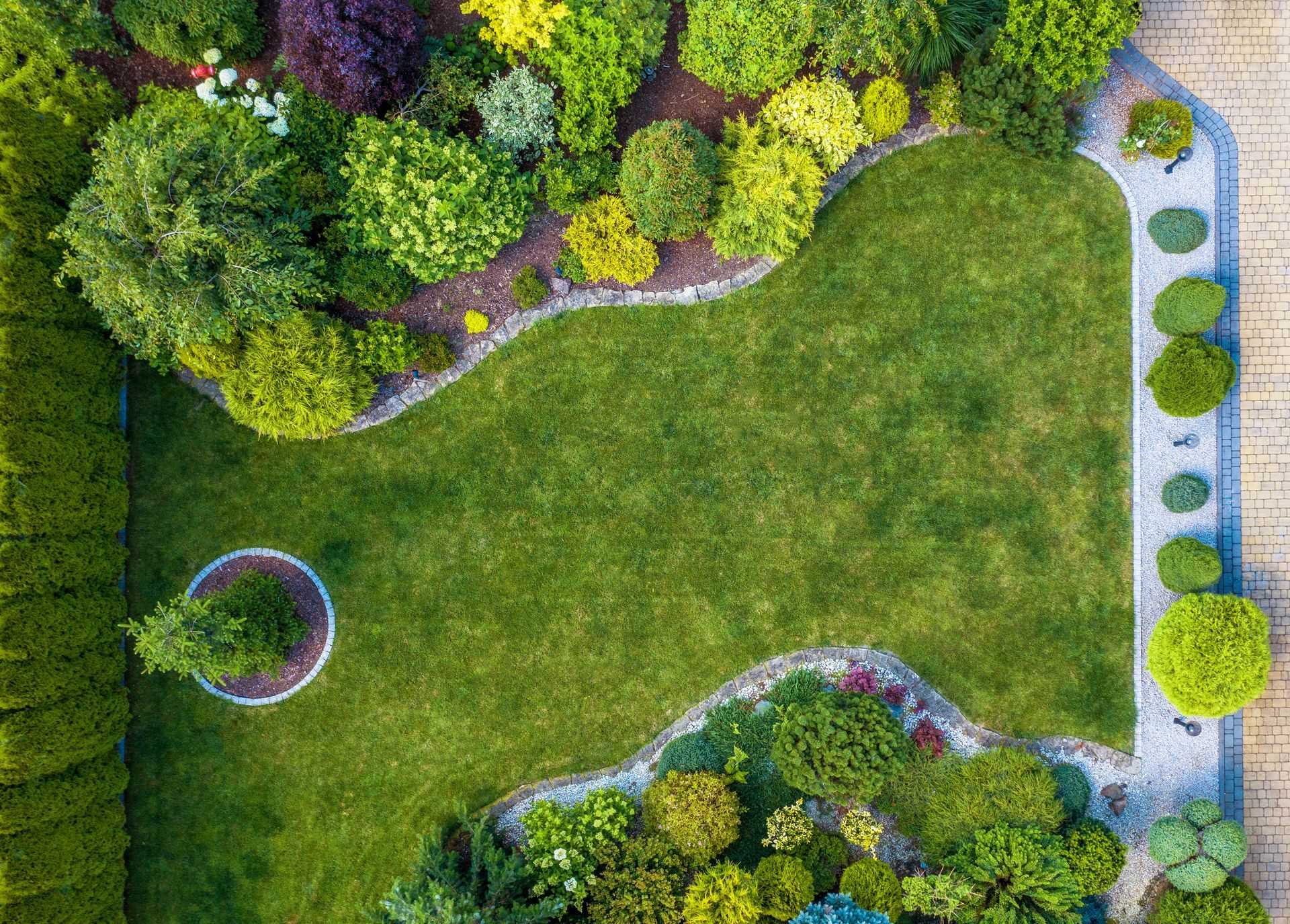
Keeping up with seasonal yard cleanup is one of the most practical things you can do for your property. It is not just about appearances. It directly affects the health of your lawn, the condition of your landscaping, and the long-term upkeep of your home's exterior.
Importance of routine yard maintenance throughout the year
Yard maintenance is easier and less expensive when it is done consistently. A twice-yearly cleanup, one in spring and one in fall, prevents the kind of buildup that turns a manageable job into a major project. Debris left in place through multiple seasons compacts, traps moisture, and creates conditions that are increasingly difficult and costly to reverse.
How seasonal cleanup protects lawn health and curb appeal
A lawn that gets regular attention recovers faster from seasonal stress, grows more evenly, and holds up better against disease and pests. Curb appeal matters too, whether you are planning to sell or simply want to enjoy your property. A yard that is cleaned up and well-maintained at the start of each season looks significantly better than one that is neglected and then addressed only when the damage becomes obvious.
Common issues caused by neglect
Skipping seasonal cleanup leads to a predictable set of problems:
- Debris buildup: Leaves, thatch, and organic waste accumulate and smother the grass underneath, blocking sunlight and airflow.
- Pest habitat: Leaf piles, brush, and untended beds give rodents and insects a place to shelter close to your home.
- Mold and fungal disease: Moisture trapped under debris creates ideal conditions for lawn diseases like gray snow mold and brown patch, both of which are common in the Hudson Valley.
- Drainage problems: Clogged gutters and debris-blocked drainage areas cause water to pool around your foundation and landscaping.
- Compacted soil: Without aeration and regular clearing, soil compacts over time, making it harder for grass roots to grow and water to absorb properly.
Understanding Seasonal Yard Cleanup in the Hudson Valley
The Hudson Valley has a distinct seasonal rhythm. Winters are cold and wet, springs are wet and slow to warm, summers bring heat and humidity, and falls bring heavy leaf drop from a dense canopy of hardwood trees. Each transition creates its own yard maintenance demands.
Spring Yard Cleanup Overview
Clearing winter debris and preparing for new growth
Spring cleanup is about resetting after winter. Ice, wind, and snow events leave behind branches, debris, and matted leaves. Dead grass and thatch have built up in areas that stayed wet under snow. Getting all of that cleared before the lawn starts actively growing is the first priority.
Encouraging healthy grass and plant development
Once debris is cleared, spring is the best window for aeration, overseeding, and fertilizing. The soil is soft, temperatures are rising, and grass is primed to respond. Acting in this window gives your lawn a head start on the growing season.
Key timing considerations for early-season maintenance
The right time to start spring cleanup in the Hudson Valley is typically late March through April, once the ground has dried out enough to work without compacting the soil. Avoid heavy raking or equipment on saturated ground. A few days of patience after a wet week makes a real difference in how the lawn responds.
Fall Yard Cleanup Overview
Managing leaf accumulation and organic waste
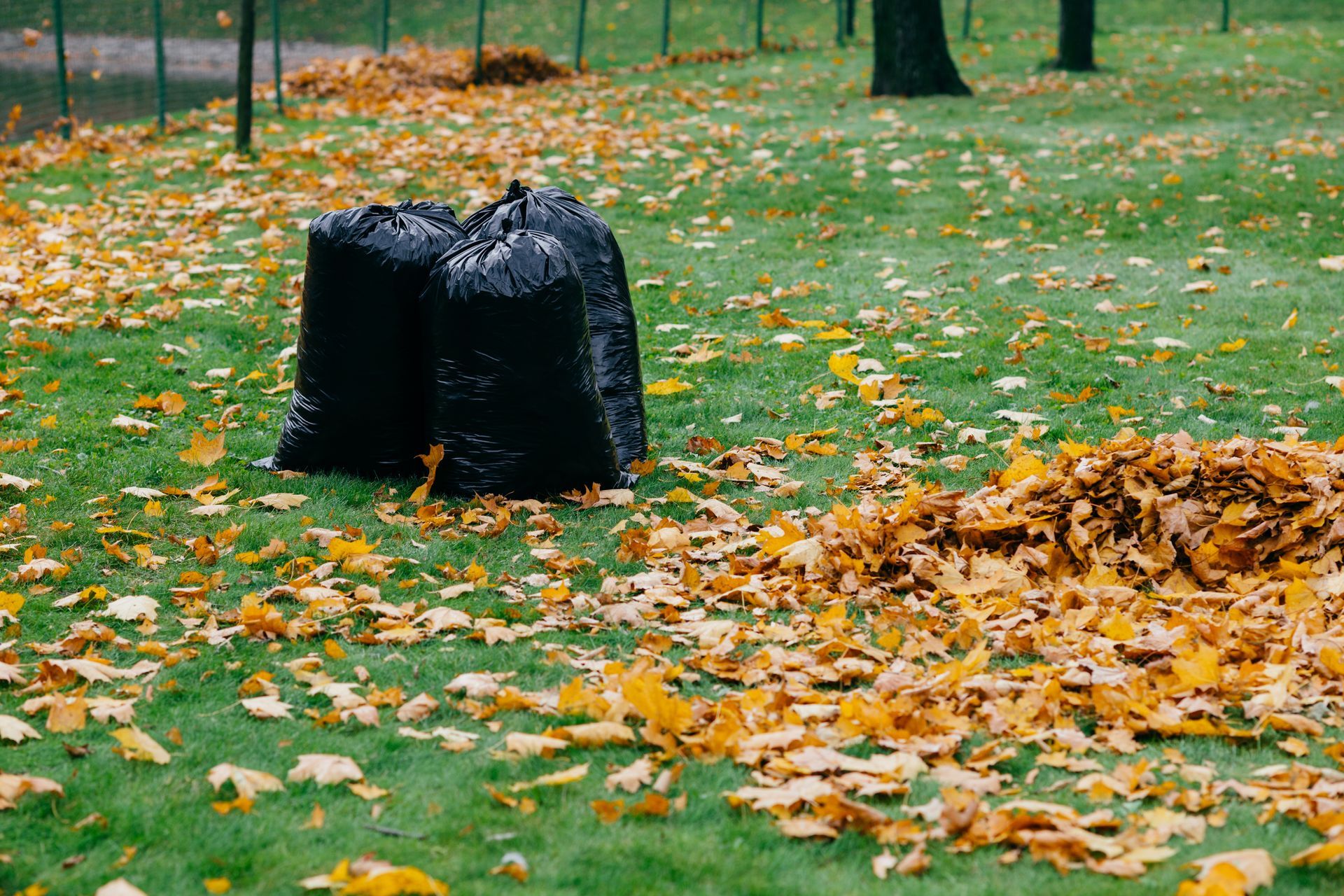
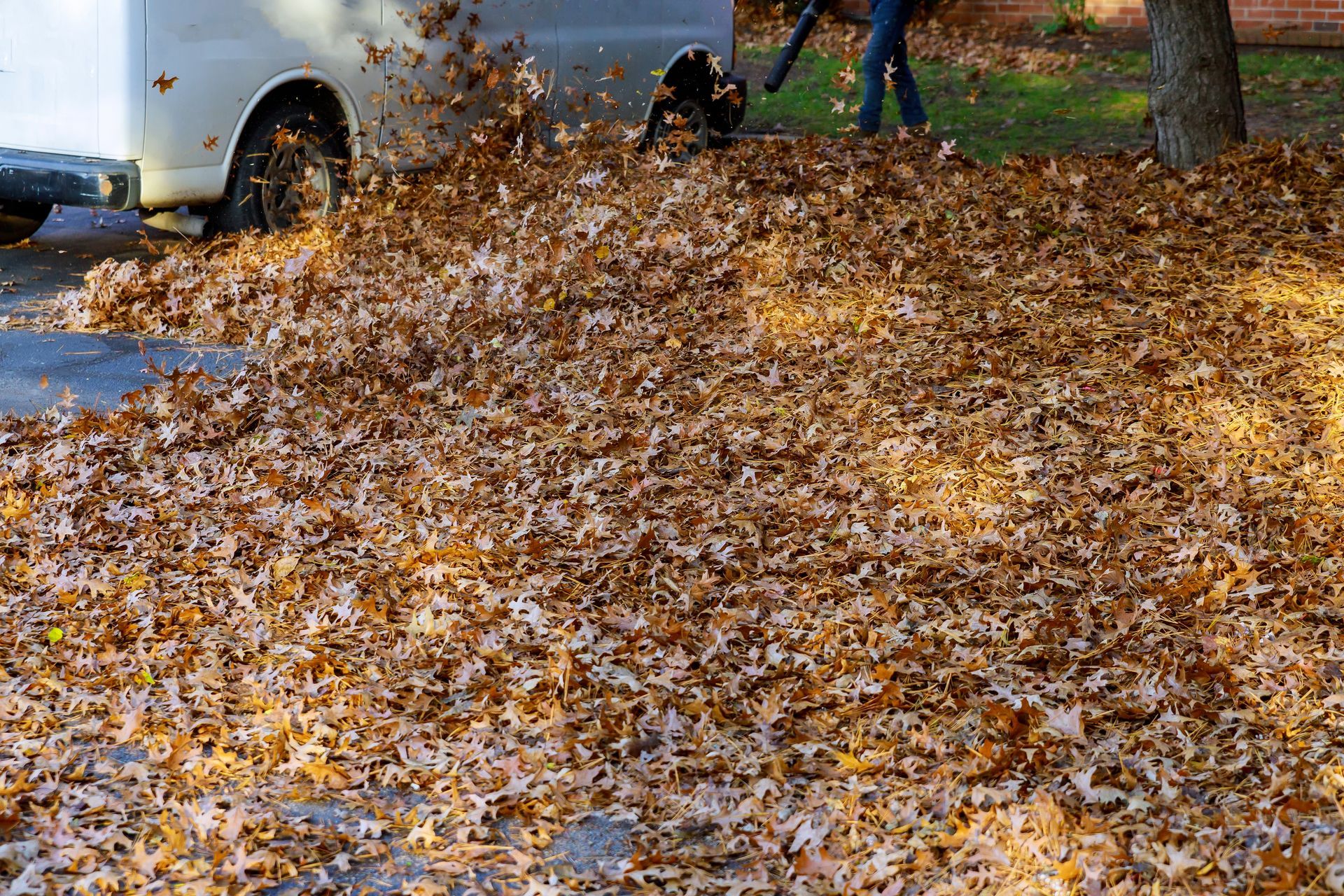
Fall is the most demanding cleanup season in the Hudson Valley. Mature hardwoods, including oak, maple, hickory, and beech, drop heavy volumes of leaves from October through early December. Oaks in particular hold their leaves late into the season. Managing that volume requires either two or three passes through the fall or a single thorough cleanup timed after the bulk of leaf drop is finished.
Preparing your yard for colder weather
Fall cleanup is not just about the leaves. It includes cutting back perennials, protecting sensitive plants, clearing out garden beds, and doing a final round of lawn treatment before the ground freezes. Getting these steps done before the first hard frost makes spring recovery significantly easier.
Preventing damage during winter months
Leaves and debris left in place through winter mat down, trap moisture, and create conditions for fungal disease and pest activity. A thorough fall cleanup is one of the most effective things you can do to protect your lawn over the winter months.
Complete Spring Yard Cleanup Checklist
Lawn and Soil Preparation
- Remove leaves, thatch, and dead grass: Rake or dethatch any matted material that built up over winter. A thatch layer thicker than half an inch can block water and nutrients from reaching the soil.
- Aerate the lawn: Core aeration breaks up compacted soil, improves drainage, and allows air, water, and fertilizer to reach the root zone. Spring is one of the two best windows for this in the Hudson Valley.
- Fertilize: Apply a balanced spring fertilizer after aerating to support new root growth and green-up. Avoid high-nitrogen fertilizers too early in the season, as a late frost can stress freshly stimulated grass.
- Overseed patchy areas: Bare or thin spots from winter damage should be overseeded in early spring. Use a starter fertilizer to help new seed establish before summer heat arrives.
Yard Debris Removal
- Clear branches, sticks, and storm debris: The Hudson Valley sees regular ice and wind events through winter. Walk the entire property and clear anything that came down before starting lawn work.
- Dispose of yard waste responsibly: Check your municipality's spring yard waste pickup schedule. Most Hudson Valley towns offer curbside collection in spring. Composting is also a practical option for leaves and organic material.
- Clean gutters and check drainage: Spring is a critical time to clear gutters and downspouts of the debris that accumulated through fall and winter. Check that drainage areas around your foundation are clear and directing water away from the house.
Garden Bed and Landscape Care
- Prune shrubs and trees: Late winter through early spring, before new growth pushes out, is the best time to prune most shrubs and ornamental trees. Removing dead or damaged branches improves plant health and appearance.
- Edge and redefine garden beds: Clean bed edges sharpen the look of the entire yard and make ongoing maintenance easier through the summer.
- Apply fresh mulch: A two to three inch layer of mulch in garden beds retains moisture, regulates soil temperature, and suppresses weed growth through the growing season. Do not pile mulch directly against plant stems or tree trunks.
Complete Fall Yard Cleanup Checklist
Leaf and Lawn Management
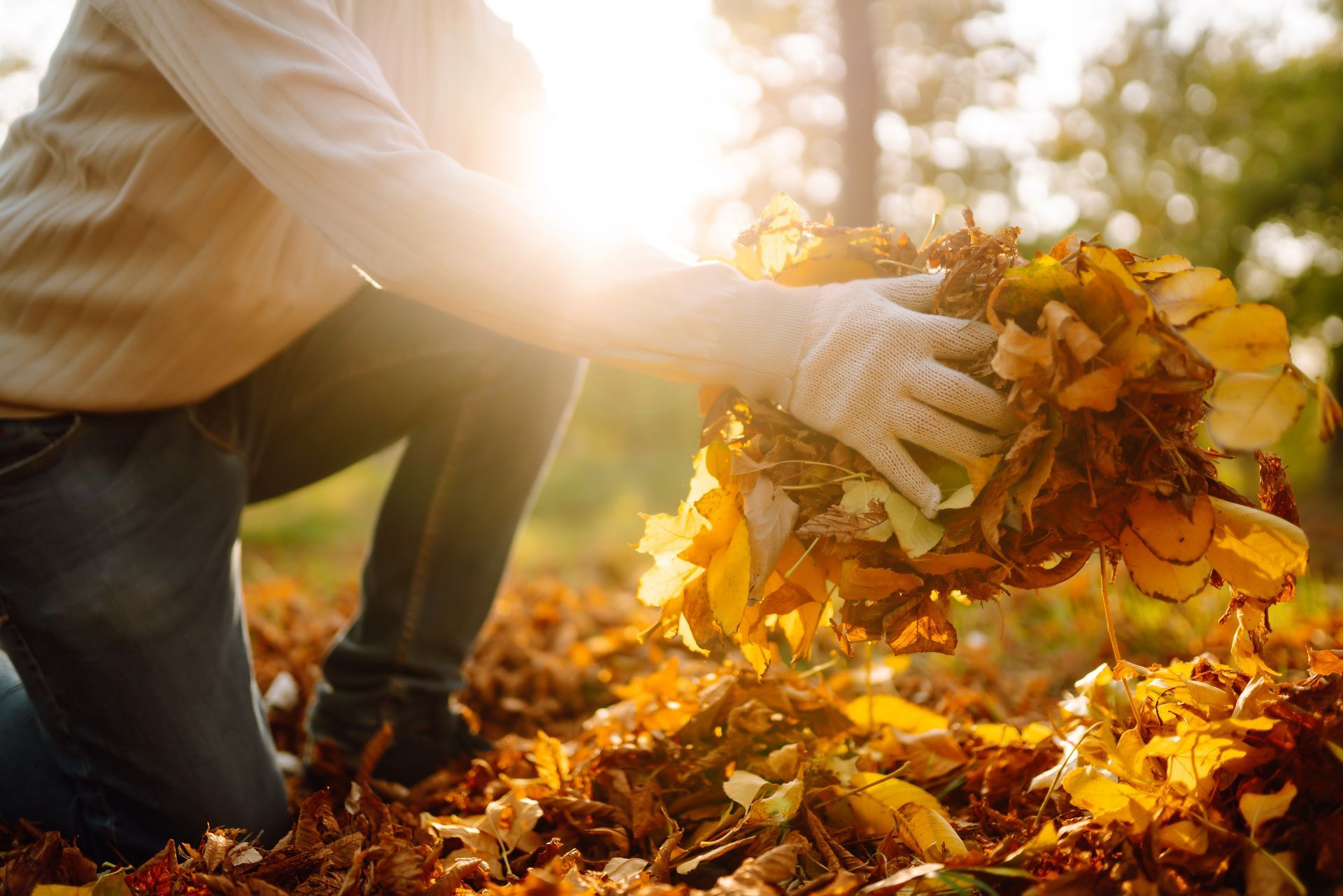
- Rake, mulch, or remove leaves: Light leaf coverage can be mulched in place with a mowing pass. Heavy coverage needs to be raked and removed. In the Hudson Valley, most properties with mature trees will need full removal rather than mulching alone.
- Prevent lawn suffocation and disease: Do not let leaves sit through extended rain. Wet, matted leaves accelerate fungal damage. Two cleanup passes, one in mid-October and one in late November or early December, work better than a single end-of-season effort.
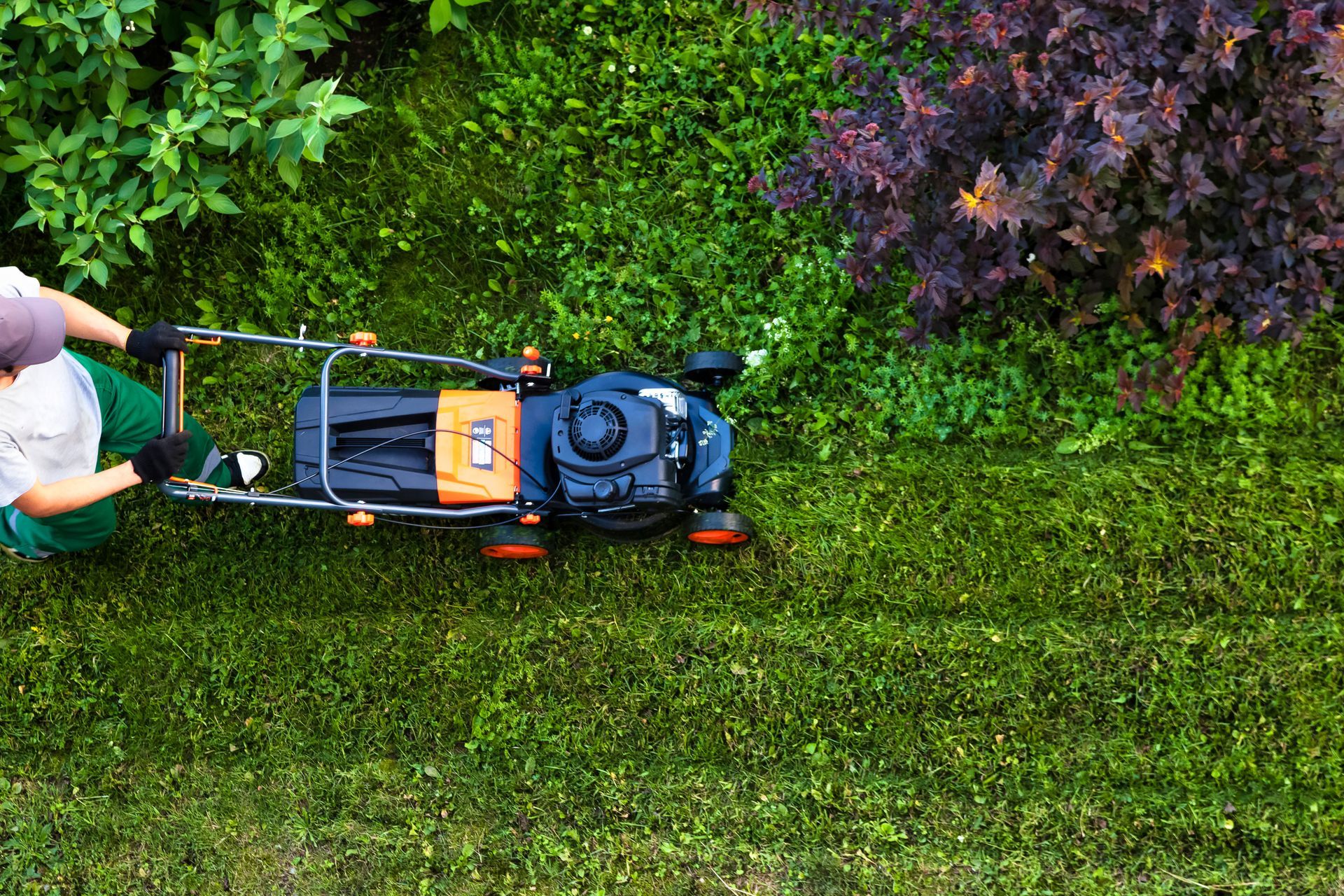
- Final mowing and lawn treatment: Mow the lawn slightly shorter for the final cut of the season, around two and a half to three inches. This reduces the risk of matting and snow mold. Apply a slow-release fall fertilizer to support root development through the dormant season.
Preparing Plants and Soil for Winter
- Cut back perennials: Most perennials should be cut back in fall after they have finished blooming and begun to die back. Leave ornamental grasses and plants with seedheads that provide winter wildlife habitat.
- Protect delicate plants: Tender shrubs and perennials that are marginally hardy in the Hudson Valley benefit from a layer of mulch or burlap wrapping before the first hard freeze.
- Apply fall fertilizer: A slow-release granular fertilizer applied in October gives grass roots the nutrients they need to develop through the fall and store energy for spring green-up.
Property and Exterior Maintenance
- Clean gutters and downspouts: Fall is the most important time to clean gutters. Heavy leaf drop from Hudson Valley hardwoods can clog gutters in a matter of weeks. Blocked gutters in winter lead to ice dams, water infiltration, and foundation issues.
- Remove remaining yard debris: Clear garden beds, rake out any remaining leaves from under shrubs, and remove annuals and spent vegetable plants before the ground freezes.
- Store outdoor equipment and furniture: Drain hoses, store cushions and furniture, and prepare any irrigation systems for winterization before temperatures drop consistently below freezing.
Yard Waste Disposal and Local Cleanup Options
Curbside yard waste pickup guidelines
Most Hudson Valley municipalities offer seasonal yard waste pickup programs. Leaves and organic debris need to be separated from household trash and placed at the curb according to your town's specific schedule. Do not mix yard waste with recycling or non-organic material, as this can cause the entire pickup to be skipped.
Leaf collection schedules and seasonal programs
Collection schedules vary by town and run primarily in fall, typically October through December, with some municipalities offering spring pickup as well. Check your town's official website each season for current zone dates and pickup windows, as schedules change year to year.
Bagging requirements and bulk pickup considerations
Some districts require bagged leaves rather than loose curbside piles. Where bagging is required, use paper bags rather than plastic, as most municipal composting programs do not accept plastic. Bulk debris, including branches, brush, and storm material, is usually handled on a separate schedule from standard leaf pickup. Contact your municipality directly for large debris removal requests.
Eco-friendly yard waste disposal methods
Composting is the most practical eco-friendly option for most homeowners. Leaves, grass clippings, and plant material can all be composted and turned into usable mulch or soil amendment within a season. Mulching leaves directly into the lawn with a mulching mower is another low-effort option when leaf coverage is light. Many Hudson Valley towns also have drop-off composting sites where residents can bring yard waste year-round.
DIY vs. Professional Seasonal Yard Cleanup
DIY Cleanup Tips for Homeowners
Essential tools and equipment
A well-equipped homeowner can handle most seasonal cleanup with the right tools. A backpack or wheeled leaf blower handles the bulk of leaf movement efficiently. A sturdy leaf rake, a dethatching rake, and a large tarp for hauling make the work significantly faster. A mulching mower is worth having for light leaf coverage and end-of-season mowing.
Time-saving strategies for efficient cleanup
Blow leaves into rows before raking. Rake onto a tarp and drag to the disposal point rather than bagging directly. Tackle the yard in sections rather than trying to do everything at once. Breaking the work into two passes in fall, rather than one large cleanup, keeps the volume manageable and protects the lawn better.
Composting and sustainable practices
Set up a simple compost bin at the edge of your property and use it throughout the season. Leaves, grass clippings, and garden waste all break down into usable compost within a few months. Mulching leaves directly into the lawn when coverage is light returns nutrients to the soil without any extra effort.
Benefits of Hiring Professional Yard Cleanup Services
Here is a quick comparison to help decide which approach fits your situation:
| Factor | DIY | Professional Service |
|---|---|---|
| Upfront cost | Lower, tool investment required | Higher, all-inclusive |
| Time required | Full day to full weekend | A few hours with a full crew |
| Equipment | Consumer-grade tools | Commercial blowers, vacuums, haulers |
| Debris disposal | Self-managed | Hauled off-property |
| Physical effort | High | None for the homeowner |
| Best for | Small yards, light debris, flexible schedule | Large properties, heavy debris, busy homeowners |
Convenience and time savings
A professional crew handles everything from start to finish. For homeowners with large properties, multiple mature trees, or limited time, the ability to hand off the entire job is the primary value. You do not need to manage scheduling around weather windows, source equipment, or deal with disposal.
Thorough and efficient results
Professional crews cover the details that are easy to overlook on a DIY cleanup: under shrubs, along fence lines, in tight corners around the foundation. They leave the property looking genuinely finished, not just cleared.
Handling large-scale or seasonal debris
Storm debris, brush piles, and heavy fall leaf volumes are where professional equipment makes the biggest difference. Commercial-grade blowers, truck-mounted vacuums, and debris haulers handle material and volume that consumer tools simply cannot match efficiently.
Seasonal Yard Maintenance Tips for Year-Round Results
Creating a consistent cleanup schedule
The simplest approach is to set three anchor dates each year: mid-October for the first fall cleanup, late November for the second fall pass, and early April for spring cleanup. Those three windows cover the core of what most Hudson Valley properties need. Adding a gutter cleaning to the fall and spring dates keeps exterior maintenance on track as well.
Combining cleanup with ongoing lawn care
Cleanup is most effective when it is paired with active lawn care. Aerate and overseed in the fall after your first cleanup pass. Fertilize in both fall and spring. Dethatch in early spring if buildup warrants it. These steps compound over time, building a lawn that is more resilient and requires less remediation each season.
Preventing future debris buildup
Staying ahead of debris is easier than clearing it after it accumulates. A mid-season tidy-up in late summer, clearing fallen branches and cleaning up garden beds before fall cleanup season starts, reduces the total volume you are dealing with when the heavy leaf drop arrives. Keeping gutters clear through the season also prevents the kind of drainage problems that compound into larger maintenance issues over time.
Frequently Asked Questions About Seasonal Yard Cleanup in the Hudson Valley
When should I start spring yard cleanup in the Hudson Valley?
Late March through April is the right window for most Hudson Valley properties. The key is waiting until the ground has dried out enough to work without compacting the soil. If you can walk across the lawn without your footprints filling with water, the ground is ready. Starting too early on saturated soil causes more damage than waiting a week or two longer.
How many times should I clean up leaves in the fall?
Two passes work significantly better than one for most Hudson Valley properties with mature hardwoods. A first pass in mid-October catches the early wave before it mats down. A second pass in late November or early December clears the remainder, including the late-dropping oak leaves. If your property has light tree coverage, a single thorough cleanup in November may be sufficient.
What is the difference between dethatching and raking?
Raking removes surface debris like leaves and twigs. Dethatching removes the layer of dead grass stems and roots, called thatch, that builds up between the soil surface and the living grass. A thin thatch layer is normal and beneficial. When it exceeds about half an inch, it starts blocking water, air, and nutrients from reaching the soil. Dethatching is done with a specialized rake or power dethatcher and is typically needed every few years rather than every season.
Can I leave grass clippings and light leaf debris on the lawn?
Yes, in moderate amounts. Grass clippings break down quickly and return nitrogen to the soil. Light leaf coverage, when dry and not too thick, can be mulched with a mowing pass and left in place. The limit is coverage density. If leaves are thick enough to block sunlight or stay matted after mowing, they need to be removed rather than mulched in place.
Is fall or spring the more important cleanup season?
Fall. The damage that builds up under leaves and debris through winter is harder to reverse than the spring debris that accumulates after a thorough fall cleanup. A property that goes into winter with a clean lawn and clear gutters comes out of winter in significantly better shape than one that does not. Spring cleanup is important, but it is largely a reset after a well-managed fall, not a rescue operation.
Keeping Your Hudson Valley Yard Clean and Healthy
Staying on top of seasonal yard cleanup comes down to timing and consistency. The two most important windows are fall, where the priority is getting leaves cleared before winter sets in, and spring, where the goal is resetting the lawn before new growth begins. Address those two seasons well and the rest of the year is manageable.
Planning ahead for the next cleanup cycle is easier than reacting to buildup. Set your three anchor dates, mid-October, late November, and early April, and treat them like fixed commitments rather than optional tasks. Pair each cleanup with the appropriate lawn care steps and your yard builds resilience from season to season rather than just recovering from the last one.
For homeowners who want the work handled thoroughly and on schedule, Blue Collar Exterior Solutions provides full seasonal yard cleanup and debris removal services throughout the Hudson Valley. Reach out to get on the schedule before the busy season fills up.
Recent Posts