Spring Yard Clean Up in Poughkeepsie, NY: Step-by-Step Checklist for a Better Lawn
March 16, 2026
Call Or Text

If you want a better lawn this spring, start with cleanup before you start treatments. Clear winter debris, wait for the soil to dry, fix weak spots early, and avoid mowing or fertilizing too soon. Blue Collar Exterior Improvements is qualified to speak on this because it is a locally owned and operated Poughkeepsie company that serves the Hudson Valley and offers landscaping, leaf cleanup, bush trimming, and mowing as core services. The company was founded in 2023 and works with local properties that deal with heavy leaf drop, soggy spring soil, and fast seasonal growth.
Why Spring Yard Clean Up Matters in Poughkeepsie, NY
Spring yard clean up is not just about making a yard look neat. It helps your lawn recover from winter and gives new growth a better chance to come in strong. In the Hudson Valley, spring often brings wet soil, leftover leaves, fallen twigs, and thin turf. If that mess sits too long, it can trap moisture, block sunlight, and lead to weak grass, weeds, mold, and drainage problems.
A good spring cleanup also helps you catch problems before they get worse. Bare spots, compacted soil, clogged drainage paths, and damaged shrubs are much easier to deal with early in the season than later when growth speeds up. That is one reason a real spring lawn care plan works better than a quick one-day cleanup.
Start With a Full Yard Inspection
Before you rake or mow, walk the whole property. This helps you see what winter left behind and what needs attention first. Look for fallen branches, leaf piles trapped along fences, thin grass in shady spots, weeds in beds, and water pooling near the house or in low parts of the yard. Pros often start with this kind of walkthrough because it shows where the real trouble spots are.
This first check also helps you separate simple cleanup from actual repairs. Once loose debris is gone, you can spot broken edging, lawn damage, bed problems, and drainage trouble much more clearly. That makes the rest of the work more useful.
Wait Until the Lawn and Soil Are Ready
One of the biggest spring mistakes is working on the yard when the ground is still too wet. Wet soil compacts easily, and compaction makes it harder for air, water, and nutrients to reach the roots. Benson's cleanup guide recommends waiting until the soil is dry enough to break apart in your hand before walking on it too much, and Blue Collar also notes that soggy spring lawns are easy to rut and damage.
A simple rule is this: if the yard feels soft, muddy, or spongy, wait a little longer. A short delay now can save you from patchy grass and more repair work later.
Remove Leaves, Twigs, and Other Winter Debris
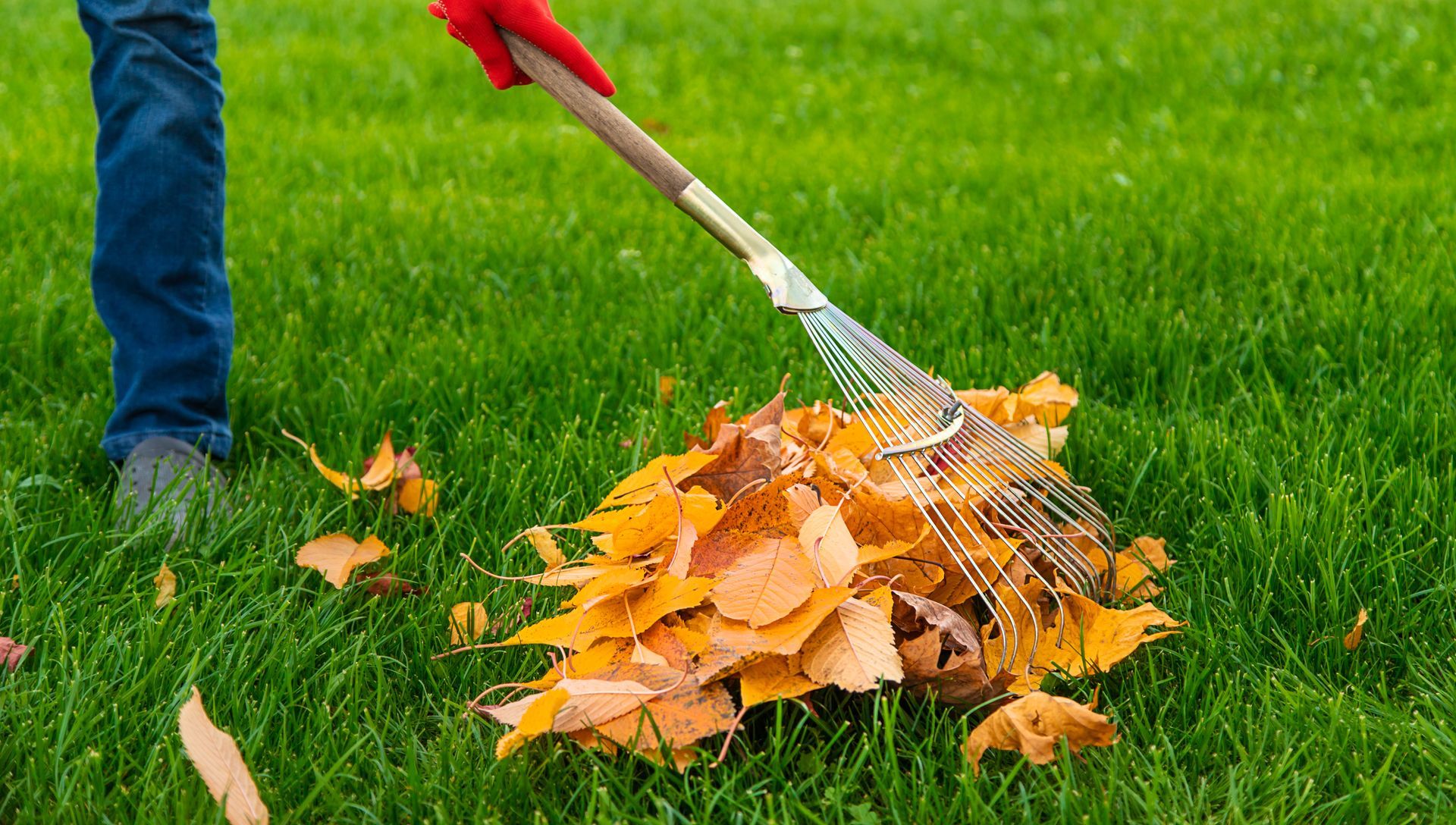
Once the ground is ready, begin with surface cleanup. Remove leaves, sticks, dead plant material, and any trash that built up over winter. Check not just the open lawn, but also corners, fence lines, around sheds, under shrubs, and behind outdoor features where debris tends to collect. Benson recommends composting organic waste when possible, and Blue Collar points out that debris left too long can hold moisture and weaken turf.
For many Poughkeepsie properties, this step makes the biggest visual difference right away. It also makes the rest of the job easier because you can finally see the grass, soil, and beds underneath.
Rake Out Thatch and Open Up the Lawn
After the loose debris is gone, check for thatch. Thatch is a layer of dead grass and organic buildup that can block sunlight, air, and moisture. Benson's guide says light dethatching with a rake can help your lawn breathe and grow better in spring.
This does not mean every lawn needs aggressive dethatching. A light pass is often enough if the buildup is minor. The goal is to open up the lawn, not tear it up. If you go too hard on a stressed spring lawn, you can do more harm than good.
Prune Shrubs, Perennials, and Damaged Branches
Spring is also a good time to trim back dead or damaged growth. Remove broken branches, winter-killed stems, and weak growth on shrubs and perennials. Benson recommends pruning dead branches to support healthy growth and better sunlight exposure, while Blue Collar notes that bush trimming can improve airflow and reduce storm risk around the home.
This step matters for both plant health and appearance. It helps clean up the look of the yard, but it also reduces crowding and lets more light reach the lawn and beds. Just keep the focus on dead, damaged, or clearly overgrown material.
Clean Up and Redefine Flower Beds
Flower beds usually need attention after winter too. Remove dead leaves, old annuals, weeds, and leftover plant debris. Clean bed edges so the border between the lawn and the beds looks sharp again. Blue Collar notes that edging does more than improve looks. It also helps keep grass from creeping into beds and makes mowing easier.
If the old mulch is thin or broken down, a light refresh can help. Spread it evenly and keep it off plant stems and tree trunks. Mulch can improve curb appeal, help hold moisture, and support better soil over time when used the right way.
Fix Lawn Trouble Spots Before They Spread
Spring cleanup should not stop at raking and trimming. If you notice bare patches, thin turf, compacted areas, or spots where water always sits, deal with them early. Blue Collar explains that compacted soil can block roots from getting what they need and that aeration and overseeding are often the right next steps when a lawn feels hard or drains slowly.
The main point is simple: fix small problems before they turn into bigger ones. Thin grass can become bare soil. Bare soil can turn into weeds. Early repair usually saves time and effort later.
Get Your Mower and Yard Tools Ready for the Season
Before the first cut, tune up your mower. Benson recommends changing the oil, replacing the air filter and spark plug, and sharpening the blades. It also helps to clean and sharpen hand tools like pruning shears and trowels.
Sharp mower blades matter more than many homeowners think. Dull blades tear grass instead of cutting it cleanly, which can stress the lawn and leave it looking rough. A simple mower tune-up is one of the easiest ways to support better spring lawn care in Poughkeepsie NY.
Mow at the Right Time and Height
Do not rush the first mow. Benson advises waiting until temperatures reach at least 40 degrees and the grass is about 2 to 3 inches tall before mowing. Cutting too early can stress the lawn when it is still waking up from winter.
It also helps to avoid cutting too short. Taller grass generally develops stronger roots and handles stress better. Start steady, keep the lawn neat, and resist the urge to scalp it just because it is the first cut of the season. If you'd rather hand that first cut off to a pro, Blue Collar's lawn mowing service covers Poughkeepsie and the surrounding Hudson Valley area.
Be Careful With Fertilizer and Early-Season Treatments
Another common mistake is fertilizing too soon. Benson says early fertilizer can push weed growth and recommends waiting until the lawn shows new green growth first. That is a smart reminder for homeowners who want fast results but end up feeding weeds instead of helping the lawn.
This is where patience pays off. Spring lawn prep is not about doing everything at once. It is about doing the right steps in the right order.
Refresh Mulch and Support Healthy Soil
Healthy lawns and beds start with healthy soil. Blue Collar points out that compost and organic matter can improve soil structure over time, especially in tired beds and weak lawn areas. A light mulch refresh can also help protect soil, hold moisture, and give beds a cleaner finish.
You do not need to overdo this step. Even simple improvements, like adding compost to worn spots or topping off thin mulch, can support stronger spring growth.
Don't Ignore Drainage and Water Flow
In the Hudson Valley, spring rain can create trouble fast if water has nowhere to go. Clear swales, drain grates, downspout exits, and other runoff paths so water moves away from the home and off the lawn the way it should. Blue Collar highlights this as one of the pro-level cleanup steps homeowners often miss.
If certain spots stay wet every spring, make a note of them. Those areas may need more than cleanup alone. They may need grading, drainage work, or a different plan for grass and plantings.
A Simple Spring Yard Clean Up Plan for Poughkeepsie Homeowners
For most homeowners, the best spring plan is straightforward: inspect the yard, wait for dry soil, remove winter debris, lightly rake out thatch, prune damaged growth, clean flower beds, repair weak lawn areas, tune up the mower, mow at the right time, and hold off on fertilizer until the lawn is actively growing. That order follows the same practical advice found across the reference articles and matches the way local yards actually wake up in spring.
Some jobs are easy to do yourself. Others may be better left to a pro, especially if the yard has heavy debris, major drainage problems, compacted turf, or overgrown shrubs that need more than a quick trim. Blue Collar's full seasonal yard cleanup services are built around exactly these kinds of Hudson Valley properties.
Give Your Lawn a Strong Start This Spring
A better lawn starts with better timing. In Poughkeepsie, that means not rushing onto wet ground, not mowing or fertilizing too early, and not stopping at surface cleanup alone. When you clear debris, open up the lawn, fix weak spots, and prepare the yard the right way, you give the whole property a stronger start for the season.
Frequently Asked Questions
When is the best time to start spring yard cleanup in Poughkeepsie, NY?
The best time to begin is once the soil has dried out enough to crumble in your hand without being muddy or spongy. In the Hudson Valley, that often means waiting until mid-to-late March or even early April depending on the year. Starting too soon on wet ground can compact the soil and cause more damage than the winter left behind.
Do I need to dethatch my lawn every spring?
Not necessarily. Dethatching is only needed if there's a noticeable buildup of dead grass and organic material blocking sunlight and airflow. A light pass with a rake is usually enough for most Poughkeepsie lawns. Aggressive dethatching on an already-stressed spring lawn can do more harm than good.
How do I know if my lawn needs aeration this spring?
If water tends to pool on the surface, if the lawn feels hard underfoot, or if grass in certain areas is thin and struggling despite regular care, compaction is likely the cause. Aeration helps loosen the soil so air, water, and nutrients can reach the roots. It's often paired with overseeding for best results.
Is it okay to fertilize right when the grass starts greening up?
It's better to wait until the lawn is actively growing rather than just starting to green. Fertilizing too early can encourage weed growth instead of feeding the grass. Once you see consistent new green growth across the lawn, that's generally the right window to apply a spring fertilizer.
What spring yard tasks are worth hiring a professional for?
Tasks like heavy debris removal, drainage corrections, shrub pruning, and first-of-season mowing are all areas where a local pro can save time and prevent mistakes. If your yard has significant compaction, major thatch buildup, or drainage issues that come back every spring, a professional assessment is worth it before the season gets away from you.
Recent Posts