Poughkeepsie Lawn Care Calendar: When to Mow, Fertilize, and Clean Up in the Hudson Valley
March 16, 2026
Call Or Text

The best way to care for a lawn in Poughkeepsie is to follow the season, not the calendar date alone. In the Hudson Valley, weather changes fast, spring soil stays wet longer than many homeowners expect, and cool-season grass responds best when mowing, fertilizing, and cleanup are timed the right way. Blue Collar Exterior Improvements is qualified to write about this topic because the company works on local Hudson Valley properties and handles services like lawn mowing, seasonal cleanups, bush trimming, and yard maintenance. That hands-on local experience matters because lawn care in Poughkeepsie is shaped by real site conditions like leaf buildup, soggy spring ground, summer heat, and heavy fall cleanup needs.
Why a Lawn Care Calendar Matters in Poughkeepsie
A lawn care calendar helps you do the right work at the right time. That matters because doing a task too early can hurt the lawn just as much as doing it too late. In Poughkeepsie, lawns often wake up slowly in spring, grow hard in late spring, slow down in summer heat, and recover again in fall. If you mow too early, fertilize too soon, or ignore cleanup until problems build up, your lawn may end up thin, stressed, or full of weeds.
A seasonal plan also saves time. Instead of guessing what your yard needs each month, you can focus on the jobs that matter most in that part of the year. That makes lawn care feel simpler and more manageable.
Start With Your Lawn Type and Yard Conditions
Most lawns in Poughkeepsie are made up of cool-season grasses. These grasses grow best in the cooler parts of the year, especially spring and fall. That means those seasons are usually the best times for mowing adjustments, repair work, and healthy growth.
Your lawn also has its own conditions that affect timing. A shady backyard may stay wet longer than the front yard. A sloped lawn may dry faster. Areas near trees may collect more leaves and roots. Low spots may stay soggy after rain. Before you follow any lawn schedule, it helps to understand how your yard behaves.
A good lawn care plan starts with looking at:
- Sun and shade
- Drainage and low spots
- Thin or patchy grass
- Heavy leaf buildup
- Compact soil
- Areas damaged by winter or foot traffic
These details help you decide when to mow, when to wait, and where to focus first.
Early Spring Lawn Care in Poughkeepsie
Early spring is the time to inspect, clean up, and be patient. Many homeowners want to get outside as soon as the snow is gone, but the lawn may not be ready yet. If the soil is still wet, walking on it too much can compact the ground and damage young grass.
Start with a full yard check. Look for fallen sticks, leaf piles, soggy areas, broken branches, dead spots in the lawn, and winter damage around beds and edges. This is also the best time to notice drainage problems before the growing season gets busy.
Once the ground is firm enough, remove winter debris. Clear leaves, twigs, trash, and dead plant material from the lawn and beds. This helps sunlight and air reach the grass. It also makes it easier to spot bare patches, weeds, and trouble areas that need more attention.
Early spring is not the time to rush everything. Think of it as the setup stage. You are getting the lawn ready for growth, not forcing it.
Spring Yard Cleanup Tasks That Set Up a Better Lawn
Spring cleanup has a big effect on how the lawn performs through the rest of the year. A clean yard warms up better, drains better, and is easier to mow and maintain.
One of the first tasks is light raking. This helps remove matted grass, small debris, and minor thatch buildup. If the lawn has a heavy thatch layer, it may need more work, but many lawns only need a light pass to open things up.
This is also a smart time to trim damaged branches and prune back dead growth on shrubs and perennials. Bush trimming and cleaning up flower beds, redefining bed edges, and removing weeds can make the whole property look better right away.
Do not forget drainage areas. Clear downspout exits, swales, and low spots where water tends to collect. Poor drainage can weaken turf, create muddy spots, and make spring work harder than it needs to be.
When to Start Mowing in the Hudson Valley
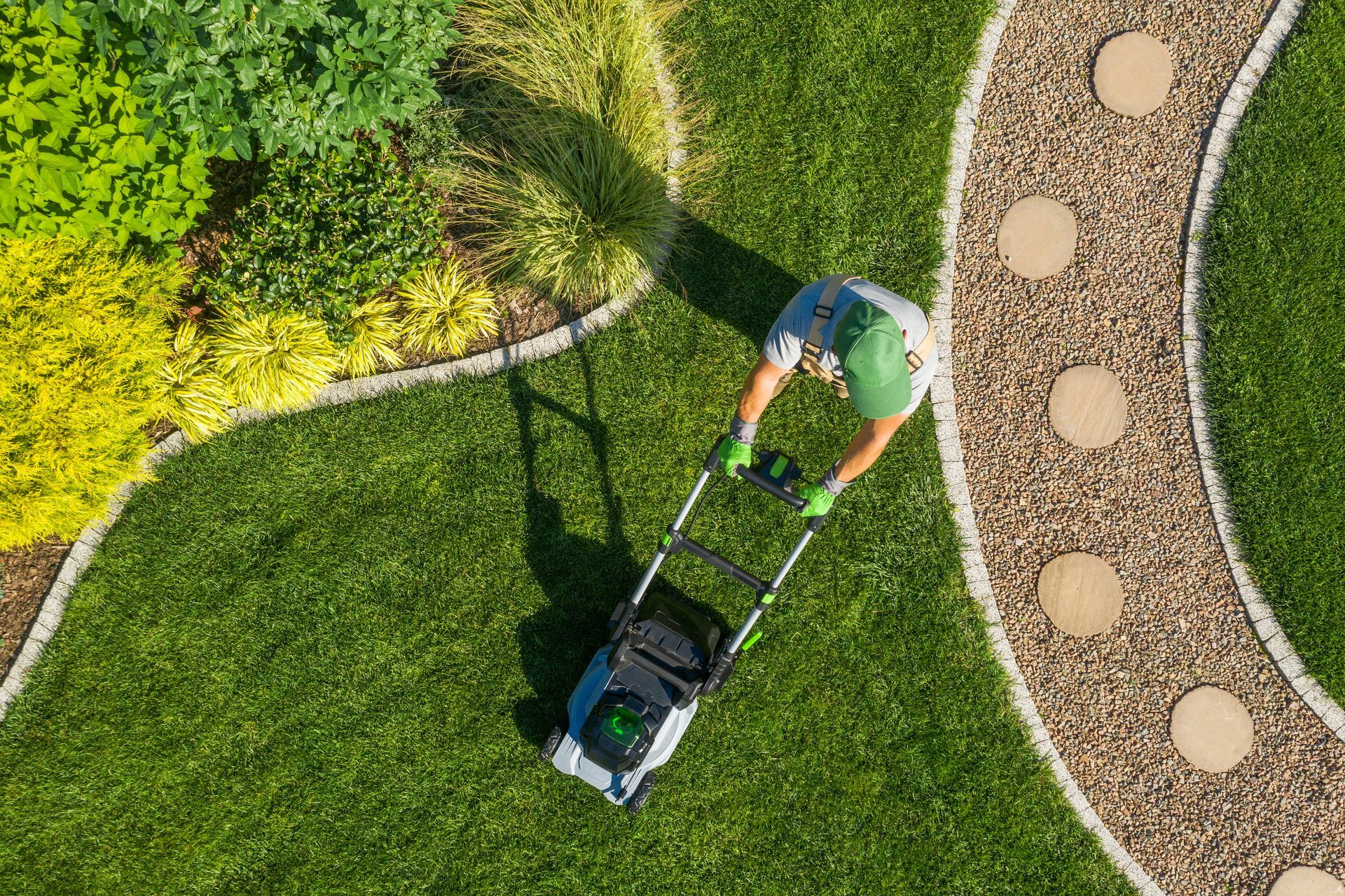
Mowing should begin when the grass is actively growing and the lawn is dry enough to support the mower without leaving tracks or ruts. In most cases, that means waiting until the grass reaches a healthy height and the ground is no longer soft from snowmelt and early spring rain.
Starting too early can stress the lawn. Grass that is just waking up needs time to grow, root, and recover from winter. A mower on wet turf can tear grass, compact the soil, and leave uneven results.
For the first mow of the season, avoid cutting too short. Cutting too much off at once shocks the lawn and weakens the root system. A better approach is to ease into the mowing season and keep the grass at a healthy height as growth picks up.
In general, a lawn mowed at the right height grows thicker, shades out weeds better, and handles stress more effectively.
Get Your Mower and Tools Ready Before Peak Growth
Lawn care goes better when your equipment is ready before the season gets busy. Before regular mowing starts, inspect the mower and basic yard tools.
A simple mower tune-up may include:
- Sharpening the blade
- Checking the oil
- Replacing the air filter if needed
- Inspecting the spark plug
- Cleaning out old grass buildup
Sharp blades matter because they cut grass cleanly. Dull blades tear the grass, which can leave the lawn looking ragged and make it more vulnerable to stress.
This is also a good time to check trimmers, pruners, rakes, and other cleanup tools. Small prep work now can help prevent delays later when the lawn is growing fast.
When to Fertilize Your Poughkeepsie Lawn
Fertilizer timing matters more than many people realize. A common mistake is putting fertilizer down too early in spring before the lawn is fully active. That can push weak top growth at the wrong time and may even help weeds more than the lawn.
A better plan is to wait until the grass is clearly greening up and growing. The lawn should look active, not half asleep from winter. When timing is right, fertilizer can support stronger growth and better color without putting unnecessary stress on the turf.
It also helps to remember that more is not always better. Over-fertilizing can create problems, especially if the lawn already faces drainage issues, compaction, or heat stress later in the year. Good lawn care is about balance.
Late Spring Lawn Care
Late spring is when the lawn starts growing more aggressively. This is the time to stay consistent with mowing and pay attention to signs of stress or uneven growth.
Look for:
- Patchy or thin areas
- Weeds spreading into weak turf
- Soil that feels hard or compacted
- Areas where water sits too long
- Spots damaged by pets or traffic
If the lawn is compacted or thin, this may be the time to consider lawn aeration, overseeding, or patch repair. These steps can help improve root growth and fill in weak areas before summer stress arrives.
Late spring is also a good time to refresh mulch in flower beds and improve soil where needed. Clean, healthy beds support the overall appearance of the property and help frame the lawn.
Summer Lawn Care in Poughkeepsie
Summer lawn care is about protecting the grass, not pushing it too hard. Hot weather and dry spells can stress cool-season grass, especially in full sun or on shallow soil.
During summer, keep mowing consistent but avoid cutting the lawn too short. Taller grass holds moisture better and protects the roots from heat. If growth slows during dry weather, do not force the lawn into a tight mowing schedule just because it is summer.
This is also the time to be careful with treatments. A stressed lawn may not respond well to aggressive work. Focus on keeping the turf stable, watching for problem areas, and avoiding extra damage from heavy traffic or overcutting.
A lawn that looks a little slower in summer is not always failing. In many cases, it is simply reacting to heat the way cool-season grass normally does.
Fall Lawn Care and Cleanup in the Hudson Valley
Fall is one of the most important seasons for lawn care in Poughkeepsie. Cool-season grass usually responds well to the cooler temperatures and more steady moisture of early fall. That makes it a strong season for recovery and repair.
This is the time to stay on top of leaf cleanup. A thick layer of leaves can block sunlight, trap moisture, and smother the grass underneath. Regular cleanup helps the lawn breathe and stay healthier heading into winter.
Fall is also a good time to handle lawn repair and reseeding. If the lawn has thin spots, damage from summer, or areas that never filled in during spring, fall often gives you a better chance to improve them.
The goal in fall is to reset the lawn before winter, not let problems sit until next year.
A Month-by-Month Lawn Care Rhythm for Poughkeepsie Homeowners
| Month | Mowing | Fertilizing | Cleanup & Other Tasks |
|---|---|---|---|
| January | No | No | Monitor for snow/ice damage; avoid walking on frozen turf |
| February | No | No | Inspect tools and equipment; plan spring schedule |
| March | No | No | Yard inspection; clear winter debris once ground firms up |
| April | Begin when grass reaches 2–3" and ground is firm | No | Light raking, thatch check, prune shrubs, redefine bed edges |
| May | Regular mowing begins; keep height at 3–3.5" | Yes, once lawn is actively growing | Aeration/overseeding if needed; refresh mulch; check drainage |
| June | Consistent mowing; raise height slightly | No | Watch for compaction and thin spots; edge beds |
| July | Mow as needed; avoid cutting too short | No | Protect turf from heat stress; limit heavy traffic on lawn |
| August | Mow as needed; keep grass taller to retain moisture | No | Monitor for dry or damaged areas; plan fall repair work |
| September | Continue regular mowing | Yes, strong window for fall fertilizer | Overseed thin or bare spots; aerate if compacted |
| October | Mow until growth stops | Yes, second fall application if needed | Stay ahead of leaf cleanup; repair damaged areas |
| November | Final mow before ground freezes | No | Heavy leaf cleanup; clear downspouts and drainage paths |
| December | No | No | Rest season; avoid unnecessary foot traffic on dormant turf |
A simple lawn care rhythm can make the year easier to manage.In early spring, focus on inspection, cleanup, and waiting for the ground to dry. Remove debris, trim damaged growth, and watch for drainage issues.
In mid to late spring, begin mowing when the lawn is ready, clean up beds, repair weak spots, and consider fertilizer once growth is active.
In summer, keep mowing steady, avoid scalping the lawn, and protect turf during hot and dry periods.
In fall, stay ahead of leaf cleanup, repair thin areas, and get the lawn into better shape before winter returns.
This kind of rhythm keeps the work seasonal and practical.
When DIY Lawn Care Makes Sense and When to Call a Pro
Many lawn care tasks are realistic for homeowners. Basic cleanup, mowing, light pruning, and bed maintenance are often manageable with the right tools and timing.
At the same time, some problems are harder to solve without help. Large drainage issues, major compaction, widespread patch damage, or properties with heavy seasonal debris may take more time and labor than most homeowners want to handle on their own.
Professional help can also make sense when the lawn needs a full seasonal reset instead of one small fix. Blue Collar's landscaping services are built for exactly these situations, when the job has grown beyond routine maintenance. The key is knowing when the job is simple maintenance and when it has turned into a larger property care issue.
Keep Your Poughkeepsie Lawn Healthier All Year
The best lawn care calendar for Poughkeepsie is built around timing, consistency, and local conditions. Mow when the grass is ready, not just because the weather feels warmer. Fertilize when the lawn is actively growing, not too early. Clean up seasonally so leaves, debris, and weak turf do not build into larger problems.
A healthier lawn usually comes from steady, well-timed care, not from rushing through every task at once. In the Hudson Valley, that approach gives cool-season grass the best chance to grow thicker, greener, and stronger across the full year.
Frequently Asked Questions
What month should I start mowing my lawn in Poughkeepsie?
There's no fixed date, it depends on your lawn, not the month. In the Hudson Valley, most cool-season lawns are ready for their first cut sometime in April, but only once the grass is actively growing and the ground is firm enough that the mower won't leave ruts. Waiting a few extra days is almost always better than mowing too early on soft spring soil.
How many times should I fertilize my lawn in Poughkeepsie throughout the year?
For most cool-season lawns in the Hudson Valley, two to three fertilizer applications per year is a reasonable approach, once in late spring after the lawn is actively growing, and once or twice in fall when cool-season grass is at its strongest. Avoid fertilizing in summer heat or early spring before the lawn has woken up.
Is fall or spring better for overseeding a patchy lawn in Poughkeepsie?
Fall is generally the better season for overseeding cool-season grass in the Hudson Valley. Soil temperatures are still warm enough for germination, air temperatures are cooling down, and there's less competition from weeds than in spring. That said, spring overseeding can still work if it's paired with good soil prep and consistent watering.
How short should I cut my grass during the summer?
Keep it on the taller side during summer, generally around 3 to 3.5 inches for cool-season grass. Taller grass shades the soil, retains moisture better, and develops deeper roots that handle heat and dry spells more effectively. Cutting too short in summer is one of the most common ways homeowners stress their lawn without realizing it.
When should I schedule a professional fall yard cleanup in Poughkeepsie?
The best window is typically late October through mid-November, after most leaves have fallen but before the ground freezes. Scheduling early helps ensure availability, especially since fall is one of the busiest times for local lawn care companies in the Hudson Valley.
Recent Posts