When to Trim Bushes and Shrubs in Poughkeepsie (Hudson Valley Homeowner Guide)
March 16, 2026
Call Or Text

The best time for bush trimming in Poughkeepsie depends on the type of shrub, when it blooms, and the time of year. In most cases, spring-flowering shrubs should be trimmed right after they bloom, while many summer-flowering shrubs can be pruned in late winter or early spring. Blue Collar Exterior Improvements is qualified to write about this because the company works on local Hudson Valley properties and handles hands-on outdoor services like yard cleanup, bush trimming, and landscape maintenance. That local experience matters because shrubs in Poughkeepsie deal with real conditions like wet spring soil, summer heat, deer pressure, storm damage, and fast seasonal growth.
Why Timing Matters When Trimming Bushes and Shrubs
Bush trimming is not just about making shrubs look neat. The timing affects plant health, shape, growth, and flowering. If you prune at the wrong time, you can remove flower buds, slow growth, or stress the plant when it should be recovering or blooming.
That is especially true in the Hudson Valley. Poughkeepsie shrubs go through cold winters, wet springs, hot summer stretches, and shifting fall weather. Because of that, the best pruning schedule is usually based on the season and the type of shrub, not just when the yard starts to look overgrown.
Start by Identifying the Type of Shrub You Have
Before trimming anything, figure out what kind of shrub you are working with. Some shrubs are grown for flowers. Others are shaped as hedges. Some are ornamental bushes that need only light pruning to stay healthy.
This matters because different shrubs grow and bloom in different ways. Spring-blooming shrubs often form buds on old wood, which means next season's flowers may already be on the plant before you trim. Summer-blooming shrubs often flower on new wood, which means they can usually handle pruning earlier in the season.
If you treat every shrub the same, you are more likely to cut at the wrong time and lose blooms.
Understand How Your Poughkeepsie Yard Affects Shrub Growth
Your yard also affects when and how shrubs should be trimmed. A shrub in full sun may grow faster than one in shade. A plant in a wet low spot may stay stressed longer in spring. A windy area may lead to broken branches. A property with deer activity may have uneven damage that needs cleanup before real shaping begins.
Soil and drainage also matter. If the ground stays wet too long, it may be better to wait before doing major work around the base of the plant. If a shrub is already stressed by poor drainage or compacted soil, hard pruning may make recovery slower.
Local site conditions often explain why one shrub looks fine while another on the same property struggles.
What to Remove When Trimming Bushes and Shrubs
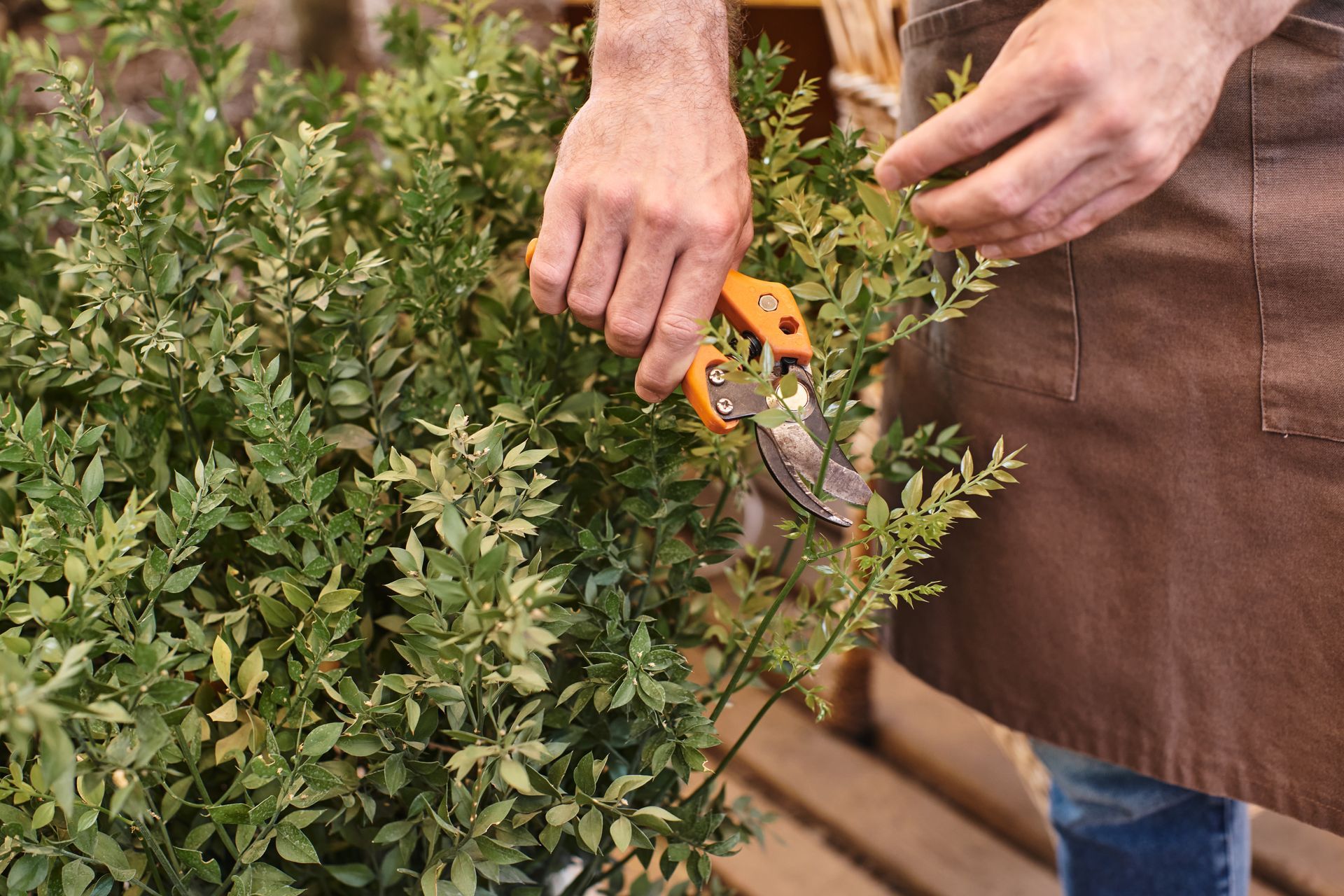
No matter what kind of shrub you have, there are a few things that are almost always safe to remove first. Start with dead, damaged, or diseased branches. These do not help the plant and can make it look thin or unhealthy.
Next, look for weak growth, suckers, and water sprouts. These often grow fast but do not improve the shrub's shape or strength. You should also remove crossing or rubbing branches. When branches press against each other, they can damage bark and reduce airflow through the plant.
This first cleanup step makes the shrub healthier and lets you see its natural shape before making larger cuts.
When to Trim Spring-Flowering Shrubs
Spring-flowering shrubs should usually be pruned right after they finish blooming. That is the safest time because the flowers are done, but the plant still has time to grow and set buds for next year.
If you trim these shrubs too early, especially in late winter or early spring, you may cut off the buds before they open. That can leave the plant healthy enough, but with very few flowers. Many homeowners think the shrub failed, when really the blooms were removed during pruning.
This is one of the biggest mistakes in shrub trimming. If a bush flowers early in the season, it is usually smart to wait until the bloom cycle is over before shaping it.
When to Trim Summer-Flowering Shrubs
Many summer-flowering shrubs can be trimmed in late winter or early spring, before strong new growth begins. These plants often bloom on new wood, so pruning at that time can support fresh growth and a fuller shape later in the season.
This timing can also make the plant easier to work with. Without heavy leaves in the way, it is easier to see the branch structure and remove weak or crowded growth.
Even with these shrubs, it is better to trim with a purpose. Focus on plant health, good airflow, and shape. Do not assume a hard cut is always better. In many cases, selective pruning gives a cleaner and more natural result.
When Winter Pruning Makes Sense
Dormant-season pruning can work well for many shrubs, especially when the goal is to remove deadwood, improve structure, or reduce overgrowth before spring starts. In winter, the plant is not pushing active growth, so many shrubs handle basic corrective pruning well.
There are also practical benefits. You can often see the branch structure more clearly when leaves are gone. That makes it easier to spot damaged limbs, crossing branches, and crowded areas.
Winter pruning is not right for every shrub, but for the right plant, it can be one of the easiest times to do clean, careful work.
When to Avoid Trimming Bushes and Shrubs
There are times when trimming can do more harm than good. Fall is one of them. Heavy pruning in fall can push soft new growth that does not have time to harden off before winter. That fresh growth can then be damaged by cold weather.
It is also smart to avoid major trimming during extreme heat, drought stress, or active pest problems. A shrub that is already under pressure may struggle more after hard pruning. In those cases, it is better to focus on light cleanup and wait for a healthier window.
Timing is not just about what is convenient. It is about what the plant can handle.
Hedge Trimming vs. Shrub Pruning
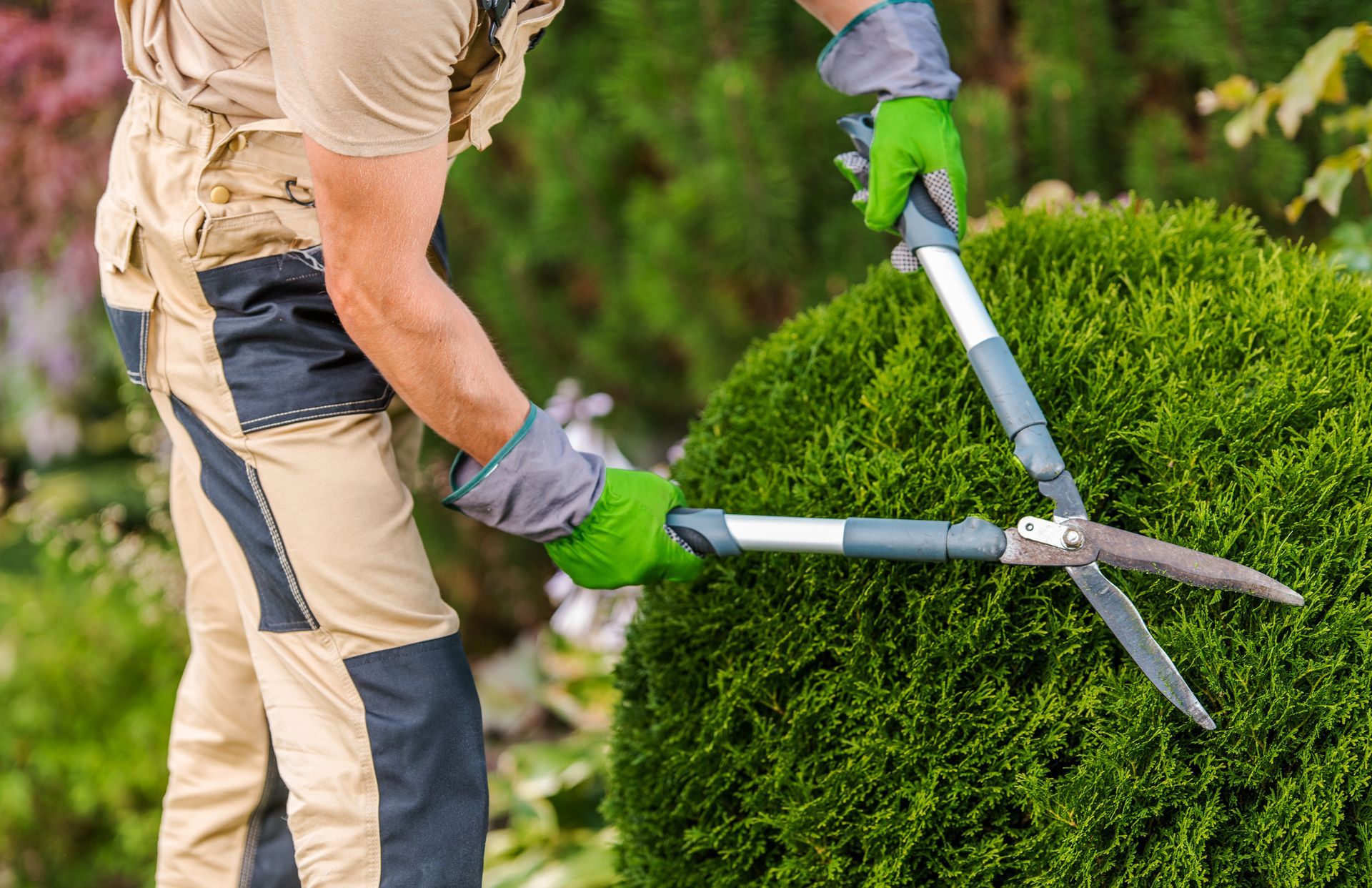
Hedges and shrubs are not always trimmed the same way. A formal hedge usually needs shaping to keep a clean outline and consistent size. A natural shrub often looks and performs better with selective pruning that follows the plant's natural form.
This is where many homeowners go wrong. They shear every bush the same way and end up with plants that look too tight on the outside and too dense inside. That can reduce airflow and sunlight in the middle of the shrub.
A hedge may need regular shaping. A flowering or ornamental shrub often needs smarter cuts, not just more cuts.
How to Trim for Health, Shape, and Better Growth
The goal of pruning should be to help the plant, not just shrink it. Good trimming opens up dense growth so light and air can move through the shrub. That can support stronger structure and reduce some health issues.
It also helps to control size in a natural way. Instead of cutting straight across the outer edge every time, remove selected branches deeper in the plant where needed. This helps avoid the boxed-in look that many overtrimmed shrubs develop.
Selective pruning often gives better long-term results than constant shearing. The shrub keeps a more natural shape and usually stays healthier over time.
Choosing the Right Shrubs for Lower-Maintenance Care
Some shrubs naturally need less pruning than others. That matters if you want a yard that looks good without constant trimming. Choosing shrubs that fit your space, sunlight, soil, and maintenance goals can save a lot of work later.
A shrub that outgrows its spot every year will always be more work. A shrub matched to the site usually needs only light seasonal care. That is one reason plant choice matters just as much as pruning technique. A landscape design plan that accounts for mature shrub size from the start can eliminate a lot of this ongoing maintenance.
Lower-maintenance landscapes often start with better plant selection, not more trimming.
Common Bush Trimming Mistakes Poughkeepsie Homeowners Should Avoid
One common mistake is trimming at the wrong time of year. Another is cutting too much at once. A third is treating every shrub the same, no matter how it blooms or where it is planted.
Homeowners also run into trouble when they shape a shrub without first removing dead or damaged wood. That can hide problems inside the plant and lead to weaker structure later.
A better approach is simple: know the type of shrub, remove unhealthy growth first, and prune based on season and purpose.
A Simple Seasonal Bush Trimming Plan for Hudson Valley Homes
| Season | Timing | Best For | What to Avoid |
|---|---|---|---|
| Late Winter | February–March, before new growth | Summer-flowering shrubs; structural cleanup; deadwood removal | Pruning spring-bloomers, buds are already set |
| Spring (after bloom) | Once spring flowers fade | Spring-flowering shrubs; light shaping; bed cleanup | Cutting before bloom cycle ends, you'll lose this year's flowers |
| Summer | June–August, growing season | Light touch-up only; removing clearly dead or broken stems | Heavy pruning, plants are under heat and growth stress |
| Fall | September–November | Removing storm-damaged or diseased branches only | Any major shaping, new growth won't harden before winter cold |
| Winter (dormant) | December–January | Structural pruning; improving branch framework; removing crossing limbs | Spring-bloomers and any shrub not fully dormant |
A practical shrub care plan starts in late winter or early spring with inspection. Remove dead, broken, or rubbing branches and note which plants bloom in spring versus summer.
After spring-flowering shrubs bloom, trim them as needed for size and shape. In early spring, trim suitable summer-flowering shrubs before growth takes off. During the growing season, stick to light cleanup only if needed.
In fall, avoid major pruning unless you are only removing damaged material. This kind of seasonal plan protects plant health and makes bush trimming in Poughkeepsie much more effective.
When to Call a Professional for Bush and Shrub Trimming
Some shrubs are simple to manage. Others are overgrown, planted in hard-to-reach areas, or have been trimmed the wrong way for years. Those jobs are often harder to fix than homeowners expect.
Professional help may make sense when shrubs are too tall, too dense, losing shape, or showing signs of stress. It can also help when you are not sure what kind of shrub you have or when it should be pruned.
Corrective pruning is usually more than a quick haircut. It takes timing, judgment, and a plan.
Keep Your Poughkeepsie Shrubs Healthier With Better Timing
Better shrub care starts with better timing. In Poughkeepsie, that means trimming based on bloom cycle, season, and plant condition instead of cutting everything at once. Remove dead and damaged wood first, shape plants carefully, and avoid pruning when the shrub is already stressed.
When bush trimming is done at the right time, shrubs usually look better, stay healthier, and flower more reliably. For Hudson Valley homeowners, that makes timing one of the most important parts of good shrub care.
Frequently Asked Questions
What is the best time of year to trim bushes and shrubs in Poughkeepsie?
It depends on the type of shrub. Spring-flowering shrubs should be trimmed right after they finish blooming, typically in late spring. Summer-flowering shrubs can usually be pruned in late winter or early spring before new growth begins. Dormant-season pruning in winter also works well for removing deadwood and improving structure on many shrubs. The worst time for major trimming is fall, when new growth triggered by pruning may not harden off before winter cold arrives.
Can I trim my bushes in the fall in the Hudson Valley?
It's best to avoid heavy pruning in fall. Cutting back shrubs late in the season can stimulate soft new growth that has no time to toughen up before freezing temperatures arrive, leaving the plant more vulnerable to winter damage. Light cleanup, removing clearly dead or broken branches, is generally fine, but save major shaping for spring or after blooming.
How do I know if a shrub blooms on old wood or new wood?
A simple rule of thumb: if your shrub flowers in spring, it likely blooms on old wood set the previous year, so prune it right after flowering. If it blooms in summer or later, it probably flowers on new wood produced in the current season, making late winter or early spring the right window for pruning. When in doubt, observe one full bloom cycle before making major cuts.
How much can I safely cut off a shrub at one time?
A general guideline is to avoid removing more than one-third of the plant's growth in a single session. Taking too much at once stresses the shrub and can disrupt its ability to recover, especially if it is already dealing with heat, drought, or poor soil conditions. For overgrown shrubs that need significant reshaping, spreading the work across two or three seasons usually produces healthier results.
How often do bushes and shrubs in Poughkeepsie typically need trimming?
Most shrubs in the Hudson Valley need meaningful pruning once a year, timed to their bloom cycle and the season. Formal hedges may need shaping two or three times a season to maintain a clean outline. Ornamental and flowering shrubs generally do better with one well-timed annual pruning plus light touch-ups as needed, rather than frequent heavy cuts throughout the year.
Recent Posts