Yard Cleanup After a Storm: Safety, Debris Removal, and When to Call a Pro in Poughkeepsie
March 4, 2026
Call Or Text

After a storm, your yard can look "mostly fine" until you step outside and notice sharp branches, slippery leaves, and random debris everywhere. At Blue Collar Exterior Improvements, we handle post-storm yard cleanup and haul-away work across Poughkeepsie and the Hudson Valley. That hands-on experience is why this guide focuses on what's actually safe and practical,how to spot hazards, remove debris efficiently, and decide when it's smarter to call for professional storm debris removal.
Storm Cleanup in Poughkeepsie: What "Yard Cleanup" Really Includes
Typical goals after a storm: safety, access, curb appeal, preventing bigger damage
A good yard cleanup after storm damage has one big purpose: make the property safe and stable again. That usually means clearing walking paths, removing anything that could injure someone, and preventing water from backing up where it shouldn't.
Once safety is handled, you're aiming for:
- Access: driveways, entry doors, steps, basement doors
- Prevention: keep wet debris from smothering the lawn or blocking drainage
- Curb appeal: not perfection, just "clean and controlled" so the yard doesn't get worse
Common storm-related yard cleanup projects (branches, scattered debris, clogged areas, overgrowth)
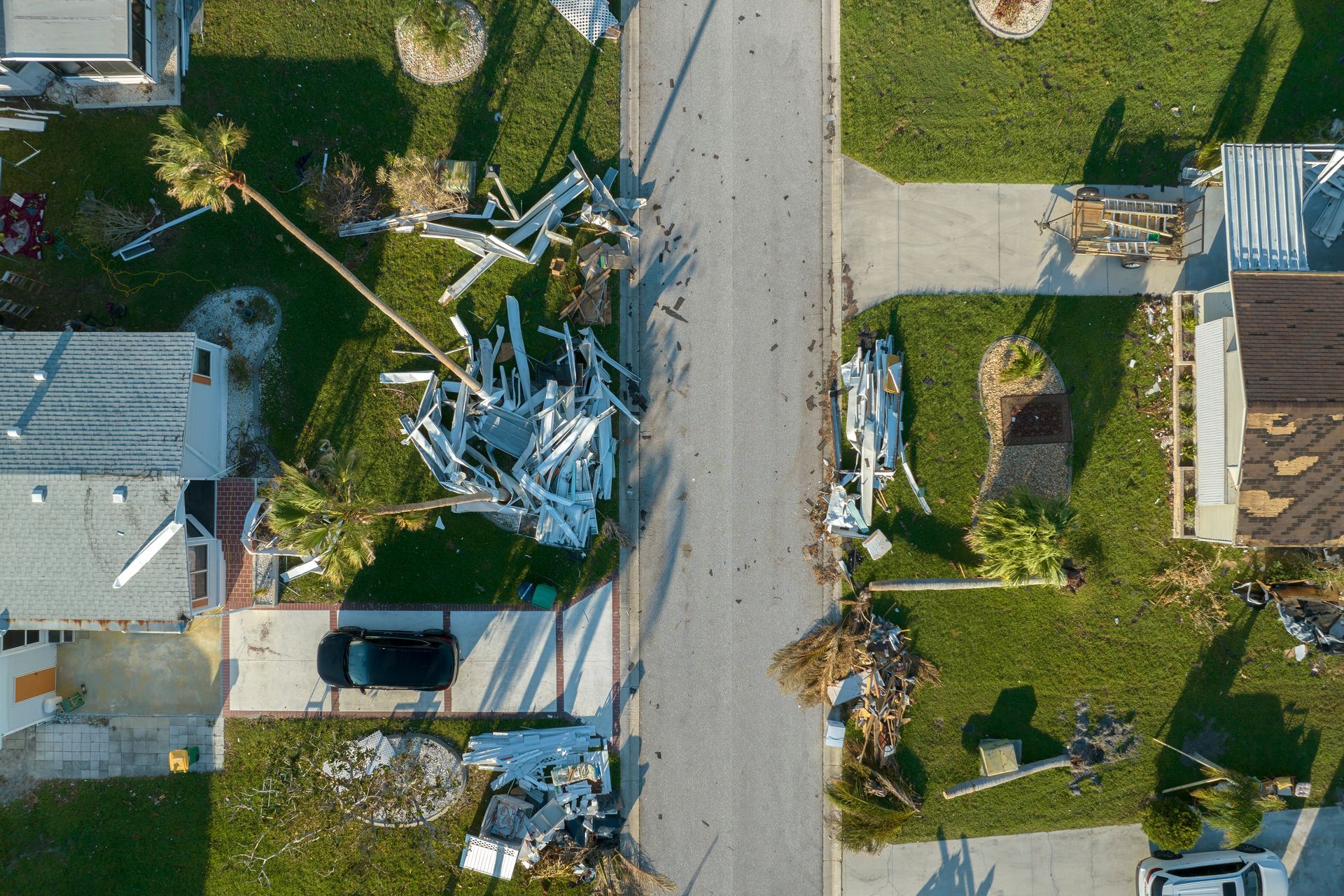
In Poughkeepsie storms, the mess is often a mix of natural yard debris and "blown-in" junk. Most homeowners deal with:
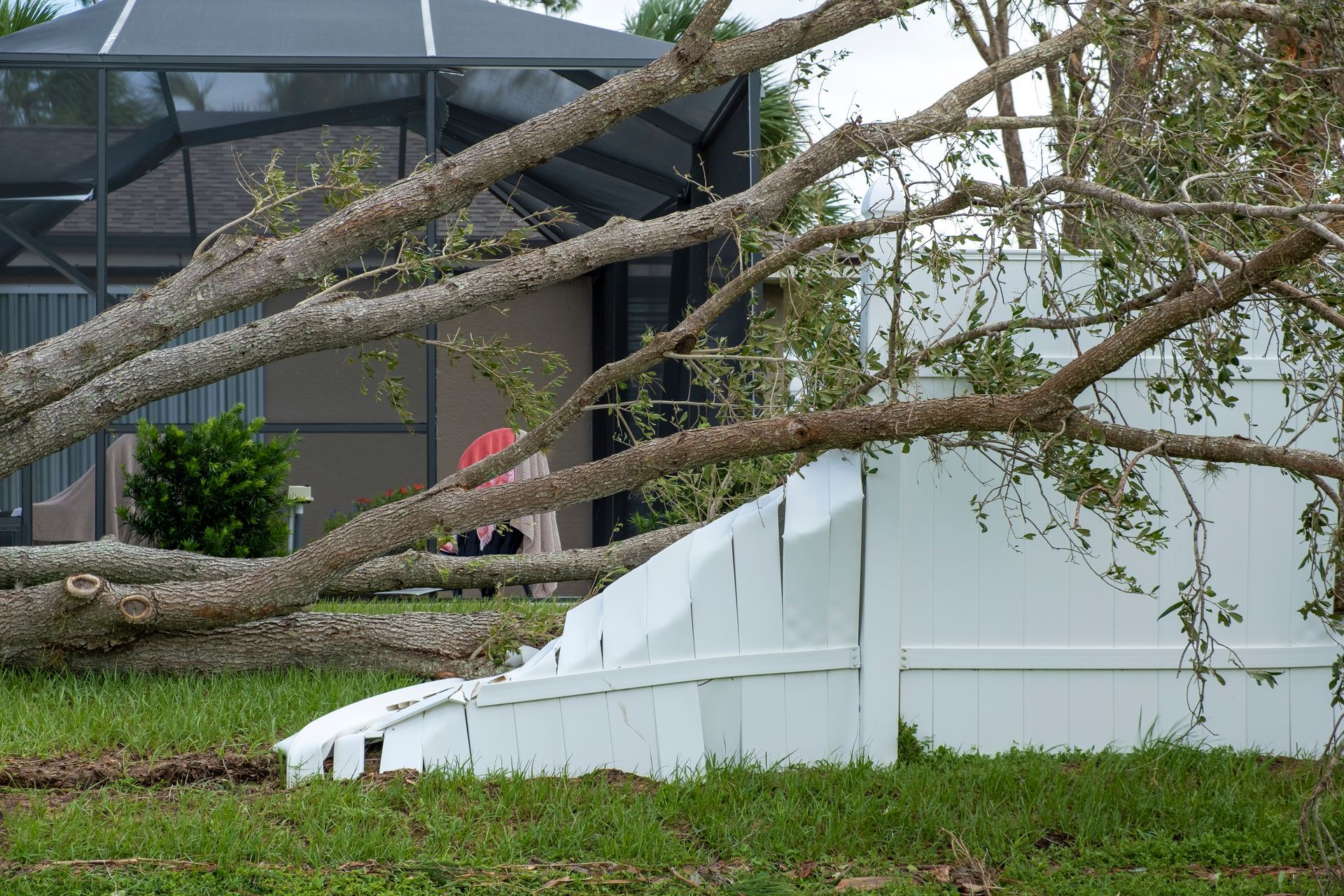
- Fallen branches and downed tree limbs
- Brush piles, sticks, and twigs scattered across the lawn
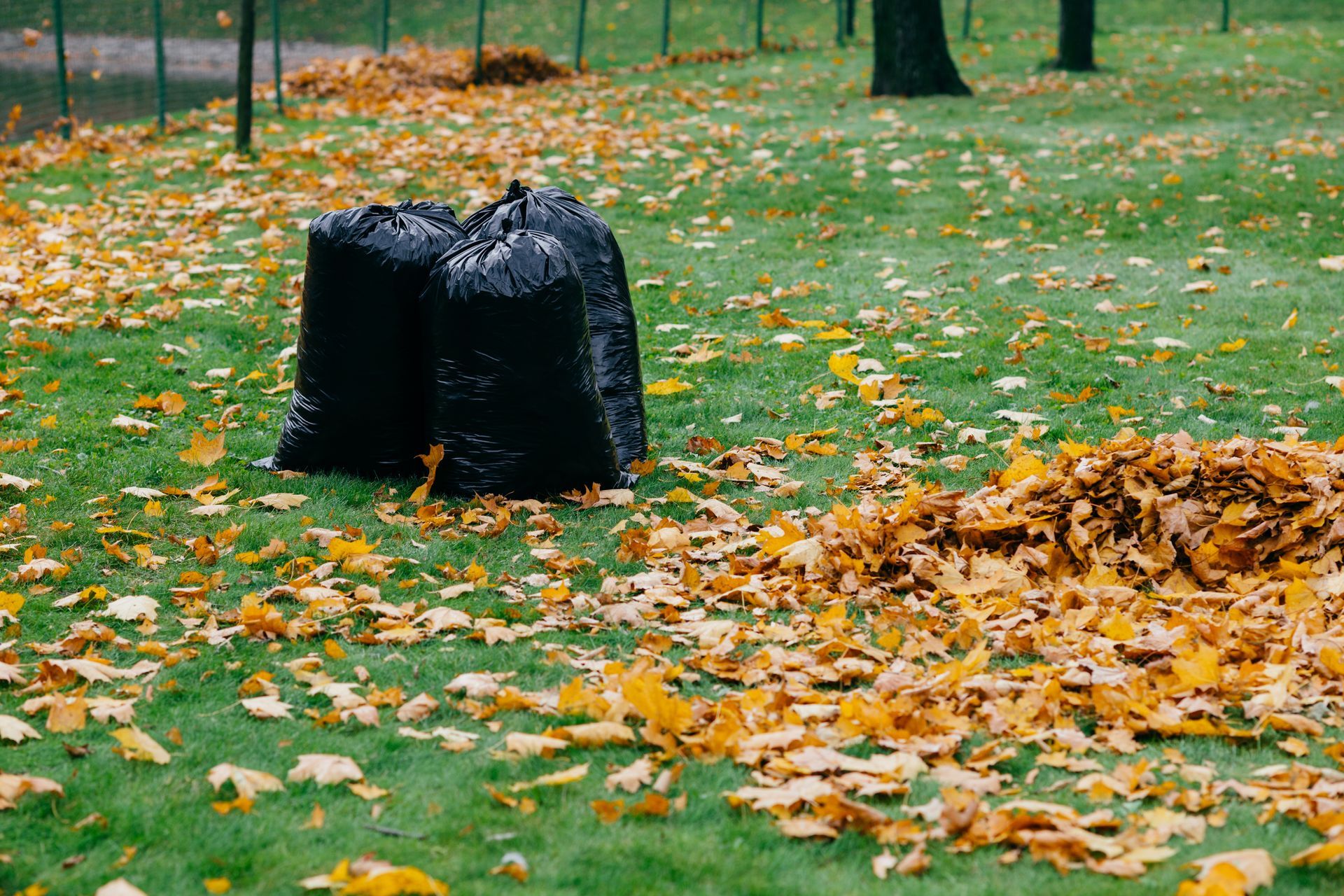
- Leaves packed into corners that turn into wet mats
- Trash blown into shrubs or along fences
- Tipped planters, broken outdoor items
- Clogged drainage paths and downspout exits
Some situations also lead to light bush trimming if branches snapped and left jagged breaks.
Safety First: What to Check Before You Start Moving Anything
High-risk hazards to avoid (downed lines, leaning limbs, unstable trees, sharp/hidden debris)
Before you pick up a single branch, do a slow lap around the property. Storm hazards hide under leaves and behind shrubs. The biggest red flags are:
- Downed or sagging lines (or anything that might be a line)
- Hanging limbs ("hangers") caught above head height
- Split trunks or trees leaning in a new direction
- Limbs under tension (bent branches that can snap back when moved)
- Sharp or hidden debris like splintered wood, nails, glass, or metal
If something looks risky, treat it like it is. You can always remove small debris later. You can't undo a serious injury.
PPE and tools that reduce injuries (gloves, eye protection, boots, saw safety basics)
The right gear makes storm cleanup much safer. You don't need fancy equipment, but you do need basic protection:
- Thick work gloves (not thin garden gloves)
- Safety glasses
- Boots with grip (wet grass is slick)
- Long sleeves and pants
Helpful tools that reduce strain:
- Leaf rake and garden rake (to uncover hidden hazards)
- Tarp (to drag brush without carrying it)
- Loppers for small branches (cleaner than snapping by hand)
If you're considering a chainsaw, be honest about your comfort level. Storm wood is often twisted, wet, and unstable, more dangerous than normal cutting.
When "don't touch it" is the right call (utility involvement, trees on structures, major hangers)
There are situations where the safest move is not doing it yourself:
- Debris touching or near utility lines
- A tree or large limb on a roof, vehicle, fence, or shed
- Heavy hangers overhead
- Large branches pinned or bent under pressure
Those cases are where a pro should handle the cut, the rigging, and the haul-away. Contact us if you're unsure, we'd rather help you assess it than have someone get hurt.
Quick Property Walkthrough: Triage Your Cleanup
Prioritize access areas (driveway, walkways, doors, steps)
Start by clearing the routes you must use. This makes everything else easier, and it reduces the chance of slipping while carrying debris.
Focus on:
- Front steps and entry
- Main walkway
- Driveway and parking area
- Side gates and basement doors
If you're short on time, "safe paths first" is the best minimum standard.
Identify drainage and water-flow issues caused by debris buildup
Storm debris loves to clog the exact spots where water needs to move. Check:
- Downspout exits
- Low spots in the lawn
- Drain grates
- Swales or shallow channels along the side yard
Even a small pile of leaves can redirect water and cause mud, pooling, and erosion, especially near the foundation. This is one of the drainage issues we cover in our seasonal yard cleanup guide for the Hudson Valley.
Spot damage that should be documented before removal (fences, sheds, landscaping features)
Take quick photos of obvious damage before you clear large items. It helps you remember what happened and can be useful for repairs later. Look at:
- Fence lines and gates
- Shed corners and roof edges
- Crushed beds or broken edging
- Any hardscape shifts (pavers, steps)
Debris Removal Game Plan: Sort It So It Goes Faster
Separate by material type (branches/brush, bagged yard waste, mixed junk, construction-like debris)
Sorting makes cleanup smoother and helps with debris hauling and disposal. Storm piles are usually a mix of materials, and not everything gets handled the same way.
A simple sorting approach:
- Brush / limbs:
branches, sticks, brush
- Yard waste:
leaves, grass clippings, garden waste
- Mixed junk:
broken outdoor items, scrap, scattered trash
- Construction-like debris: boards, metal pieces, shingles (if applicable)
What can usually be hauled away vs what needs special handling
Most hauling companies can remove common yard debris, but some items need extra care:
- Clean brush and leaf piles are usually straightforward
- Mixed loads take longer because they require sorting
- Anything that looks hazardous (chemical containers, unknown liquids) should be kept separate
Staging piles for easy pickup (curbside vs driveway vs backyard carry-outs)
Where you stage the debris can reduce labor and speed up removal:
- Curbside pickup:
best when you can safely move debris to the curb and keep it neat
- Driveway pickup:
great for fast truck access without blocking sidewalks
- Backyard carry-outs: slowest and most labor-heavy, better for full-service removal
| Debris Type | Best Way to Stage It | Notes |
|---|---|---|
| Brush / branches | Long, neat pile | Keep ends aligned to save space |
| Bagged yard waste | Stacked bags | Don't overstuff, bags split when wet |
| Loose leaves | Tarp or bag | Wet leaf mats are heavy, break into smaller loads |
| Mixed junk | Separate corner | Keeps yard waste piles clean |
| Heavy limbs/logs | Close to driveway | Avoid dragging across lawn (ruts/compaction) |
Disposal Options in Poughkeepsie: Choose the Right Path for the Debris
Municipal/seasonal pickup considerations (timing, packaging, limits)
Local pickup can be convenient, but it often has limits, bundle size, bag requirements, and timing. If you plan to use municipal pickup:
- Keep brush piles neat and manageable
- Bag leaves if required
- Avoid mixing trash with yard waste
If rules are strict, you may end up with a pile that sits too long and turns into a soggy mess.
Drop-off options (yard waste sites, composting centers)
Drop-off can work well if you have a truck and time for trips. It's often a good choice for:
- Yard waste disposal
- Composting leaves and clean organics
- Brush removal loads that are too big for curb pickup
Responsible disposal choices (recycling, donation where applicable, landfill as last resort)
Storms sometimes break items that can be recycled (metal) or even donated where still usable. Mixed, dirty, or broken debris usually ends up as landfill. The main idea: keep clean yard waste clean, and keep mixed junk separate.
Full-Service vs Curbside: Debris Pickup Options That Fit Your Situation
Curbside/driveway pickup (faster, less labor, good for staged piles)
Curbside or driveway pickup is a good fit when you can stage debris safely. It's usually faster because the crew loads from one main area instead of carrying from multiple spots.
Full-service haul-away (backyard carries, heavy lifting, tight access, mixed loads)
Full-service removal makes sense when debris is:
- Scattered across the yard
- Too heavy for safe lifting
- Behind the home with long carry distances
- Mixed yard waste plus post-storm junk
It's also the right call when weather is still damp and your lawn is soft, too much dragging and hauling can create ruts that compound the cleanup job.
Bundling add-ons when storms leave more than yard waste
A storm cleanup often turns into "everything that broke outside." If you have broken patio furniture, damaged bins, or other outdoor junk, bundling removal reduces extra trips and clears the property faster.
Pricing Factors: What Typically Drives the Cost After a Storm
Volume, access, debris type, and urgency
Most removal pricing comes down to how much space your debris takes up and how heavy it is, wet leaves and waterlogged brush weigh a lot more than people expect. Access complexity, debris type, and how quickly you need service all factor in as well.
| Cost Driver | Why It Matters | How to Reduce It |
|---|---|---|
| Volume | More truck space | Compact brush, stack neatly |
| Weight | Wet debris is heavy | Separate wet leaves into smaller loads |
| Access | More labor time | Stage near driveway if safe |
| Mixed debris | Requires sorting | Keep yard waste separate from junk |
| Urgency | Limited openings after storms | Book early when possible |
How the Pickup Process Works (So There Are No Surprises)
Booking, scope confirmation, and removal day flow
Many hauling crews schedule by neighborhood to reduce travel time, you'll often get a time window plus a call-ahead when they're close. Before loading starts, confirm what's included:
- Yard waste only, or mixed loads too
- Any excluded items
- Where the debris is staged
- Whether the job includes a basic tidy-up of the pickup area
A smooth job usually includes a quick walkthrough, loading, and a sweep of the pickup area. It won't restore landscaping, but it should leave things cleaner than when they arrived.
Prep Tips That Make Cleanup Faster and Smoother
Grouping and clearly marking what goes vs what stays
If you're keeping firewood stacks, tools, or stored materials, make that clear:
- Put "take" debris in one clear area
- Place "keep" items well away from the pile
- Avoid mixing yard waste with household trash
Access planning and photos for quicker quoting
Make the job easier by keeping a parking spot open near the pile, unlocking gates if backyard access is needed, and keeping pets inside during loading. A few clear photos can also speed up quotes and help crews bring the right truck size, show the full pile from a few angles, close-ups of mixed debris types, and the carry path if not curbside.
When to Call a Pro in Poughkeepsie
Our landscaping team handles post-storm work regularly across the Hudson Valley. Here's when it makes sense to hand it off:
Safety triggers: If there's any question about lines, heavy hangers, or tensioned limbs, call a pro. That's not being overly cautious, it's being smart.
Scale triggers: If debris is spread everywhere or piles are large, hauling becomes a logistics problem. Pros can clear it faster, usually in fewer trips.
Time-and-effort triggers: No truck, no help for heavy lifting, or no way to handle disposal runs? The DIY plan can drag on for days. A haul-away service is often the simplest reset.
Wrap-Up: A Clean, Safe Yard and a Smarter Plan for the Next Storm
DIY is usually fine for light branches, leaves, and clearing safe paths, especially if nothing is overhead and nothing is near utilities. Outsource heavy limbs, risky cuts, mixed debris, and big pile removal.
If the yard is safe and the debris is manageable, sort it, stage it, and choose the best disposal route. If it's heavy, mixed, or risky, schedule a haul-away or request a quote. The best storm cleanup plan is simple: safety first, clear access, sort debris, then remove it the right way.
Want to reduce how much storm mess you're dealing with in the first place? Our seasonal yard cleanup approach helps keep your property in better shape year-round, so storms leave less behind.
Frequently Asked Questions
Is it safe to clean up yard debris myself after a storm?
Light work, raking leaves, picking up small branches, clearing walkways, is generally safe as long as there are no overhead hazards. The line is anything near utility lines, heavy hanging limbs, or large branches under tension. If you're unsure what you're looking at, don't touch it. A slow walkthrough before you start is the most important step.
How soon after a storm should I start cleanup?
As soon as it's safe to go outside, don't rush it. Wait until the wind has fully died down and you've done a hazard check. Wet debris left sitting too long can melt into the lawn, block drainage, and cause compaction or mold issues. For most homeowners, starting within 24–48 hours after a storm is a reasonable target.
What should I do with leaves and debris clogging my drainage areas?
Clear them as a first priority, even before curb appeal work. Blocked downspout exits, drain grates, and low spots can push water toward your foundation fast. Keep those paths clear, and check again after your next heavy rain to make sure nothing has re-accumulated.
Can I mix storm debris with regular yard waste for pickup?
Often, no, and it matters. Clean brush and leaves are usually handled separately from mixed debris that includes broken outdoor items, scrap, or anything construction-like. Mixing loads can complicate disposal and sometimes increase cost. Sort as you go and keep yard waste in its own pile.
When does storm cleanup cost more than a standard yard cleanup?
When debris is wet and heavy, spread across the full property, involves mixed materials, or requires backyard carry-outs instead of curbside loading. Same-day and next-day availability can also be tighter, and more expensive, right after a major storm when demand spikes. Staging debris neatly near the driveway is the single best thing you can do to keep costs reasonable.
Recent Posts