Seasonal Yard Cleanup in the Hudson Valley: What Pros Do That Homeowners Often Skip
March 4, 2026
Call Or Text

Seasonal yard cleanup isn't just about making your place look nice. It's about keeping the lawn healthy, protecting plants, and preventing problems like pests, mold, and drainage issues. At Blue Collar Exterior Improvements, we work on Hudson Valley properties through all four seasons, spring resets, summer maintenance, fall leaf management, and storm debris cleanup, so we see what actually works (and what usually gets missed). This guide gives you the same pro approach in plain language.
Why Hudson Valley Yards Need a Seasonal Strategy (Not a One-Time Cleanup)
The Hudson Valley "growth curve": fast spring/fall growth, slower midsummer, wet spells and leaf season
In the Hudson Valley, your yard changes fast. Spring brings a quick burst of growth. Fall brings leaves, rain, and cooler temps that help cool-season grass grow again. Summer can slow things down, especially during heat or dry spells. Add in storms, and yards can go from "fine" to "mess" overnight.
A seasonal plan works better than a single "big cleanup" because it:
- Stops problems before they spread
- Keeps turf from thinning out
- Prevents leaf mats and soggy spots
- Makes each season easier (and cheaper) to manage
Property factors that change everything: shade from mature trees, slopes, drainage, soil differences neighborhood-to-neighborhood
Two yards on the same street can need different care. Mature trees create shade and heavy leaf drop. Slopes push water where you don't want it. Clay-heavy areas hold water and compact easily. Sandy areas dry out faster. These details decide whether you should focus on soil compaction, drainage, pruning shrubs, or reseeding thin spots.
The Pro Mindset: Start With a Full Property Reset
Walk-the-property inspection (what to look for before you touch a rake)
Pros don't start with the rake. They start with a quick walkthrough. The goal is to find the issues that cause repeat mess or damage.
Look for:
- Downed limbs, hanging branches, or storm-risk branches
- Leaf piles stuck in corners, behind shrubs, and along fences
- Bare or thin turf, especially in shady spots
- Water pooling near the foundation or low areas
- Clogged drainage paths, downspouts, or gutter overflow signs
- Weeds spreading in beds or cracks
Clearing the surface so you can actually see damage, weak spots, and problem areas
Once loose debris is removed, the real yard shows up. You can spot ruts, broken edging, stressed grass, and bed damage. This is where homeowners often stop too early. But this is when the "fixing" starts.
Clear Out What Doesn't Belong (And Don't Create New Problems)
Debris removal that goes beyond "looks tidy" (hidden branches, compacted buildup, trash)
A true yard debris removal isn't just what you can see from the driveway. Check:
- Under evergreens and hedges (branches collect there)
- Along the property line (wind pushes debris to edges)
- Behind sheds, playsets, and patios
- In window wells, stairwells, and tight hardscape corners
When debris sits too long, it blocks sunlight and traps moisture. That can lead to mold and fungus, lawn disease, and weak grass.
Weed removal done correctly (why pros go after roots, not just the top growth)
A fast weed pull looks good for a week. Then it's back. Pros focus on root removal and timing:
- Pull after rain when the soil is softer
- Grab low and steady to pull roots
- Don't leave pulled weeds in piles (seeds can spread)
- Clean up clippings and loose stems, especially around beds
This matters most during spring yard cleanup, when weeds try to take over before turf fully fills in.
The Step Homeowners Skip Most: Fix Lawn Issues Before They Spread
Our landscaping services cover this kind of corrective work, not just surface-level tidying.
Compaction and thin turf (when aeration + overseeding matter most)
If your lawn feels hard, drains slowly, or looks thin, it may be compacted. Soil compaction blocks air, water, and nutrients from reaching roots. That's when core aeration can help.
A common pro combo is:
- Aerate lawn (pull small plugs to open the soil)
- Overseeding (add seed so thin spots fill in)
- Light topdressing in rough areas if needed
This is one of the biggest differences between a "cleanup" and real lawn care.
Patch repair basics: reseeding, topdressing, and timing so fixes actually take
Reseeding works best when you match timing to your yard:
- Spring can work, but weeds compete hard
- Early fall is often easier because temps are cooler and weeds slow down
For patch repair:
- Rake out dead grass and loosen soil
- Add seed (don't bury it deep)
- Lightly topdress to hold moisture
- Water consistently (not a flood, not a sprinkle once)
Why "waiting until it looks bad" costs more effort later
When you wait, small issues become big ones:
- Thin grass turns into bare soil
- Bare soil turns into weeds
- Weeds turn into a bigger cleanup and more work
Fixing early is faster and usually cheaper.
Prune, Trim, and Edge for Health, Not Just Appearance
Pruning priorities: dead/diseased limbs, storm-risk branches, overgrowth near the home
Trimming overgrowth isn't just for looks. It helps prevent storm damage and plant stress. Our bush trimming service handles exactly these situations. Focus on:
- Dead or rubbing branches
- Limbs hanging over roofs, walkways, and driveways
- Shrubs touching siding (can trap moisture and invite pests)
- Overgrown areas that block airflow (fungus risk)
If something is large, tangled, or near power lines, leave it to a pro.
Bed edging + crisp borders (the "finished" detail most DIY cleanups miss)
Garden bed edging makes everything look cleaner, but it also keeps mulch and soil where it belongs. Strong edging:
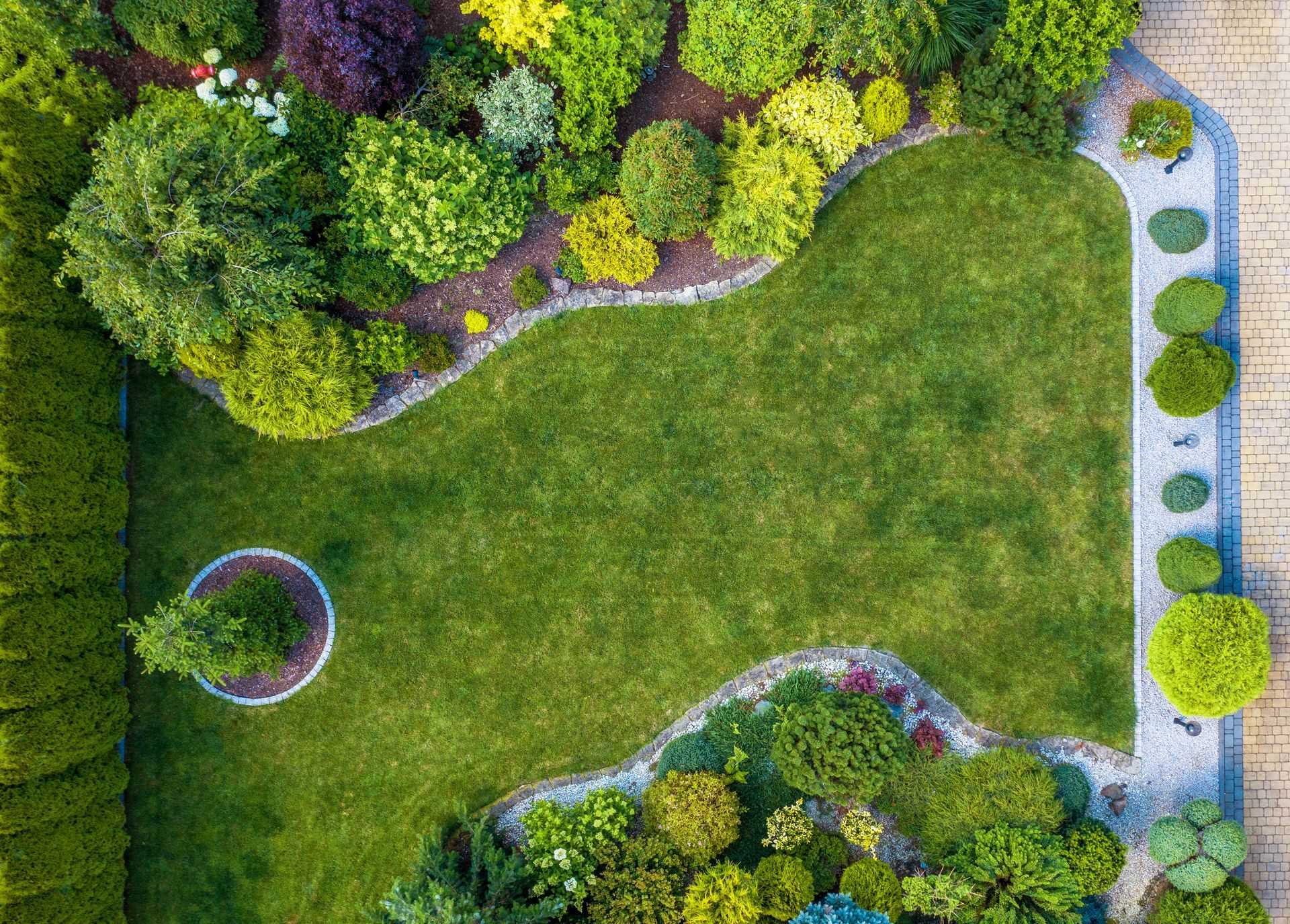
- Defines beds and lawn lines
- Reduces grass creep into beds
- Makes mowing and trimming faster
Cleanup after trimming so debris doesn't end up smothering turf or clogging edges
After trimming, don't leave a layer of clippings on the lawn. Heavy clippings can block sunlight and trap moisture. Rake or blow debris off turf, walkways, and hardscape so it doesn't wash into drains or beds.
Soil Protection: The Quiet Difference Between DIY and Pro Results
Mulch refresh (how pros avoid "mulch volcano" mistakes)
Mulch refresh is great, but keep it off plant stems and tree trunks. Piling mulch against a trunk can cause rot and invite pests. Spread mulch evenly and keep a small gap around the base.
Compost/organic matter for healthier soil structure
Healthy soil holds the right amount of water and supports deeper roots. Compost organic matter can improve soil health over time, especially in tired beds and thin lawn areas.
Quick soil checks that influence what you do next (pH, drainage, bare areas)
You don't need a lab to learn a lot. Check:
- Does water soak in or sit on top?
- Are there bare spots in the same places every year?
- Is moss showing up (often shade + moisture)?
- Is grass struggling near downspouts or low spots?
These clues tell you whether you need drainage fixes, reseeding, or changes in mowing height.
Leaf Season Done Right: What to Remove, What to Leave, and Where It Belongs
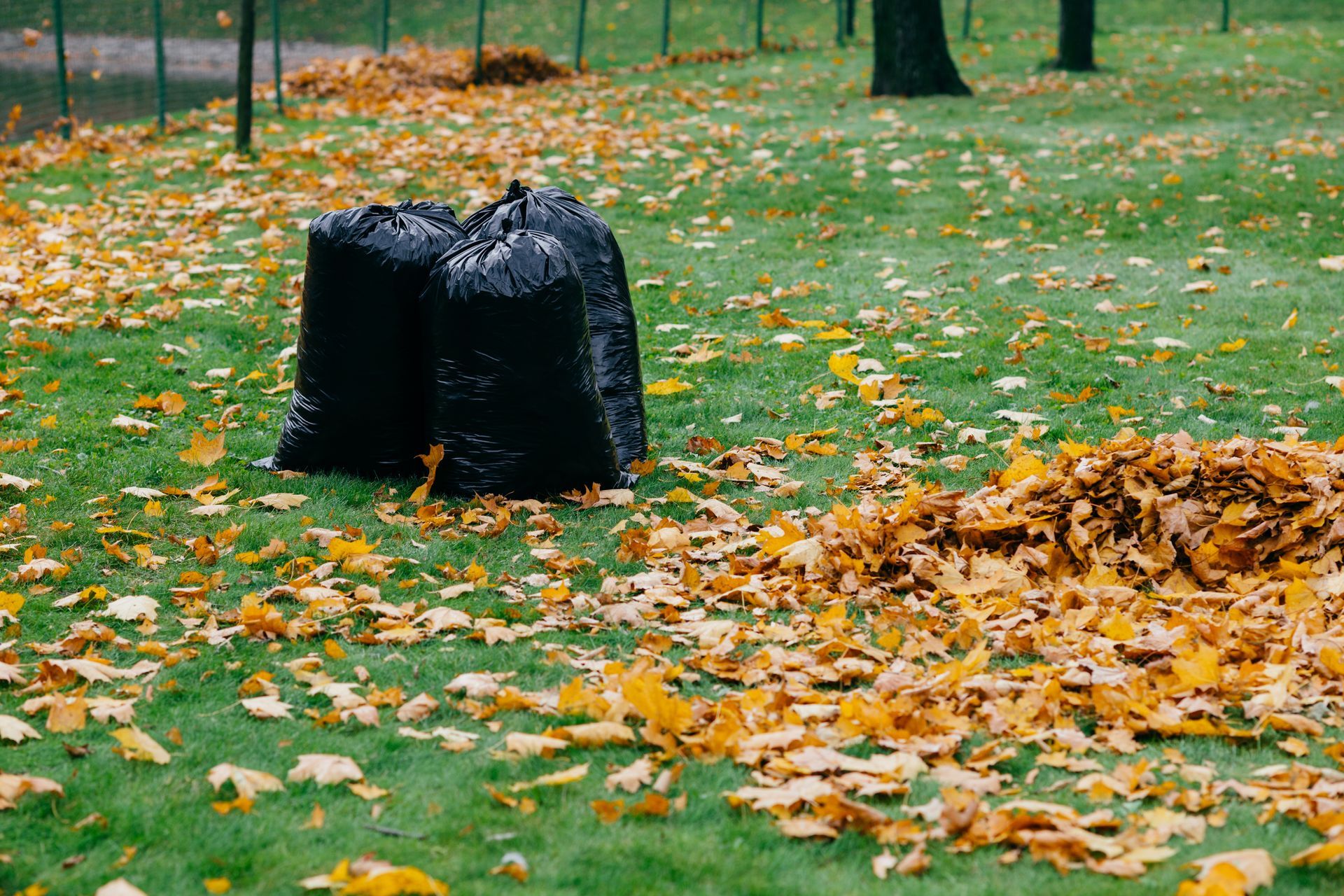
Leaf season is one of the most time-intensive parts of fall care. Our leaf cleanup service is built specifically for the heavy leaf drop that Hudson Valley properties deal with every year.
Preventing leaf mats that suffocate cool-season grass
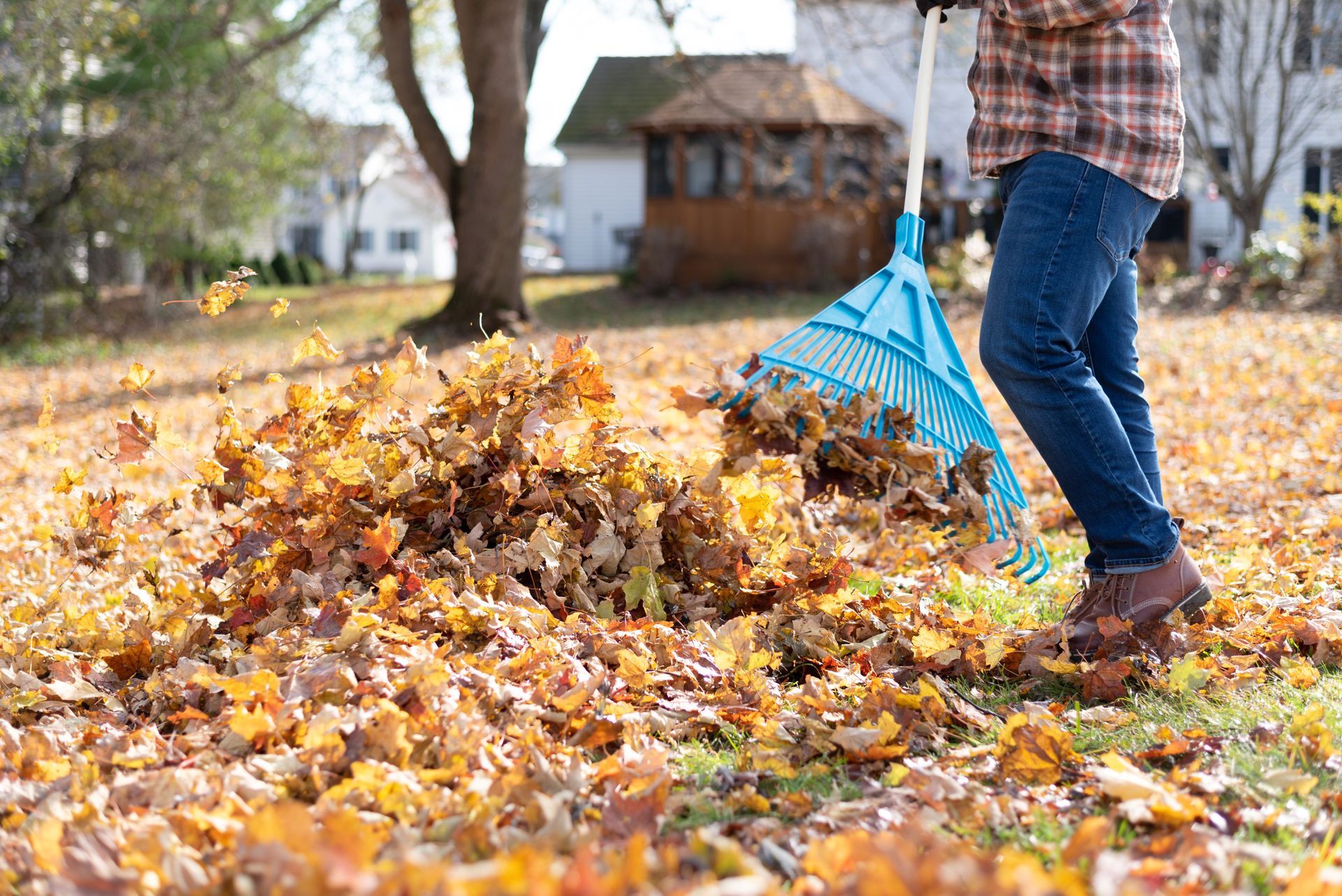
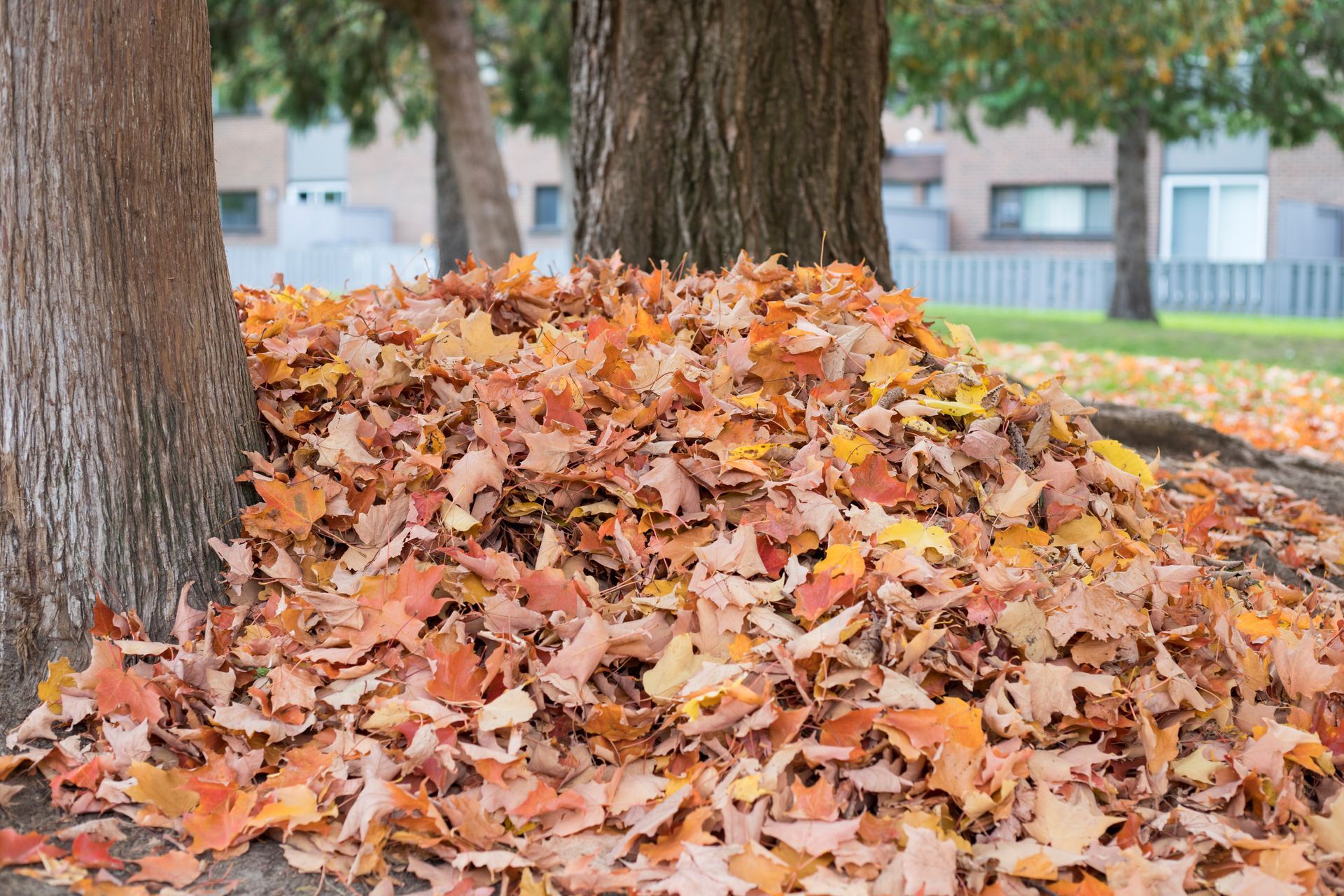
Leaves are not the enemy. Leaf mats are. When wet leaves stick to grass, they block sunlight and air. That can cause lawn disease, mold, and dead patches by spring. If leaves are piling up, remove or mulch them before they mat down.
"Leave it all" vs "remove it all", the balanced approach that protects turf and supports the yard's ecosystem
Some homeowners skip fall cleanup entirely. There are benefits to leaving some leaves, especially in garden beds where they protect soil and support beneficial insects. But leaving thick layers on the lawn usually backfires.
A balanced approach:
- Keep lawns mostly clear
- Use some leaves in beds
- Mulch thin layers with a mower
- Compost what you can't use
Practical options: relocating leaves to beds, mulching, composting, and keeping walkways safe
Good fall leaf management options include:
- Mulch leaves into the lawn in small amounts
- Move leaves into garden beds as a light blanket
- Compost leaves for future soil improvement
- Keep walkways, driveways, and stairs clear to prevent slipping
Water Flow and Drainage: The Pro-Level Cleanup Most Homeowners Ignore
Clearing drainage paths and trouble spots before heavy rain/snow
Leaves and debris often block:
- Swales and low channels
- Drain grates
- Downspout exits
- Side-yard runoff paths
Clear these areas during seasonal yard cleanup so water can move away from the home.
Gutter/downslope considerations that protect foundations, walkways, and turf
Gutter cleaning matters because overflowing gutters dump water right next to the foundation. That can lead to water pooling near the foundation, muddy spots, and eroded mulch beds. Watch where downspouts discharge and keep those exits clear.
Timing tips for soggy spring lawns (avoiding ruts and compaction)
In early spring, lawns are soft. Avoid driving heavy equipment or repeated wheelbarrow trips across wet turf. Use paths, spread out foot traffic, and wait for a drier day if possible.
Seasonal Yard Cleanup Playbook for the Hudson Valley
Spring reset: winter debris, first cuts, bed wake-up, reseeding, early edging
Here's a simple spring yard cleanup checklist:
- Remove winter branches and hidden debris
- Rake out heavy thatch or leaf mats
- Clean beds: weeds, dead stems, and trash
- Edge beds and define borders
- Fix thin turf: aeration (if needed) + overseeding
- Refresh mulch (lightly, not too deep)
For a deeper dive on spring prep, see our guide on fall yard clean-up in Poughkeepsie, NY, many of the same principles apply in reverse coming out of winter.
Summer maintenance: mowing height strategy, heat-stress prevention, storm cleanup habits
Summer goals are simple:
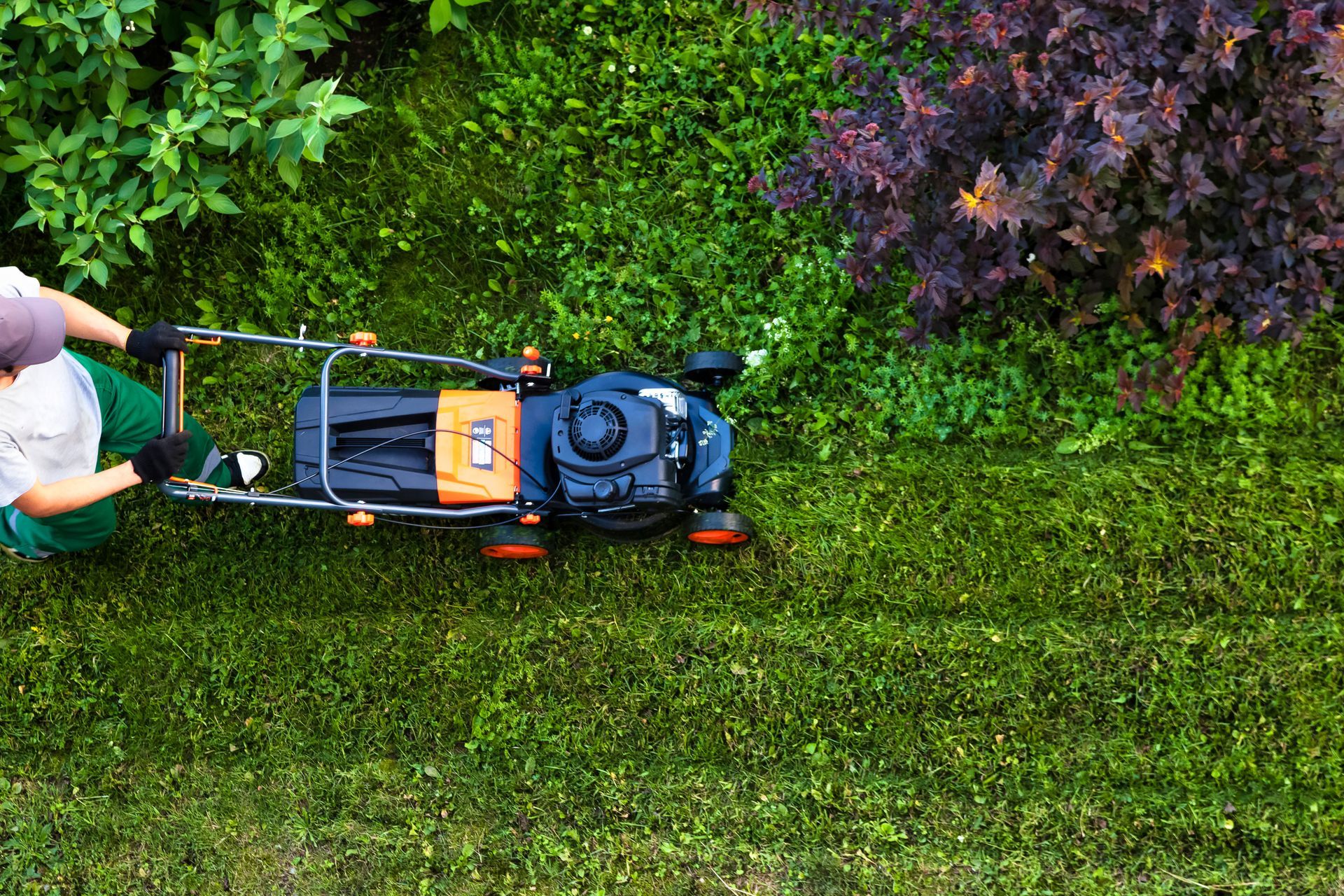
- Mow higher during heat to protect roots
- Keep edging and trimming consistent
- Do quick storm debris cleanup after wind events
- Watch for fungus signs in humid stretches
Fall prep: leaf management, cutbacks where appropriate, final mow timing, winter readiness
Fall is where many yards win or lose the next spring:
- Stay ahead of leaves so they don't mat
- Cut back perennials where needed (not all plants want fall cutbacks)
- Prune shrubs lightly (avoid heavy pruning too late)
- Plan your final mow when growth slows
Pre-winter finishing: clearing paths, protecting plants, setting the yard up for an easier spring
Before winter:
- Clear walkways and hardscape areas
- Remove loose items that can blow around
- Make sure drainage paths are clear
- Don't leave piles that will freeze into heavy mats
For tips specific to winter, check out our winter lawn care guide for Poughkeepsie, NY.
Scheduling Like a Pro: Weekly, Biweekly, or Seasonal. What Actually Works Here
How pros adjust cadence during peak growth vs midsummer slowdown
In spring and fall, growth is faster, and cleanup needs increase. In midsummer, growth slows and the focus shifts to mowing height, heat stress, and spot fixes.
What "a plan" should include: mowing, trimming, edging, cleanup, seasonal touchpoints
A solid seasonal lawn care plan usually covers:
- Mowing + trimming + edging
- Cleanup after mowing (clippings cleanup)
- Seasonal resets (spring/fall)
- Leaf removal or leaf management
- Bed care and pruning shrubs as needed
Service level differences (basic vs more complete seasonal care) and who each fits
Basic care keeps things tidy. More complete care includes soil and turf fixes like aeration, overseeding, topdressing, and drainage attention. If your lawn is thin, patchy, or always wet in spots, "complete" work usually pays off. View our full services to see what fits your property.
Wrap-Up: The Payoff of Doing What Pros Do
When seasonal yard cleanup is done the pro way, you get:
- Less mess after storms
- Fewer dead patches from leaf mats
- Better soil health and stronger turf
- Cleaner beds, sharper edges, and better curb appeal
Ready to get started? Contact us or see our work in the gallery to learn more about how Blue Collar Exterior Improvements serves Hudson Valley homeowners.
Frequently Asked Questions
When is the best time to do a yard cleanup in the Hudson Valley?
There's no single answer, that's the point. Spring and fall are the two most important windows. Spring cleanup sets your turf up for the growing season: clearing debris, fixing bare spots, and edging beds. Fall cleanup prevents the leaf mats and drainage problems that cause the most damage over winter. Waiting until one big annual cleanup usually means you're playing catch-up all season.
Should I leave leaves on my lawn over the winter?
A light layer that gets mulched in is fine. A thick, wet mat is not. Once leaves mat down on cool-season grass, they block light and trap moisture, leading to mold, lawn disease, and dead patches come spring. The practical rule: keep your lawn mostly clear, use some leaves as a light mulch in garden beds, and compost the rest.
How do I know if my lawn needs aeration?
Three signs point to compaction: water pools instead of soaking in, the lawn feels hard underfoot, and you've got thin or bare patches that don't fill in on their own. Hudson Valley properties with clay-heavy soil, heavy foot traffic, or mature tree roots are especially prone to this. Core aeration paired with overseeding in early fall is usually the most effective fix.
What's the biggest mistake homeowners make during seasonal cleanup?
Stopping at "looks tidy." Surface debris gets removed, but the underlying issues, compacted soil, blocked drainage, shrubs touching siding, leaf buildup under hedges, get left behind. Those hidden problems are what cause repeat damage, pest issues, and thin turf year after year. A real cleanup means checking the spots you can't easily see from the driveway.
Can I do seasonal yard cleanup myself, or should I hire a pro?
Plenty of it is DIY-friendly: raking, light pruning, mulch refreshing, and basic edging. Where pros add the most value is in the diagnostic work, spotting drainage issues, knowing when aeration is actually needed, timing pruning correctly by plant type, and catching problems early before they compound. If your yard has recurring issues (wet spots, thin turf, overgrown beds), a professional cleanup often pays for itself in fewer problems the following season.
Recent Posts