How Much Does Landscape Design Cost? What Drives the Price Up or Down
September 18, 2026
Call Or Text

Quick Answer: Landscape design usually costs one of three ways: an hourly rate around $50 to $150, a flat fee for a plan (commonly $700 to $3,000 for a residential yard, more for large or complex properties), or a percentage of the total project, typically 10% to 20%. The single biggest point of confusion is this: the design fee is just for the plan. Materials and installation are separate and cost far more. For most Hudson Valley homeowners refreshing their beds and entry, a full standalone design fee is not even necessary, because a local landscaper often rolls a simple, practical design into the project itself.
At Blue Collar Exterior Improvements, we design and install landscaping for homes across Poughkeepsie and Dutchess County, so we sit on both sides of this question every week: the plan and the crew that builds it. This guide breaks down how landscape design is actually priced, what pushes the number up or down, and when you do and do not need to pay for a formal design.
The Three Ways Design Is Priced
Landscape designers do not all price the same way, and knowing the three common structures helps you read a quote and compare offers. Which one you encounter depends on the scale of your project and whether you are hiring a solo designer, a design-build landscaper, or a landscape architect.
None of the three is inherently a better deal. They fit different projects, and the right one for you depends on how big and complex your yard plans are.
Hourly, Flat Fee, or Percentage
Here is how the three models generally work and where each shows up.
| Pricing Model | Typical Range | Best Fit |
|---|---|---|
| Hourly | $50 to $150 per hour | Consultations and small, iterative work |
| Flat fee per plan | $700 to $3,000 residential | A defined yard with a clear scope |
| Percentage of project | 10% to 20% of build | Large or design-build projects |
What a Consultation Costs
Most projects start with a consultation, often a one- to two-hour walk-through where a designer gives recommendations on layout, plant choices, and scope. Expect a flat consultation fee in the range of $100 to $200, or the first hour folded into an hourly rate. For a straightforward residential yard, that conversation is sometimes all the "design" you need before work begins.
Design Fee vs. Total Project Cost
This is the distinction that trips up almost everyone searching this question, so it is worth being clear. When you see a landscape design cost quoted, that number is almost always for the plan alone, not for the finished yard.
Confusing the two leads to sticker shock in both directions, so separate them in your head before you budget.
The Plan Is Not the Yard
A design fee pays for the thinking and the drawings: the layout, the plant list, the bed shapes, and sometimes a rendering. Turning that plan into a real landscape is a separate cost that covers plants, soil, hardscape materials, and the labor to install it all. On most projects, installation dwarfs the design fee, which is why a $2,000 plan can lead to a $15,000 or $30,000 build. Neither number is wrong; they are answering different questions.
Where the Money Actually Goes
If your project includes hardscape, that is usually where the budget concentrates. A patio, retaining wall, fire pit, or water feature adds far more to the total than the design work that shapes them. A planting-only refresh, by contrast, keeps the total much closer to the design and material cost. Knowing which kind of project you have tells you whether the design fee is a rounding error or a meaningful line item.
A Note on Hudson Valley Pricing
Location moves these numbers, and our corner of New York sits on the higher side of the national ranges. Labor and operating costs in the Hudson Valley, within reach of the New York City metro, run above what you would see in rural parts of the country, so local hourly and flat-fee quotes tend toward the upper end of the figures above. That is worth keeping in mind when you compare a national cost-guide number to a quote from a local crew: the local number reflects local labor, and it also reflects a designer who actually knows which plants survive a Zone 5b to 6a winter and how our clay-heavy soils drain. That regional knowledge is part of what you are paying for, and it saves money over a plan that specifies the wrong plants for our conditions.
What Drives the Price Up or Down
Two yards of the same size can carry very different design fees. Most of the variation comes down to a handful of factors that change how much time and expertise the plan demands.
Understanding these lets you see why a quote is what it is, and where you can pull the cost down if you need to.
The Main Cost Factors
These are the variables that move a landscape design fee the most.
- Property size and scope: More area and more elements mean more design time.
- Complexity: Grading, drainage, terraces, and custom features take real planning; simple bed refreshes do not.
- Hardscape: Patios, walls, fire pits, and water features raise both the design and the build cost.
- Deliverables: A quick sketch costs less than a detailed 2D plan, which costs less than a 3D rendering.
- Revisions: Reworking a plan multiple times adds hourly charges with many designers.
Where You Can Save
If budget is tight, the levers are straightforward. Keep the plan focused on the areas that matter most, usually the front foundation beds and entry that set the tone for the whole property. Favor a clean, low-maintenance planting plan over elaborate hardscape. And skip the 3D rendering if a clear layout and plant list will do, since renderings are a design-time add-on you do not always need for a residential yard.
Designer vs. Landscape Architect
The title of the professional you hire affects the price, and the two are not interchangeable. For most residential yards the distinction matters less than people think, but it is worth understanding before you pay architect rates you may not need.
The gap comes down to licensing and what each is legally able to do.
What Separates Them
A landscape architect is a licensed professional who can stamp drawings for permitting and is liable for plans that must meet building codes, which is why they sit at the top of the rate range and more often charge a percentage of the project. A landscape designer is not licensed to stamp drawings but handles the planting plans, bed layouts, and everyday residential design that the vast majority of homeowners actually need.
Which One You Need
If your project involves structural work, permits, drainage engineering, or a large commercial site, an architect is the right call. If you are redesigning your beds, refreshing your foundation planting, or planning a typical backyard, a designer or a design-build landscaper covers it at a lower cost. Paying architect rates for a planting refresh is spending for credentials the job does not require.
When You Actually Need a Formal Design
Here is the part most cost guides leave out. Not every landscaping project needs a paid, standalone design at all, and knowing when you do saves you money.
For a lot of Dutchess County homeowners, the straight answer is that a formal design fee is optional, because the design comes bundled with the work.
When a Standalone Design Makes Sense
Pay for a formal design when the project is large, phased over time, involves significant hardscape or grading, or when you want a detailed master plan you will build toward over several seasons. In those cases the plan earns its fee by preventing costly mistakes and keeping a multi-part project coherent.
When It Does Not
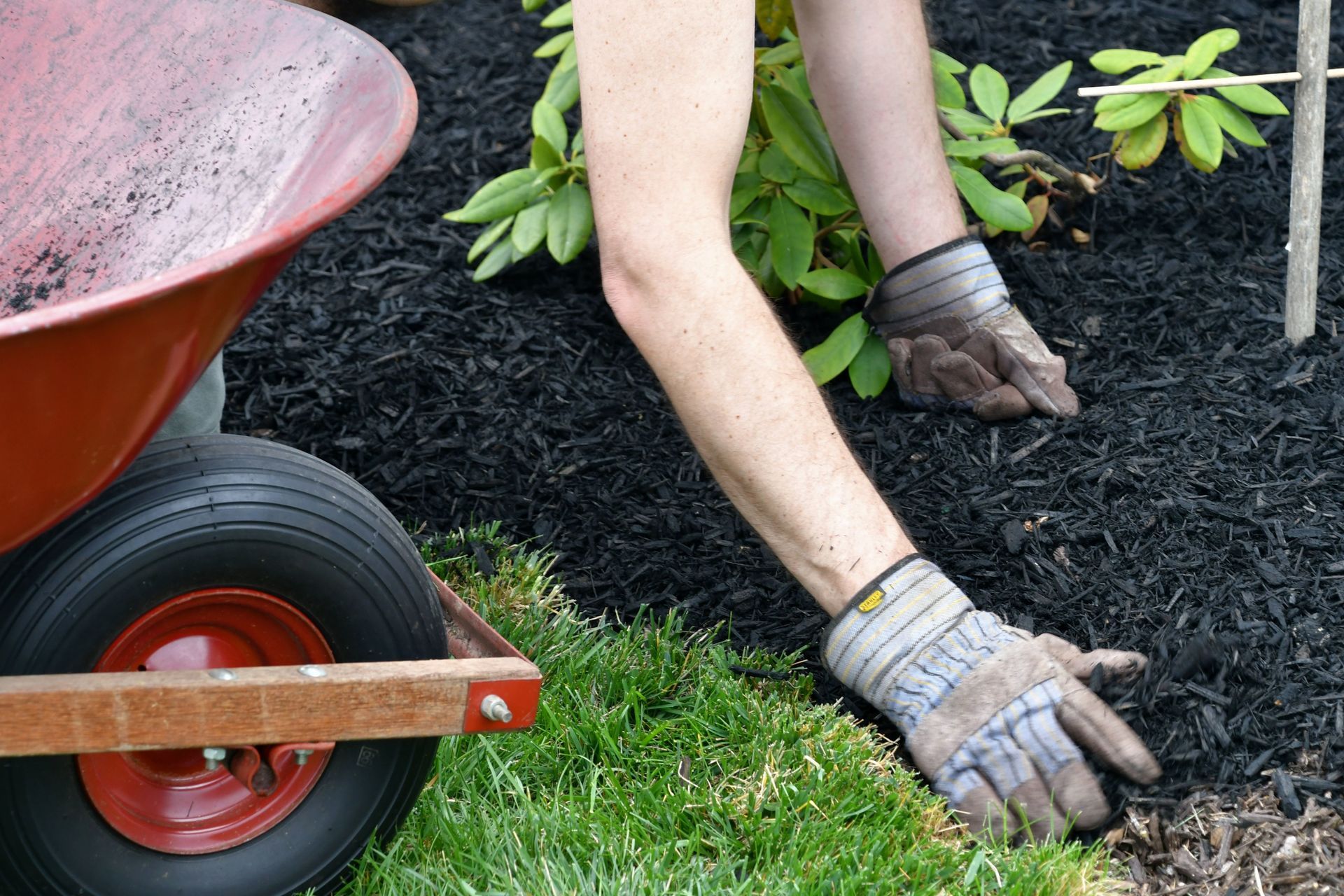
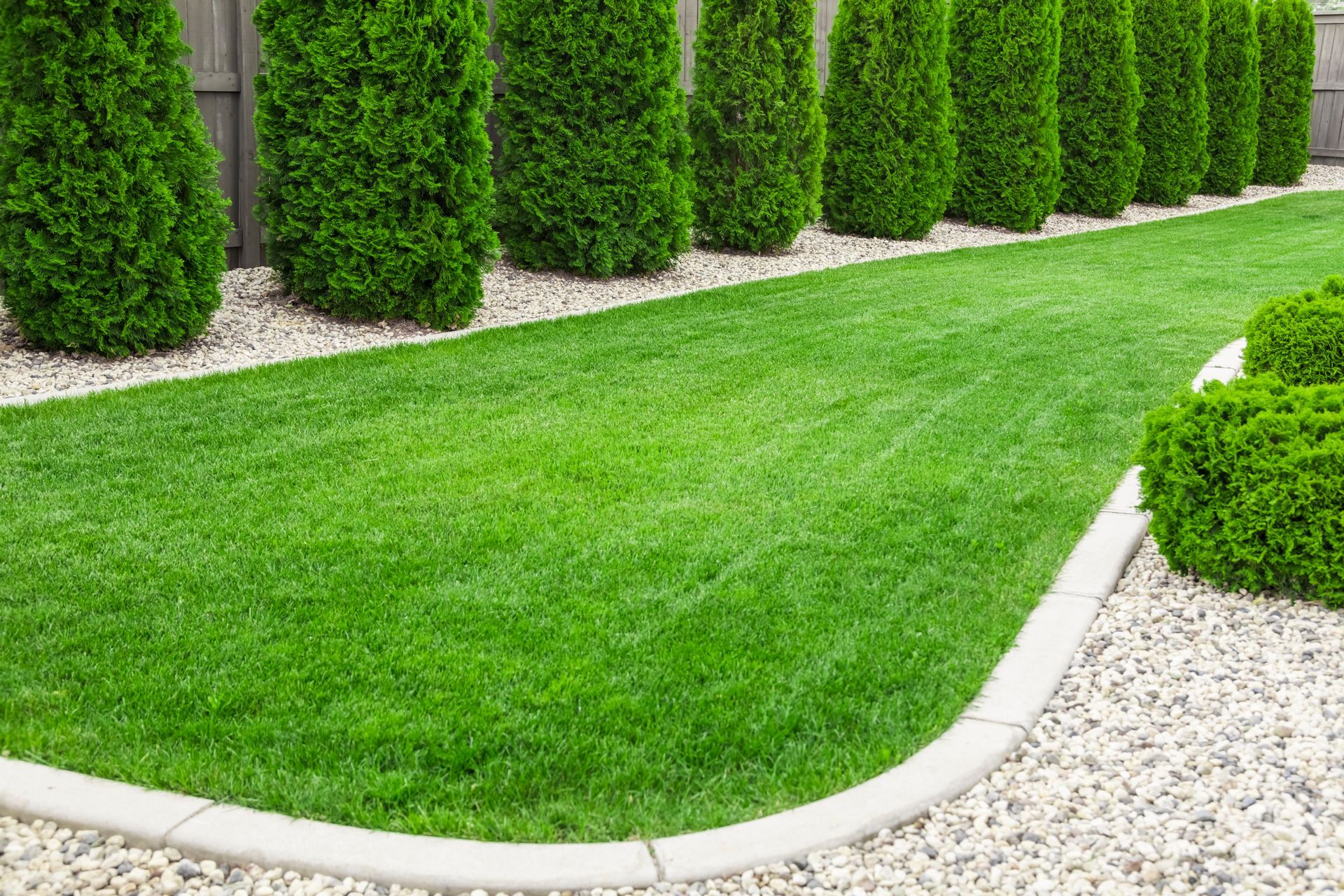
For a straightforward residential refresh, right plants in the right places, neat bed lines, a tidy mulched finish, many local landscapers, including us, build a simple, practical design into the project rather than charging a separate architect-style fee. That approach fits the way most Hudson Valley yards actually get improved: foundation and entry beds with evergreen structure and seasonal color, planned to pair with your regular mowing and seasonal care. You can see how we approach that on our landscape design page.
Plan Your Landscape With a Local Team
Whether you need a full design or just a practical plan built into the install, Blue Collar Exterior Improvements can help you get it right without paying for more than your yard needs. We are a locally owned landscaping team serving Poughkeepsie, Wappingers Falls, Fishkill, and the surrounding Dutchess County towns, known for neat work, clear communication, and dozens of five-star reviews. Call or text us at (845) 394-9409
for a free estimate.
Frequently Asked Questions
How much does landscape design cost?
Landscape design is typically priced hourly at about $50 to $150, as a flat fee of roughly $700 to $3,000 for a residential plan, or as 10% to 20% of the total project cost. Larger or more complex properties cost more. Remember that this is the design fee only, separate from the materials and installation needed to build it.
Is landscape design cost separate from installation?
Yes, and this is the most common misunderstanding. The design fee pays for the plan, layout, and plant selections. Materials and the labor to install them are a separate, usually much larger cost. A modest design fee can lead to an installation many times its size, especially when hardscape is involved.
Do I need a landscape architect or a designer?
For most residential yards, a landscape designer or a design-build landscaper is all you need and costs less. A licensed landscape architect is worth the higher rate when your project requires permits, stamped drawings, structural work, or drainage engineering, which is more common on large or commercial sites than on a typical backyard.
Can I get landscaping done without paying for a design?
Often, yes. For a straightforward planting refresh, many local landscapers build a simple, practical design into the project instead of charging a separate design fee. A standalone paid design makes more sense for large, phased, or hardscape-heavy projects where a detailed master plan prevents expensive mistakes.
What makes landscape design more expensive?
The biggest drivers are property size, design complexity, and hardscape features like patios, retaining walls, and fire pits. Detailed deliverables such as 3D renderings and multiple rounds of revisions also add to the fee. A simple, low-maintenance planting plan for your key beds is the most budget-friendly route.
Recent Posts