When to Stop Mowing Your Lawn in the Fall (And How to Handle the Last Cut)
October 5, 2026
Call Or Text

Stop mowing when your grass stops growing, not on a set date. In the Hudson Valley, cool-season lawns usually slow down once daytime temperatures stay below about 50 degrees and after a few hard frosts, which typically puts the last mow somewhere in early to mid November. For that final cut, lower the mower slightly to about 2.5 to 3 inches, never scalp the lawn, mow when the grass is dry and not frosted, and clear leaves off the turf before snow arrives. A slightly shorter, clean lawn going into winter is less prone to snow mold and vole damage.
Blue Collar Landscaping is a locally owned Poughkeepsie lawn care company led by owner Shane Brandemarte. We run weekly and biweekly mowing routes from spring green-up through late fall across Poughkeepsie, Wappingers Falls, Hyde Park, LaGrange, Pleasant Valley, and Hopewell Junction, so we make the call on when to end the season for lawns all over Dutchess County every year. This guide explains how we decide.
In This Guide
- Signs It Is Time to Stop Mowing: What your lawn tells you.
- Typical Timing in the Hudson Valley: A month-by-month view.
- Conditions That Change the Timing: Shade, new grass, and wet soil.
- How Short to Cut the Last Time: The right final height.
- How to Handle the Last Cut: Step by step.
- Mistakes to Avoid at the End of the Season: What hurts your lawn.
- What Spring Tells You About Last Fall: Snow mold and vole trails.
- Other Fall Lawn Tasks to Finish: Before winter sets in.
- Putting Your Mower Away for Winter: Protecting your equipment.
- Frequently Asked Questions: Quick answers.
Signs It Is Time to Stop Mowing
The calendar is a rough guide, but the grass itself gives the clearest answer.
Your Lawn Has Stopped Growing
The simplest test is to watch how fast the grass grows between mows. When a week or more goes by and the lawn barely looks taller, growth has slowed to the point where mowing is no longer needed.
Temperatures Have Dropped
Cool-season grasses, including the Kentucky bluegrass, fine fescue, tall fescue, and perennial ryegrass found in most Poughkeepsie lawns, keep growing through the cool days of fall. Growth slows significantly once daytime highs stay in the 40s and soil temperatures fall. A few hard frosts usually push the lawn toward dormancy.
The Color Is Changing
As grass heads into dormancy, it often loses some of its deep green color and turns duller. That is normal and a sign the lawn is shifting into winter mode.
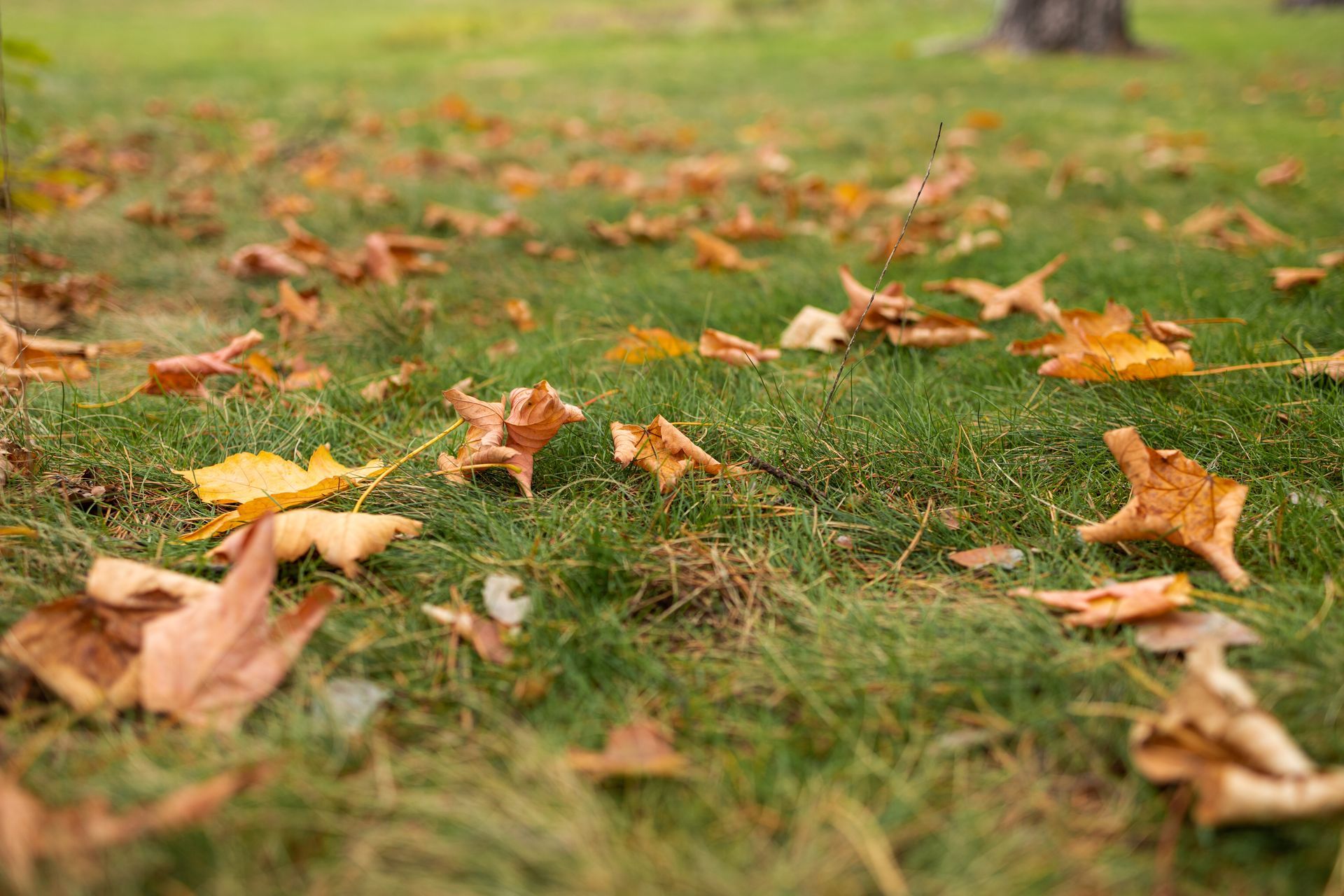
Leaves Are Down
In many yards, the final mow lines up with the end of leaf drop. Mowing over the last of the leaves helps clear the lawn before winter. Our guide on
what to do with fallen leaves covers when to mulch them in and when to remove them.
Typical Timing in the Hudson Valley
Every year is a little different, but this is how the season usually winds down in Dutchess County.
| Period | What the Lawn Is Doing | Mowing Plan |
|---|---|---|
| September | Strong regrowth as heat breaks | Weekly mowing, keep height around 3 to 3.5 inches |
| October | Still growing, slowing late in the month | Weekly or every 10 days, mulch leaves as they fall |
| Early November | Growth slowing, frosts more frequent | Mow as needed, plan the final cut |
| Mid to late November | Little to no growth, heading dormant | Final cut and leaf cleanup if not done |
| December onward | Dormant | No mowing |
Lawns in shady, sheltered spots or near the river may grow a little later into the season, while open, exposed lawns and higher elevations may stop sooner. Warm falls can extend the season into late November, and an early cold snap can end it in late October.
Conditions That Change the Timing
Two lawns on the same street can need their last mow weeks apart.
Sun and Shade
Lawns in full sun warm up faster during the day and often keep growing a bit longer into fall. Shaded lawns under maples and oaks tend to grow more slowly and may also be buried by leaves sooner, which makes leaf management more important than mowing in those areas.
Newly Seeded or Sodded Lawns
If you overseeded or laid sod in late summer, keep mowing the new grass as long as it is growing. Young grass benefits from regular mowing at a moderate height, which encourages it to thicken. Let new seedlings reach mowing height before the first cut, and avoid heavy equipment on soft new turf.
Wet Spots and Clay Soil
Much of Dutchess County has heavy, clay-rich soil that stays wet in late fall. Mowing soggy areas leaves ruts and compacts the soil. If parts of the lawn are still soft, skip them on that pass or wait for a drier day.
How Short to Cut the Last Time
The final cut is the one time of year when going a bit shorter makes sense.
The Recommended Height
For most cool-season lawns, a final height of about 2.5 to 3 inches works well. Through summer we keep lawns taller, around 3 to 4 inches, to shade the soil and reduce heat stress. In fall, lowering gradually over the last couple of mows gets the lawn to its winter height without a shock.
Why a Slightly Shorter Lawn Helps
Long grass that flops over under snow creates a damp, matted layer where snow mold thrives. Gray and pink snow mold show up as matted, discolored patches when the snow melts in spring. Tall, matted grass also gives voles cover to tunnel through the lawn under the snow, leaving winding trails of damaged turf.
Why You Should Not Go Too Short
Cutting too low, or scalping, removes the leaf tissue the grass uses to store energy for winter and exposes the crown to cold damage. It also leaves room for weeds to move in come spring. Stick to the rule of never removing more than about a third of the blade in a single mow.
How to Handle the Last Cut
Here is how we approach the final mow of the season:
- Lower the deck gradually over the last two or three mows instead of all at once.
- Wait for dry grass. Mowing wet grass tears blades and leaves clumps that can mat.
- Avoid frosted grass. Walking or mowing on frozen blades breaks them and leaves brown footprints.
- Use a sharp blade for a clean cut that heals quickly.
- Mulch or bag the last leaves so the lawn goes into winter clear.
- Clean up clumps and debris so nothing sits on the turf under the snow.
- Edge and blow off walks and driveways for a clean finish.
Mistakes to Avoid at the End of the Season
These end-of-season habits cause problems that show up in spring:
- Stopping too early while the grass is still growing, leaving it long and floppy going into winter.
- Scalping the lawn on the last cut in an effort to "get it short for winter."
- Leaving a heavy layer of leaves on the grass, which smothers turf and invites snow mold.
- Mowing frozen or frosted grass, which damages the blades.
- Ignoring bare spots until spring, when fall would have been the better time to seed.
- Leaving toys, furniture, and hoses on the lawn, where they create dead patches under snow.
What Spring Tells You About Last Fall
The results of your end-of-season mowing show up when the snow melts.
Snow Mold Patches
Circular, matted patches of gray or pinkish grass in early spring are usually snow mold. Most lawns recover once the patches are lightly raked to fluff the grass and let it dry out. Seeing a lot of it is a sign the lawn went into winter too long or covered in leaves.
Vole Trails
Winding paths of dead or flattened grass across the lawn are often vole runways made under the snow. Light raking and a little seed usually fix them. Shorter grass and a clean lawn in fall make the lawn less attractive to voles.
Thin, Matted Areas Under Old Leaf Piles
Patches of dead grass where leaves sat all winter are a clear sign they needed to come off in the fall. These spots usually need raking and reseeding in spring.
Other Fall Lawn Tasks to Finish
The last mow is one part of putting the lawn to bed for winter.
Fertilize at the Right Time
Fall is the most important time of year to fertilize cool-season grass. A feeding in early to mid fall supports root growth and helps the lawn green up faster in spring. Avoid fertilizing a lawn that is already dormant.
Overseed Early
Overseeding thin areas works best in late summer and early fall, when soil is still warm and air temperatures are cooling. By the time of the last mow, it is usually too late for new seed to establish before winter.
Clear Leaves and Debris
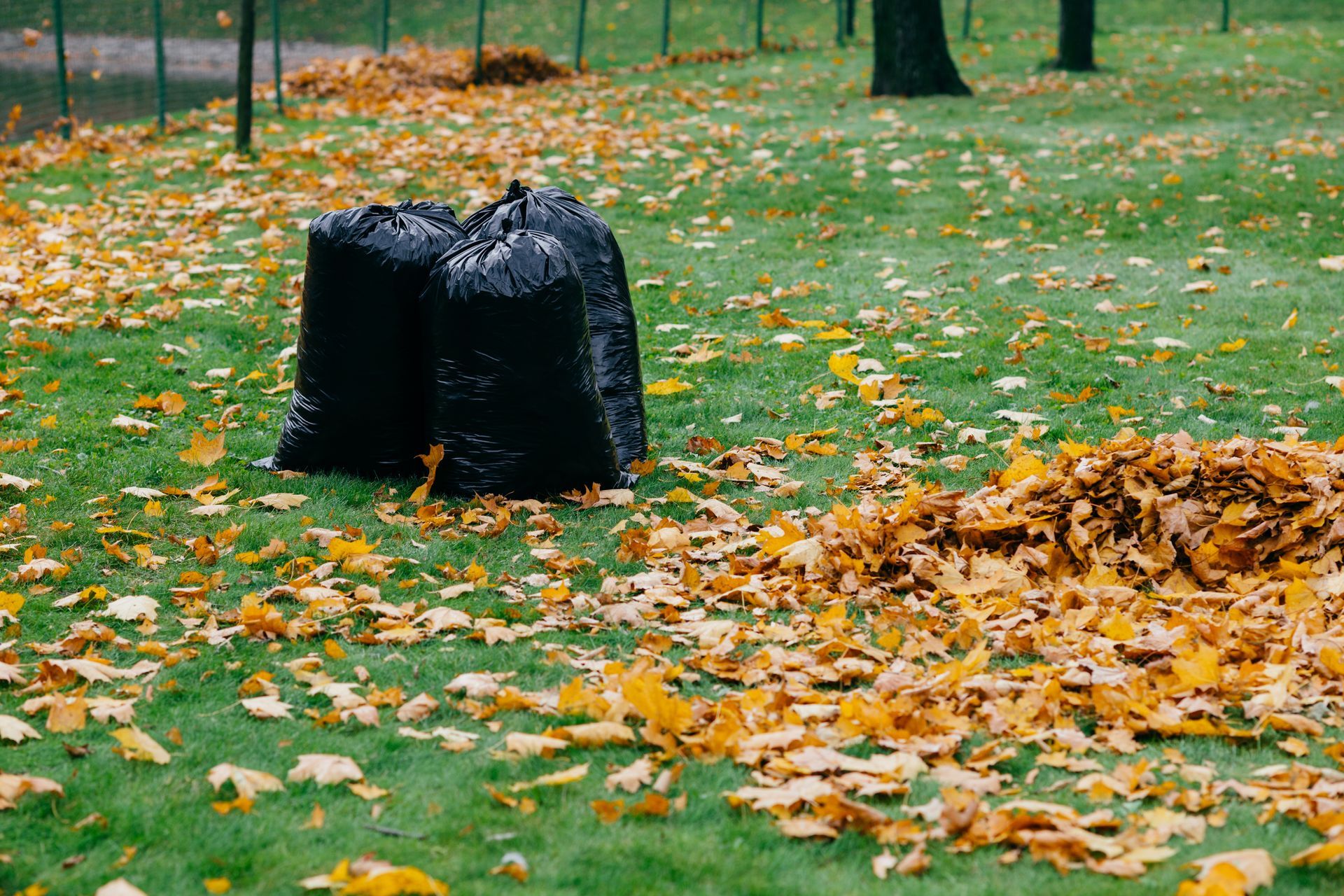
Leaves left on the lawn are one of the most common causes of dead patches in spring. If you have more leaves than you can mulch, consider a professional leaf cleanup.
Mark Driveway and Walkway Edges
If you have a plow or snowblower route, marking the edges of the driveway and walks with stakes helps prevent turf damage when snow piles up.
Trim Shrubs Carefully
Late fall is not the time for heavy pruning on most shrubs, but light cleanup is fine. Our
bush trimming service
handles shaping at the right times of year.
Putting Your Mower Away for Winter
Once the last cut is done, a few minutes of care keeps your mower ready for spring.
Fuel
Either run the engine until the tank is empty or add fuel stabilizer to fresh gas and run the engine for a few minutes so it reaches the carburetor. Old gas left in the system over winter is a common reason mowers will not start in April.
Clean and Inspect
Scrape dried grass from under the deck, check the air filter and spark plug, and look over the blade for nicks and bends. Winter is a good time to sharpen or replace it so you start the season with a clean cut.
Store It Dry
Keep the mower in a dry, well-ventilated garage or shed, away from road salt and moisture. If you store a gas can over winter, keep it sealed and away from the furnace or water heater, and plan to use or dispose of old fuel before spring.
Let Us Handle the End of the Season
If you would rather not track growth rates and frost dates, our mowing crews handle the seasonal timing for you, adjusting cut height through fall and finishing the season with a clean final cut. Learn more about our lawn mowing service, see how we help homeowners through the year in our guide to choosing a landscaping company in Poughkeepsie, or read our summer lawn care tips.
Call or text Blue Collar Landscaping at (845) 394-9409 or
contact us for a free estimate in Poughkeepsie and nearby Dutchess County towns.
Frequently Asked Questions
When should I stop mowing my lawn in New York?
In the Hudson Valley, most cool-season lawns need their last mow sometime in early to mid November, once growth slows after several frosts and daytime temperatures stay below about 50 degrees. Watch the grass rather than the calendar. When it stops growing between mows, you are done.
How short should I cut my grass for winter?
A final height of about 2.5 to 3 inches works well for most Hudson Valley lawns. That is slightly shorter than summer height but not so short that it stresses the grass. Lower the mower gradually over the last few cuts.
Is it bad to mow frosted grass?
Yes. Frozen grass blades break easily, and mowing or walking on them can leave brown, damaged patches. Wait until the frost has melted and the grass is dry.
What happens if I leave my grass long over winter?
Long grass tends to flop over and mat under snow, which creates a damp environment for snow mold and gives voles cover to tunnel through the lawn. Both can leave damaged patches in spring.
Should I mow leaves into my lawn on the last mow?
If the leaf layer is light enough that you can still see grass after mowing, mulching them in is fine and adds organic matter. If leaves are thick or matted, remove them so they do not smother the lawn over winter.
Recent Posts