What to Do With Fallen Leaves: Mulch, Compost, or Remove?
October 15, 2026
Call Or Text

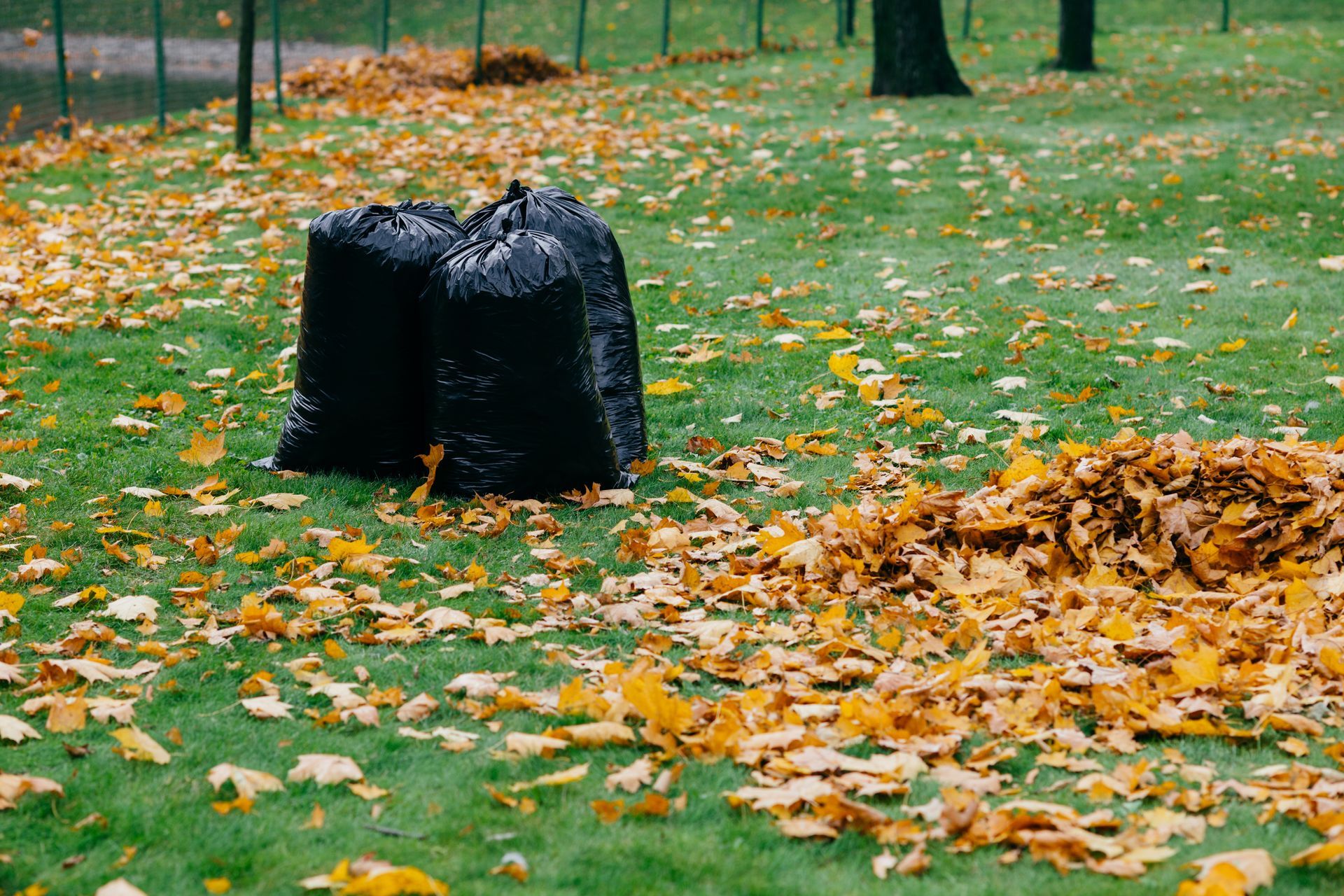
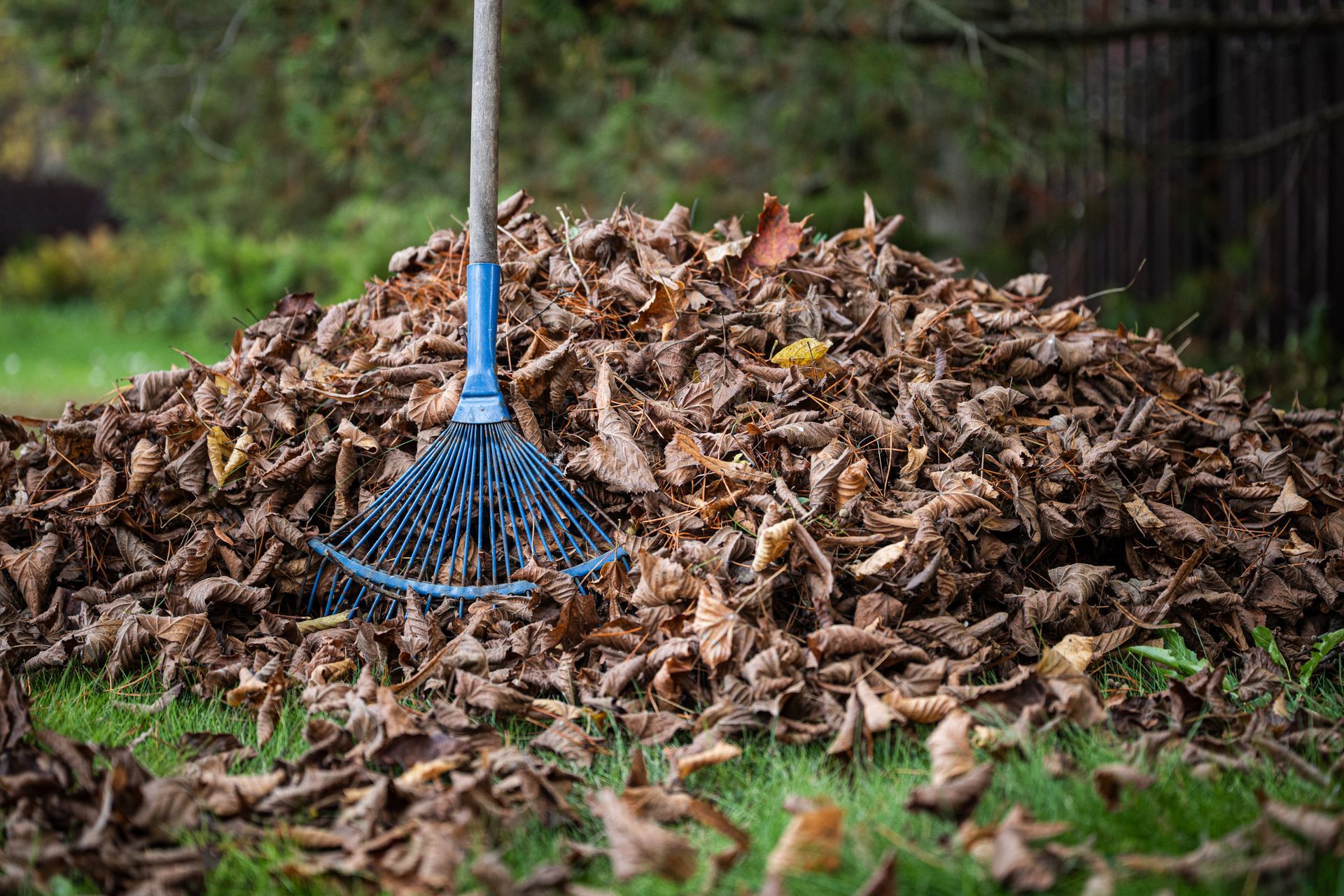
You have three good options for fallen leaves: mulch them into the lawn with a mower, compost them or use them as mulch in garden beds, or remove them. Mulching works well when the layer is light enough that you can still see grass through the shredded leaves after mowing. Composting and bed mulch are the best uses for larger volumes. Removal makes sense when leaves are piled thick, wet and matted, diseased, or covering a lawn going into winter. The one thing you should not do is leave a heavy, wet layer sitting on your grass through a Hudson Valley winter, because it smothers the turf and invites snow mold.
Blue Collar Landscaping is a locally owned Poughkeepsie lawn and landscape company led by owner Shane Brandemarte, and fall leaf cleanup is one of our busiest services each year, with extra crews from October through December. We clear leaves from lawns, beds, and hard surfaces across Poughkeepsie, Wappingers Falls, Hyde Park, LaGrange, and nearby Dutchess County towns. This guide explains how to decide what to do with yours.
In This Guide
- Your Three Options at a Glance: Mulch, compost, or remove.
- Mulching Leaves Into the Lawn: When it works and when it does not.
- Composting Leaves: Turning leaves into soil.
- Using Leaves as Mulch in Beds: Free protection for plants.
- Special Cases: Oak, Black Walnut, and Pine Needles: Leaves that need extra thought.
- Leaves and Your Fall Lawn Care Plan: Overseeding and mowing.
- When to Remove Leaves: Situations that call for cleanup.
- What Not to Do With Leaves: Burning, storm drains, and more.
- Timing Leaf Work in the Hudson Valley: When to act.
- Frequently Asked Questions: Quick answers.
Your Three Options at a Glance
The right choice depends mostly on how many leaves you have and where they are.
| Option | Best When | Watch Out For |
|---|---|---|
| Mulch into the lawn | Light to moderate leaf cover on turf | Layers too thick to chop finely |
| Compost or use in beds | Large volumes, gardeners who want free soil amendment | Diseased leaves, slow breakdown if left whole |
| Remove and haul away | Heavy, matted, or diseased leaves, or no room to use them | Cost and effort, local collection rules |
Most Poughkeepsie yards end up using a mix. Mow the light leaves into the lawn, rake heavier drifts into beds or the compost pile, and remove what is left.
Mulching Leaves Into the Lawn
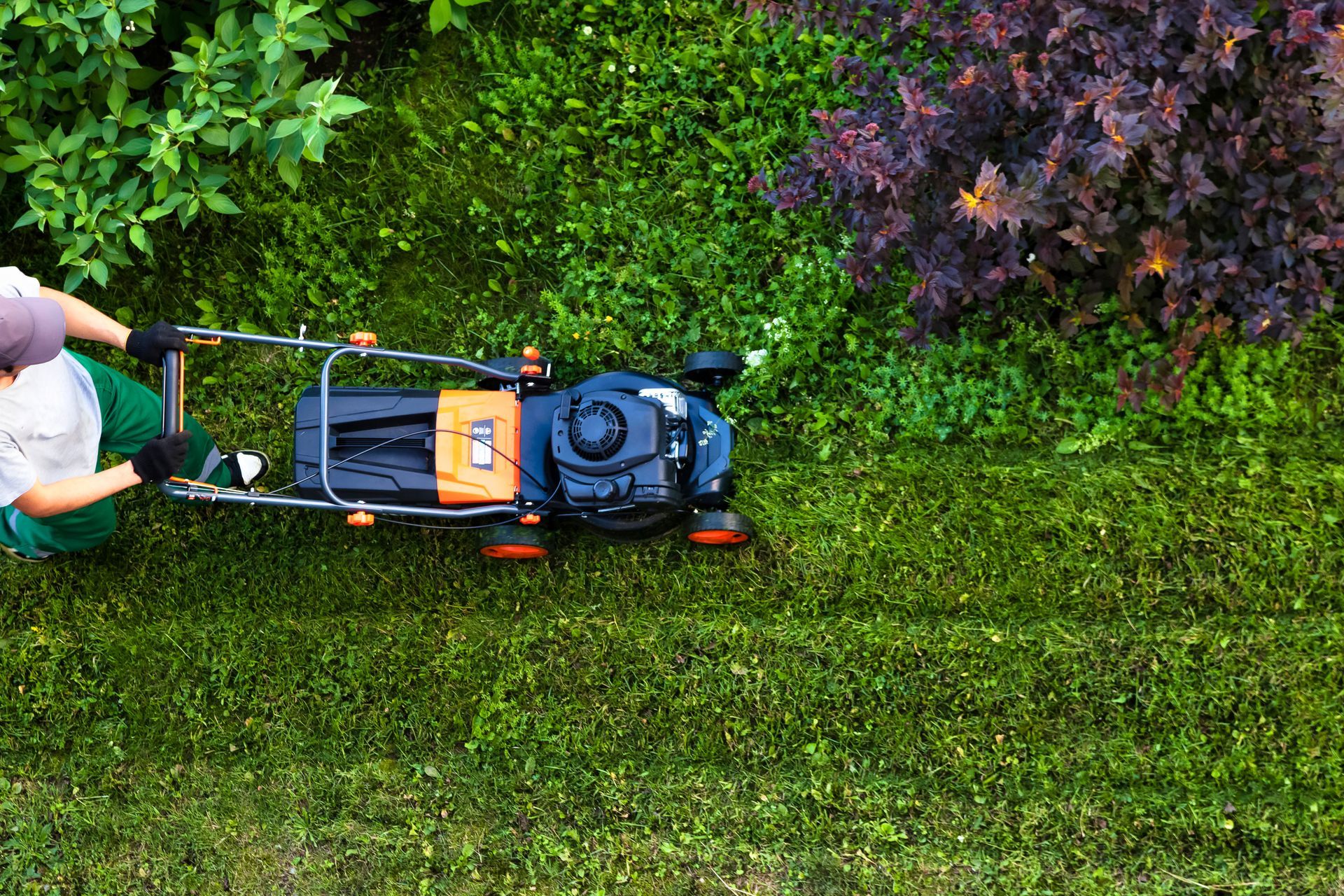
Mowing over leaves and leaving the shredded pieces on the lawn is the easiest option, and it can help your grass.
Why It Works
Finely chopped leaves fall between grass blades, break down over the winter, and return organic matter to the soil. University turfgrass research has found that mulching leaves into a lawn does not harm healthy turf when the pieces are small enough. It also saves hours of raking and bagging.
The Rule of Thumb
After you mow, you should still be able to see grass through the leaf pieces. If the lawn looks completely covered, there are too many leaves to mulch in one pass. Mow more often during peak drop, or remove part of the layer first.
How to Do It Well
Mow when leaves are dry, since wet leaves clump instead of shredding. Raise the mower slightly so it chops leaves rather than scalping the grass. A mulching blade helps, and two passes in different directions break leaves down faster. Keep your blade sharp. A dull blade tears both grass and leaves.
Leaves That Mulch Better or Worse
Small, thin leaves like maple and birch break down quickly. Large, tough leaves like oak take longer and are better chopped very finely or moved to the compost pile.
Tools That Make It Easier
A mower with a bagging attachment can shred and collect leaves in one pass, giving you ready-made material for beds or compost. A leaf blower with a vacuum and shred setting works well for beds and corners where a mower cannot reach. For large properties, raking or blowing leaves onto a tarp is faster than bagging piles by hand. Whatever you use, work in dry conditions whenever possible. Wet leaves are heavier, clog equipment, and pack down instead of moving.
Composting Leaves
Leaves are one of the best free ingredients for compost.
How Leaves Fit In
In composting terms, dry leaves are a carbon-rich "brown" material. They break down best when mixed with nitrogen-rich "green" material, such as grass clippings and kitchen scraps, and kept moist. Shredding leaves first speeds things up considerably.
Leaf Mold
If you do not want to manage a full compost pile, you can simply pile leaves in a corner or wire bin and let them sit. Over a year or two, they break down into leaf mold, a dark, crumbly material that improves soil structure in beds and gardens.
Leaves to Leave Out
Skip leaves from plants with obvious disease, such as maple leaves heavy with tar spot or fruit tree leaves with scab, unless your pile gets hot enough to break down pathogens. Most home piles do not.
Using Leaves as Mulch in Beds
Shredded leaves make a useful winter mulch for flower and shrub beds.
The Benefits
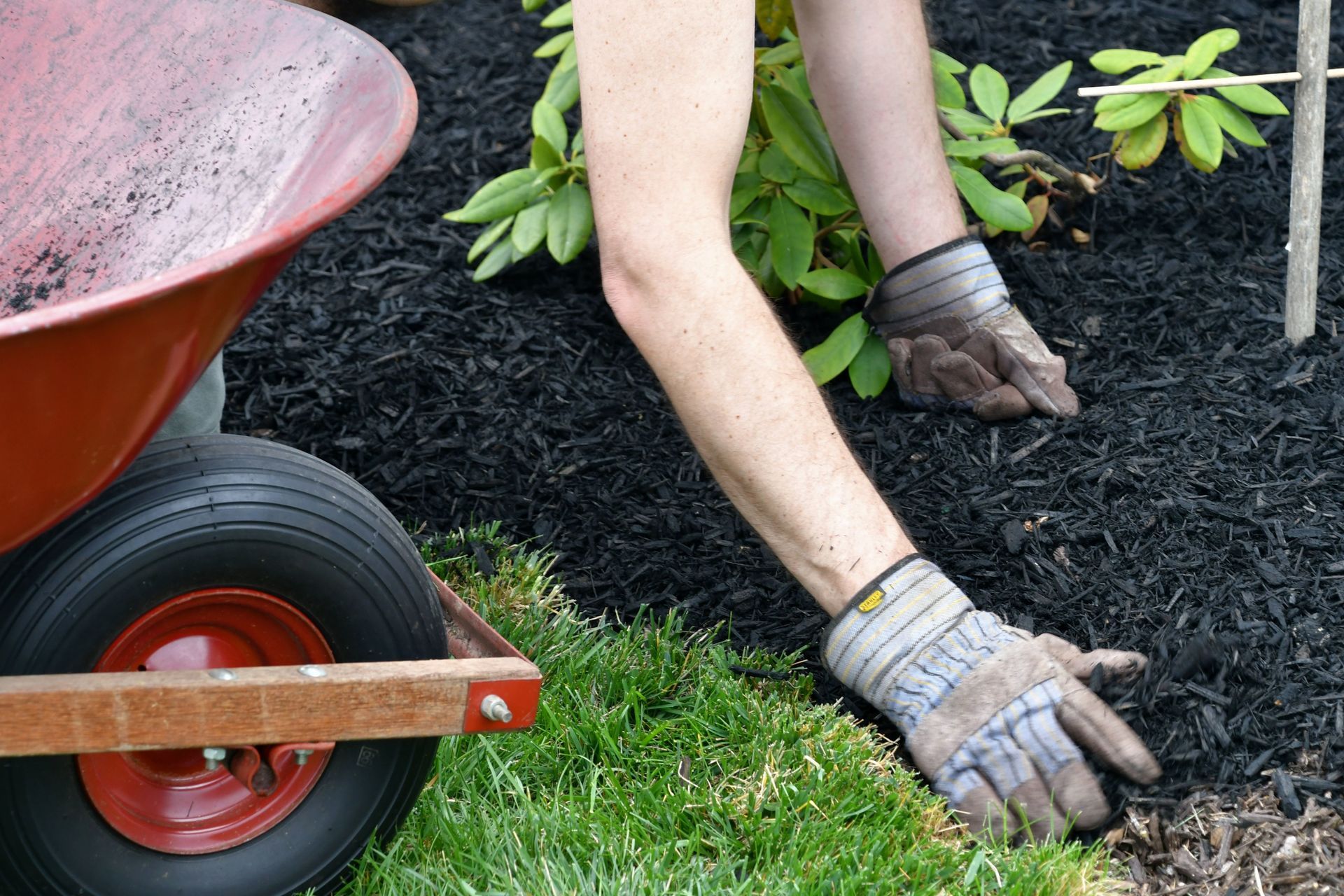
A layer of shredded leaves helps insulate roots through freeze and thaw cycles, holds moisture, and breaks down into organic matter by spring. It is also free.
How to Use Them
Shred leaves first, since whole leaves can mat into a wet layer that blocks air and water. Spread a few inches around perennials and shrubs, keeping leaves away from direct contact with stems and trunks. In spring, you can work the broken-down leaves into the soil or top them with fresh mulch. If you prefer a finished look for the growing season, switch to bark mulch in spring as part of a bed refresh.
Leaves and Pollinators
Many beneficial insects, including some butterflies and native bees, overwinter in leaf litter. Leaving a layer of leaves in beds or naturalized corners of the yard gives them shelter. You do not need to leave leaves on the lawn to help them.
Special Cases: Oak, Black Walnut, and Pine Needles
Not all leaves behave the same way, and a few common Hudson Valley trees deserve extra thought.
Oak Leaves
Oak leaves are thick and waxy, so they break down slowly and are more likely to mat if left whole. They are fine to mulch or compost, but shred them well first. Concerns about oak leaves making soil dangerously acidic are mostly overstated once the leaves have broken down.
Black Walnut
Black walnut leaves, husks, and roots contain juglone, a compound that can harm sensitive plants like tomatoes and some ornamentals. Many gardeners keep fresh walnut leaves out of vegetable gardens and away from sensitive beds. Juglone breaks down over time in a compost pile, so aged compost is generally considered safe.
Pine Needles
Pine needles break down slowly and stay loose rather than matting, which makes them a good mulch around shrubs and acid-loving plants like rhododendrons and azaleas. They do not need to be removed from beds unless they are blocking light to low plants.
Leaves and Your Fall Lawn Care Plan
Leaf management fits into a bigger picture of getting your lawn ready for winter.
Overseeding and Fertilizing
Early fall is the best time to overseed thin areas and fertilize cool-season grasses like the Kentucky bluegrass, fescue, and ryegrass common in Poughkeepsie lawns. New seedlings need sunlight, so keeping leaves off newly seeded areas matters more than anywhere else in the yard.
Mowing and Leaves Together
Mulch-mowing leaves doubles as regular fall mowing, so the two jobs work together. If you are wondering how the season ends, our guide to
summer lawn care explains how the lawn recovers in fall, and our guide on when to stop mowing covers the final cut of the year.
When to Remove Leaves
Sometimes leaves need to go. Removal is usually the best choice when:
- The layer is thick enough to bury the grass, even after mowing.
- Leaves are wet and matted, especially after rain or early snow.
- Leaves cover the lawn going into winter, when they can smother turf and encourage snow mold.
- Leaves are diseased, and you do not want them in beds or compost.
- Leaves collect on walks, patios, and driveways, where they stain concrete and create slip hazards.
- Gutters, window wells, and drains are clogged.
- You have more leaves than space to compost or mulch.
Curbside vs. Haul-Away
Many Dutchess County municipalities offer fall leaf collection, but rules vary on whether leaves must be bagged, placed loose at the curb, or follow a specific schedule. Check with your town or city before raking leaves to the street. If your property is large or your town's pickup does not fit your timing, a crew can bag or haul leaves away for you. If you are comparing companies, our guide on
how to choose a landscaping company in Poughkeepsie covers the questions to ask. Learn more about our
leaf cleanup services.
What Not to Do With Leaves
A few common habits cause more problems than they solve.
Do Not Burn Leaves
New York State prohibits burning leaves. Beyond the legal issue, leaf smoke is a respiratory irritant for neighbors.
Do Not Blow Leaves Into the Street or Storm Drains
Leaves blown into the street can clog storm drains, causing local flooding, and the nutrients they carry wash into streams and eventually the Hudson River. Many municipalities have rules against it.
Do Not Leave a Thick Mat on the Lawn
A heavy, wet layer of leaves blocks light and air from the grass, traps moisture, and creates conditions for snow mold and other fungal problems. It can leave bare or dead patches by spring.
Do Not Pile Leaves Against the House
Leaves piled against the foundation hold moisture and give mice and other pests a place to nest close to the house.
Timing Leaf Work in the Hudson Valley
When you deal with leaves matters almost as much as how.
Peak Drop
In the Hudson Valley, most trees drop their leaves from mid-October through November, with oaks often holding on into late fall. Mulch-mowing weekly during peak drop keeps the layer manageable.
The Late Fall Carpet
The last wave of leaves often comes after most cleanups are done. That is why many homeowners schedule two fall visits: one during heavy drop and one for the final layer before snow. This also lines up with your last mowing of the year. Our guide on when to stop mowing your lawn in the fall explains how to time the final cut.
Spring Leftovers
Leaves that blow in over winter or were missed in the fall should be cleared once the ground firms up in spring, so grass can green up evenly.
Get Help With Leaf Cleanup in Poughkeepsie
If you would rather spend fall weekends doing something other than raking, our crews can clear lawns, beds, and hard surfaces and either stage leaves at the curb or haul them away. We also offer lawn mowing and bush trimming to wrap up the season, and you can learn more about our team.
Call or text Blue Collar Landscaping at (845) 394-9409 or
contact us for a free estimate in Poughkeepsie and nearby Dutchess County towns.
Frequently Asked Questions
Is it OK to leave leaves on the lawn over winter?
A light layer of finely chopped leaves is fine and can benefit the soil. A thick, whole-leaf layer is not, because it can smother the grass, trap moisture, and encourage snow mold. If you cannot see grass through the leaves, remove some of them.
Is it better to mulch or rake leaves?
Mulching is better when the leaf layer is light enough to chop finely with a mower, since it returns nutrients to the soil and saves time. Raking or removal is better when leaves are thick, wet, matted, or diseased.
Can I put leaves in my garden beds?
Yes. Shredded leaves make a good winter mulch for flower and shrub beds. Shred them first so they do not form a wet mat, and keep them away from direct contact with plant stems.
Can you burn leaves in New York?
No. Burning leaves is prohibited in New York State. Instead, mulch them, compost them, use them in beds, or use your town's leaf collection program.
When should I do my final leaf cleanup?
Do your final cleanup after most trees, including late-dropping oaks, have lost their leaves and before the first lasting snow. In the Hudson Valley, that is often in mid to late November.
Recent Posts