Front Yard Landscaping Ideas That Instantly Boost Curb Appeal
July 23, 2026
Call Or Text

The best front yard landscaping ideas fall into a few clear directions: layered foundation beds and a strong focal point for instant curb appeal, a defined style (modern, cottage, or natural), budget and small-yard tricks that stretch a smaller project, and hardscape and lighting touches that make the whole yard read as finished. This guide walks through each with specific, usable ideas for Hudson Valley homes.
At Blue Collar Landscaping, we design and maintain front yards across Poughkeepsie and the surrounding Dutchess County towns, from Wappingers Falls and Fishkill to Hyde Park and Rhinebeck. We plant for our actual USDA Zone 6 winters and clay-heavy soil every season, so the ideas below are the ones that hold up here, not just the ones that look good in a warmer climate.
Use the guide to jump to the ideas that fit your home, then see which plants actually thrive in the Hudson Valley at the end.
In This Guide
- Front yard ideas that boost curb appeal: Foundation beds, focal points, and symmetry.
- Front yard ideas by style: Modern, cottage, and natural looks.
- Budget-friendly and small-yard ideas: Get more impact for less.
- Hardscape and lighting ideas: Walkways, edging, and low-voltage lights.
- Front yard ideas that add resale value: What buyers notice first.
- Plant ideas for the Hudson Valley climate: What thrives in Zone 6.
- Frequently asked questions: Quick answers to common questions.
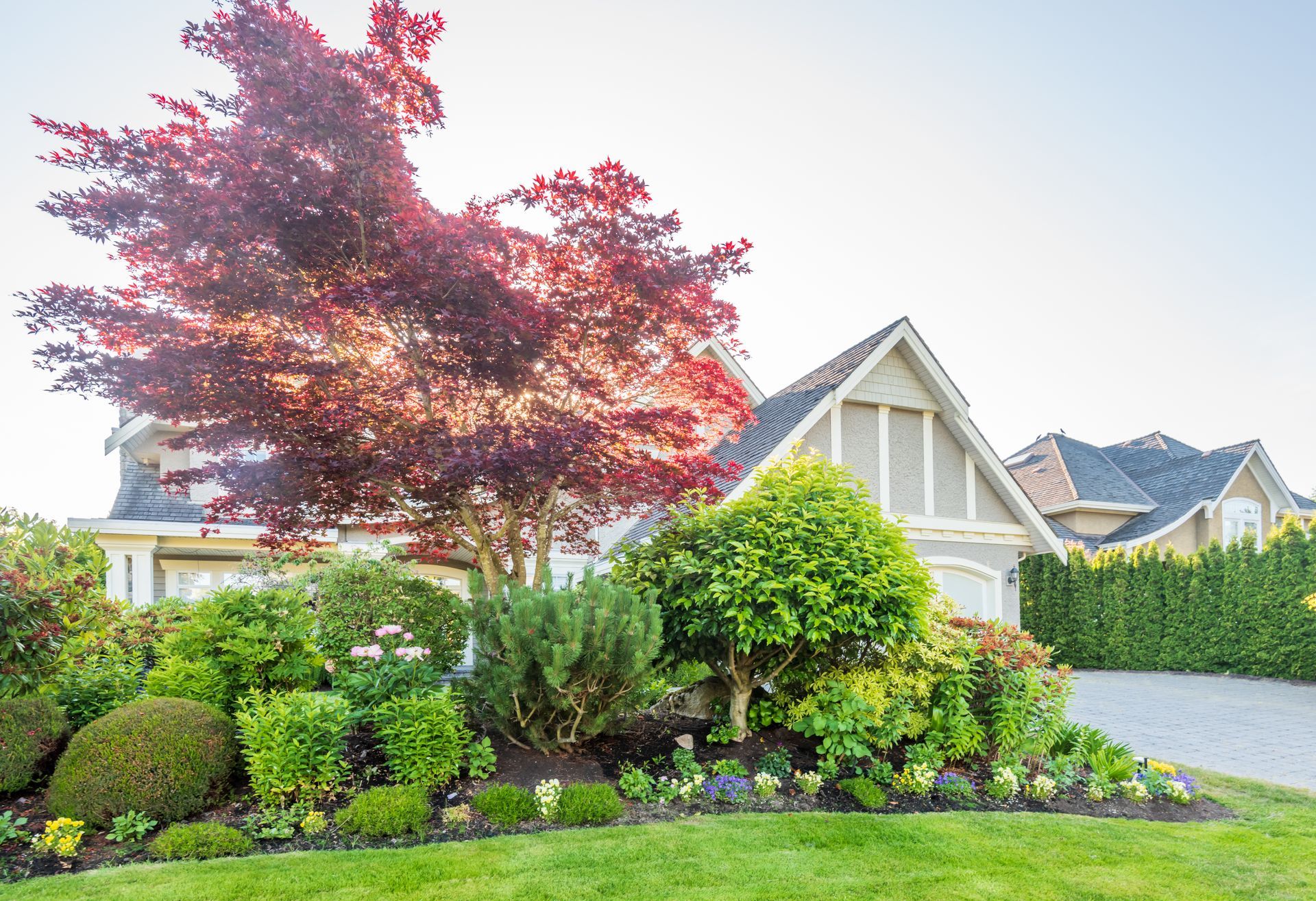
Front Yard Ideas That Boost Curb Appeal
Curb appeal comes down to a few reliable moves that make a front yard look intentional from the street. These are the ideas that deliver the biggest visual return.
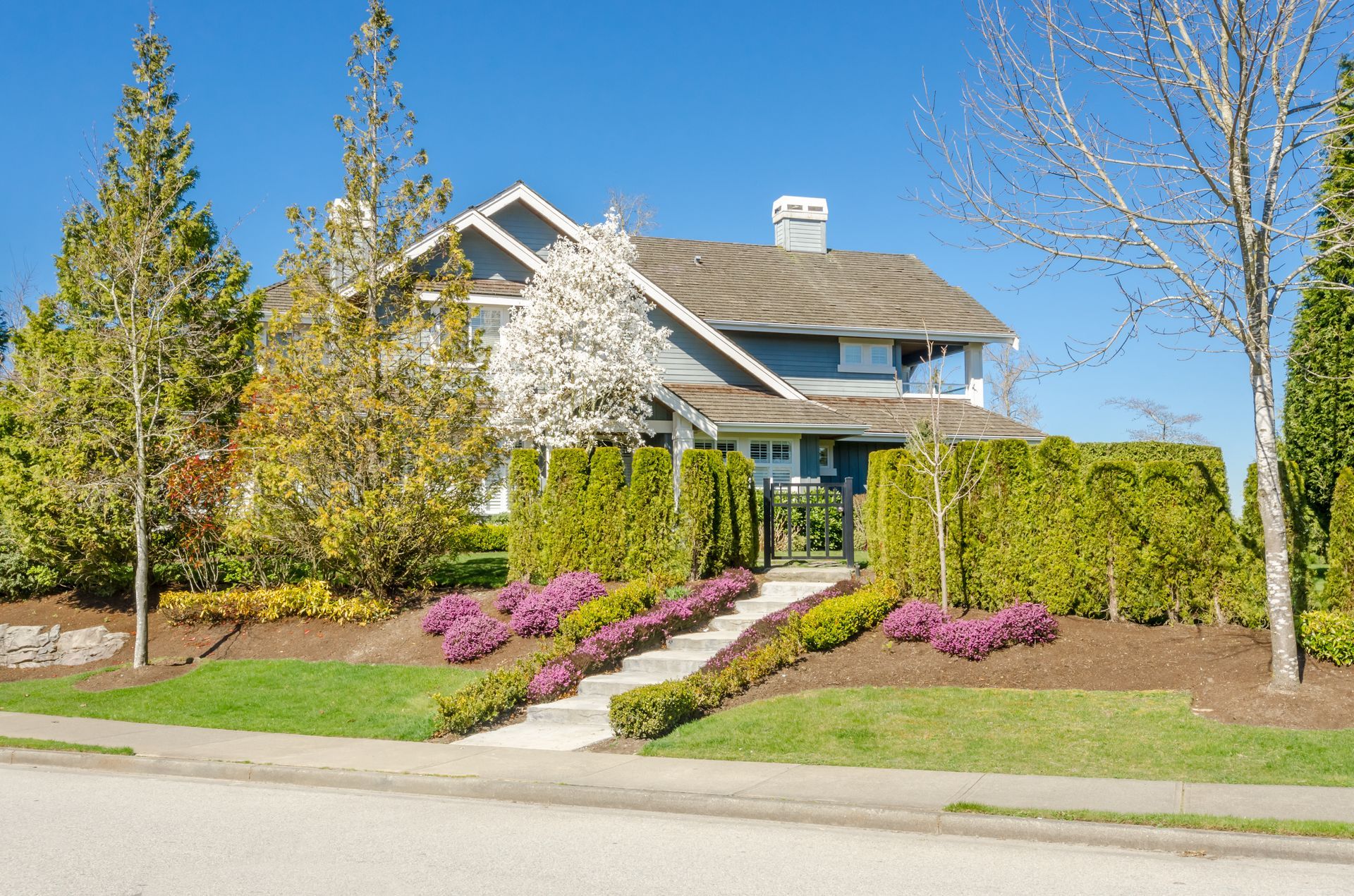
Layer Your Foundation Beds
The beds along the front of the house set the tone, and layering is what makes them look professional. Arrange plants in tiers so nothing hides behind anything else.
- Tall anchors like upright shrubs or a small tree at the corners of the house.
- Mid-height plants such as hydrangeas or ornamental grasses through the middle.
- Low borders of perennials or groundcover along the front edge.
A crisp, defined bed edge and fresh mulch tie the layers together and instantly sharpen the whole front of the house.
Depth matters as much as height. Pulling the beds a little farther out from the foundation, rather than a thin strip against the wall, gives plants room to fill in and makes the house look settled into the landscape instead of perched on bare ground. Aim for beds at least three to four feet deep along the main face of the house.
Create a Clear Focal Point
Every strong front yard has one thing the eye lands on first. Without it, even a well-planted yard can feel busy and unfocused.
Good focal-point ideas include a specimen tree like a Japanese maple, a flowering shrub cluster, a decorative boulder, or a well-framed front entry. Pick one and let the rest of the planting support it rather than compete.
Placement is part of the trick. A focal point works best set slightly off-center or angled toward the main approach to the house, so it draws the eye naturally as someone arrives rather than sitting dead center like a bullseye. Repeating one supporting plant or color around it helps the whole yard feel connected to that anchor.
Use Symmetry Near the Entry
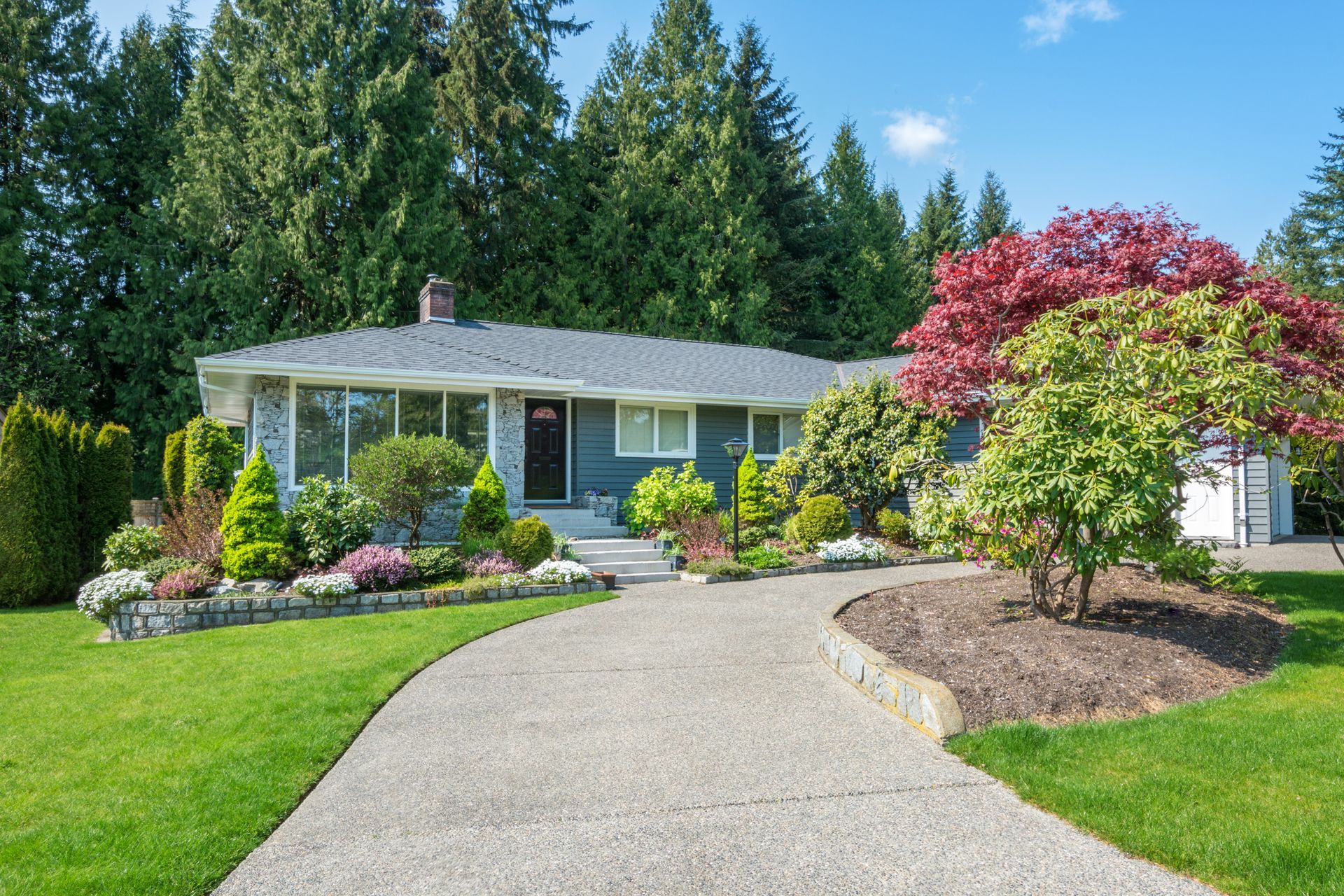
Symmetry reads as tidy and welcoming, which is exactly the feeling you want at the front door. Matching planters, paired shrubs, or mirrored beds on either side of the walkway create instant order and a sense of balance.
You do not need to make the whole yard symmetrical. Concentrating it near the entry is enough to make the home feel cared for.
Front Yard Landscaping Ideas by Style
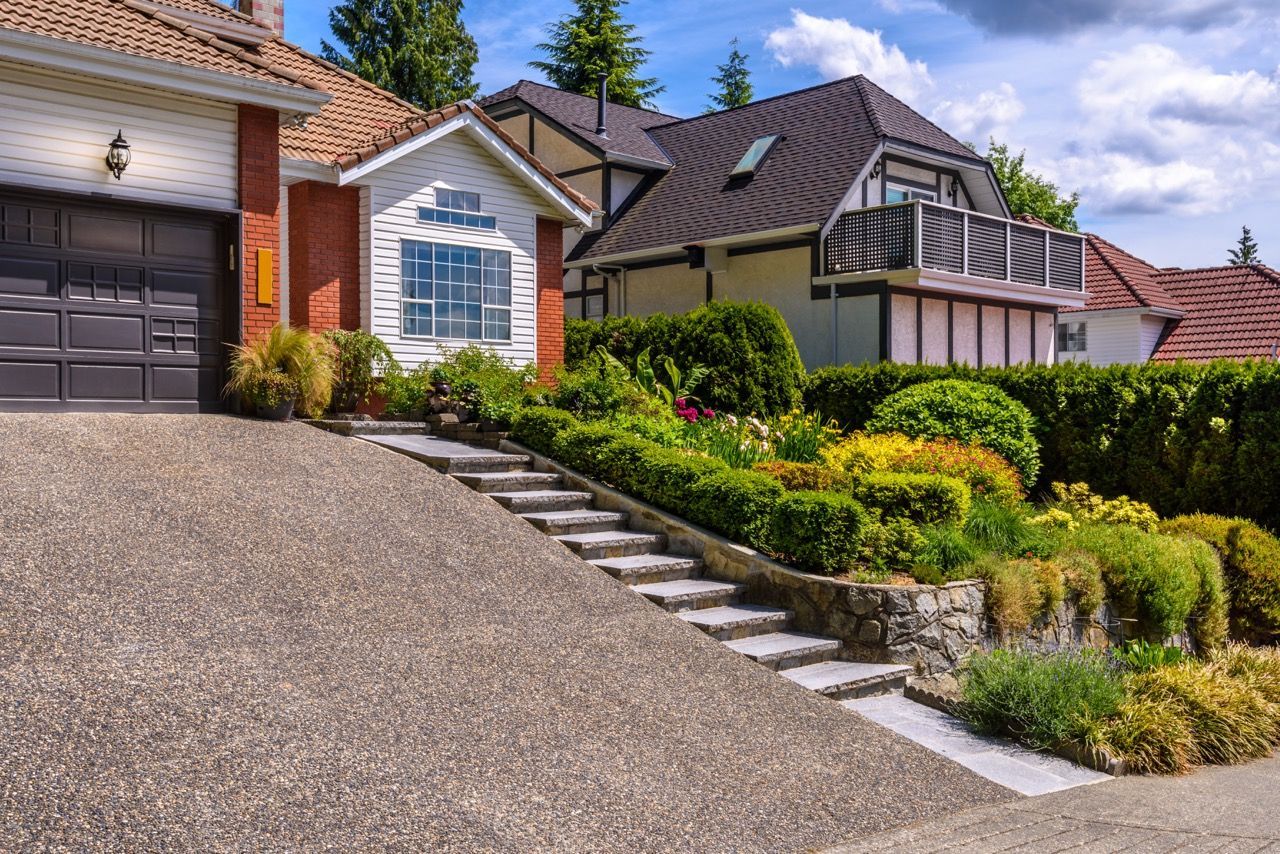
Once the structure is set, style gives the yard its personality. Most Hudson Valley front yards land in one of three directions.
Modern and Clean
A modern front yard leans on simple lines, a limited plant palette, and repetition. Blocks of ornamental grasses, clipped boxwood, and a mix of hardscape and gravel create a calm, contemporary look.
Keep colors restrained and let form and texture do the work. This style pairs well with newer homes and bold architecture.
Repetition is the key discipline here. Planting the same few species in clean groupings, rather than one of everything, is what separates a modern look from a random one. A band of gravel or a strip of clean groundcover between the lawn and the beds reinforces the crisp, deliberate feel.
Cottage and Traditional
A cottage look is full, layered, and colorful, with perennials spilling over bed edges and a mix of bloom times for season-long color. Think hydrangeas, coneflowers, daylilies, and a picket or stone border.
This style suits older Hudson Valley homes and farmhouses, and it rewards a bit more seasonal upkeep with a lush, welcoming feel.
The trick to keeping cottage style from looking messy is a firm edge. A defined bed line, a low border, or a picket fence gives all that exuberant planting a clean frame, so the fullness reads as intentional abundance rather than neglect.
Natural and Native
A natural style uses native and naturalized plants arranged in loose, informal drifts. It looks relaxed, supports pollinators, and tends to be more resilient once established.
Native grasses, black-eyed Susans, and serviceberry work well and handle our climate with less fuss. This look blends beautifully with the wooded settings common across Dutchess County.
Comparing the Three Styles
Not sure which direction fits? This table lays out how the three styles compare on the factors homeowners ask about most.
| Style | Look | Best Home Type | Upkeep Level |
|---|---|---|---|
| Modern | Clean lines, limited palette, repetition | Newer or contemporary homes | Low to moderate |
| Cottage | Full, layered, colorful blooms | Older homes and farmhouses | Moderate to high |
| Natural / native | Loose, informal, pollinator-friendly | Wooded or rural lots | Low once established |
Many front yards blend two of these, such as a clean modern structure softened with native, low-upkeep plantings. There is no wrong answer as long as the style suits the house.
Budget-Friendly and Small-Yard Ideas
You do not need a large yard or a large budget to make a strong impression. These ideas focus impact where it counts.
Budget-Friendly Front Yard Ideas
- Fresh mulch and clean edging deliver the biggest visible improvement for the least money.
- Perennials over annuals cost more up front but return every year instead of being replanted.
- Divide and spread existing plants you already have to fill beds for free.
- Start with the entry and one focal bed rather than redoing the whole yard at once.
Phasing the project across a couple of seasons keeps costs manageable while the yard steadily improves.
Timing purchases helps, too. Buying perennials and shrubs at end-of-season nursery sales, or planting slightly smaller specimens that fill in over a year or two, cuts the plant budget significantly without changing the final result. The lawn itself is often the cheapest high-impact element, since consistent mowing and edging make even simple plantings look polished.
Small Front Yard Ideas
A small front yard benefits from restraint. Choose a few well-placed plants and a single focal point instead of crowding in variety.
Vertical elements like a narrow columnar tree or a trellis add interest without eating up ground space, and container plantings near the door add color where there is no bed room. Keeping the plant list short makes a small yard feel deliberate rather than cluttered.
Scale the elements to the space, too. Oversized plants or a wide sweeping walkway can overwhelm a small front yard, while right-sized dwarf shrubs and a proportional path keep everything in balance. Repeating just two or three plant types across the yard creates a cohesive look that makes even a compact space feel designed.
Hardscape and Lighting Ideas
Plants get the attention, but the hard elements are what make a front yard feel complete and usable year-round.
Walkways and Edging
A defined walkway guides visitors to the door and organizes the whole yard. Widening a narrow path or replacing plain concrete with pavers or natural stone is one of the highest-impact upgrades available.
- Paver or bluestone walkways add texture and a custom feel.
- Steel or stone bed edging keeps mulch in and grass out for a clean line.
- A widened front stoop or landing makes the entry feel more generous.
Bluestone is a particularly good fit for the Hudson Valley, since it is a regional material that suits both historic and modern homes and holds up well to freeze-and-thaw winters.
Landscape Lighting
Low-voltage lighting extends curb appeal into the evening and adds a layer of safety along paths and steps. A few well-placed fixtures make a bigger difference than lining the whole walkway.
Uplighting a specimen tree, washing light across the front facade, and lighting the path edges are the three ideas that consistently look best. Warm-toned bulbs keep the effect inviting rather than harsh.
LED fixtures on a simple timer or photocell keep running costs low and the lighting consistent night to night. Start with a few key fixtures and add more later if needed; a restrained lighting plan almost always looks more elegant than one that tries to light everything at once.
Front Yard Ideas That Add Resale Value
If you are planning to sell, front yard landscaping is one of the first things buyers judge, often before they step out of the car. A few targeted ideas signal that the home is well cared for.
Focus on First Impressions
Buyers form an opinion in seconds, so put the effort where it shows from the street and the listing photos.
- A tidy, edged lawn and fresh mulch read as move-in ready.
- A clean, welcoming entry with symmetry and a pop of color near the door.
- Healthy, well-pruned shrubs rather than overgrown foundation plantings.
Choose Low-Risk, Broad-Appeal Plants
When selling, avoid highly personal or high-maintenance plantings that could put off a buyer. Neutral, well-kept beds appeal to the widest audience.
Stick to classic, hardy choices that look established and easy to care for, since most buyers want a yard that looks great without signaling a lot of work. A modest investment in cleanup and a few strategic plants usually returns more at sale than a full, expensive redesign.
Plant Ideas for the Hudson Valley Climate
Any front yard idea only works if the plants survive our winters. The Hudson Valley sits in USDA Zone 6, so cold hardiness and clay-tolerant roots matter as much as looks.
Reliable Plants for Zone 6
Choosing plants rated for our zone is the difference between a yard that fills in and one you replant every spring. These proven performers handle Hudson Valley winters and our heavier soils.
- Shrubs: boxwood, hydrangea, spirea, and dwarf conifers for year-round structure.
- Perennials: coneflower, black-eyed Susan, daylily, and catmint for repeat color.
- Small trees: Japanese maple, serviceberry, and dogwood as focal points.
- Grasses: switchgrass and little bluestem for texture and winter interest.
Grouping plants with similar water and sun needs keeps them healthy and makes maintenance simpler.
Planning for Four Seasons
A front yard in our region should look good well beyond summer. Mixing evergreens for winter structure, spring bulbs, summer perennials, and plants with fall color keeps the yard interesting all year.
Plan for the view from inside, too. The beds you see from the front windows are worth a few plants chosen for winter berries or colorful bark, so the yard still gives you something to look at during the long Hudson Valley off-season.
If you want a yard that stays sharp with minimal ongoing work, our upcoming guide on low-maintenance landscaping ideas will go deeper, and our
landscape design team can build a planting plan around your schedule. Keeping shrubs shaped with regular
bush trimming and the lawn tidy with routine
mowing keeps any front yard looking its best.
Ready to Refresh Your Front Yard?
These ideas are a starting point, but the right front yard depends on your home, your soil, and how much upkeep you want. At Blue Collar Landscaping, we handle the full process for Poughkeepsie and Dutchess County homeowners, from design through planting and ongoing care.
When you are ready,
reach out for a consultation or browse our
project gallery to see recent front yard work. We will help turn an idea into a yard that looks great from the street and holds up through a Hudson Valley winter.
Frequently Asked Questions
What is the cheapest way to improve my front yard?
Fresh mulch, clean bed edging, and a tidy lawn deliver the biggest visible improvement for the least money. Choosing perennials that return each year over annuals also stretches a budget further over time.
What are good low-maintenance front yard ideas?
Native and Zone 6 hardy plants, groundcovers in place of large lawn areas, and a simple, repeated plant palette all cut down on upkeep. Grouping plants with similar needs and mulching well also reduces watering and weeding.
What plants work best for a front yard in the Hudson Valley?
Cold-hardy, Zone 6 options like boxwood, hydrangea, coneflower, daylily, and Japanese maple are reliable choices. Native plants such as serviceberry and black-eyed Susan handle our climate with the least fuss.
How do I add curb appeal to a small front yard?
Keep the plant list short, add one clear focal point, and use vertical elements like a columnar tree or containers near the door. Restraint makes a small yard feel intentional rather than crowded.
When is the best time to landscape a front yard in New York?
Spring and early fall are ideal for planting in our region, since milder temperatures help roots establish before summer heat or winter cold. Hardscape work like walkways can be done through most of the year.
Title or Question
Describe the item or answer the question so that site visitors who are interested get more information. You can emphasize this text with bullets, italics or bold, and add links.
Recent Posts