15 Low-Maintenance Landscaping Ideas for a Beautiful, Easy-Care Yard
August 26, 2026
Call Or Text

A great-looking yard does not have to eat your weekends. The secret to low-maintenance landscaping is designing with less work built in from the start: less lawn to mow, the right plants in the right places, and tidy beds that mostly take care of themselves. Done well, a low-maintenance yard looks intentional and polished, not neglected, and it saves you hours of mowing, weeding, and watering every season.
At Blue Collar Landscaping, we help homeowners across Poughkeepsie and the Hudson Valley create easy-care outdoor spaces that still look sharp, led by owner Shane Brandemarte and a crew known for neat work and clear communication. These 15 ideas reflect what actually works in our cooler Northeast climate, not a generic national list, and every one of them is aimed at cutting upkeep while keeping curb appeal.
In This Guide
- Rethink the Lawn: Ideas 1 to 4.
- Plant Smarter, Not Harder: Ideas 5 to 9.
- Beds, Mulch, and Edges: Ideas 10 to 12.
- Design Choices That Save Work: Ideas 13 to 15.
- Easy Plants for the Hudson Valley: What thrives here.
- Where to Start: Making it happen.
- Frequently Asked Questions: Quick answers.
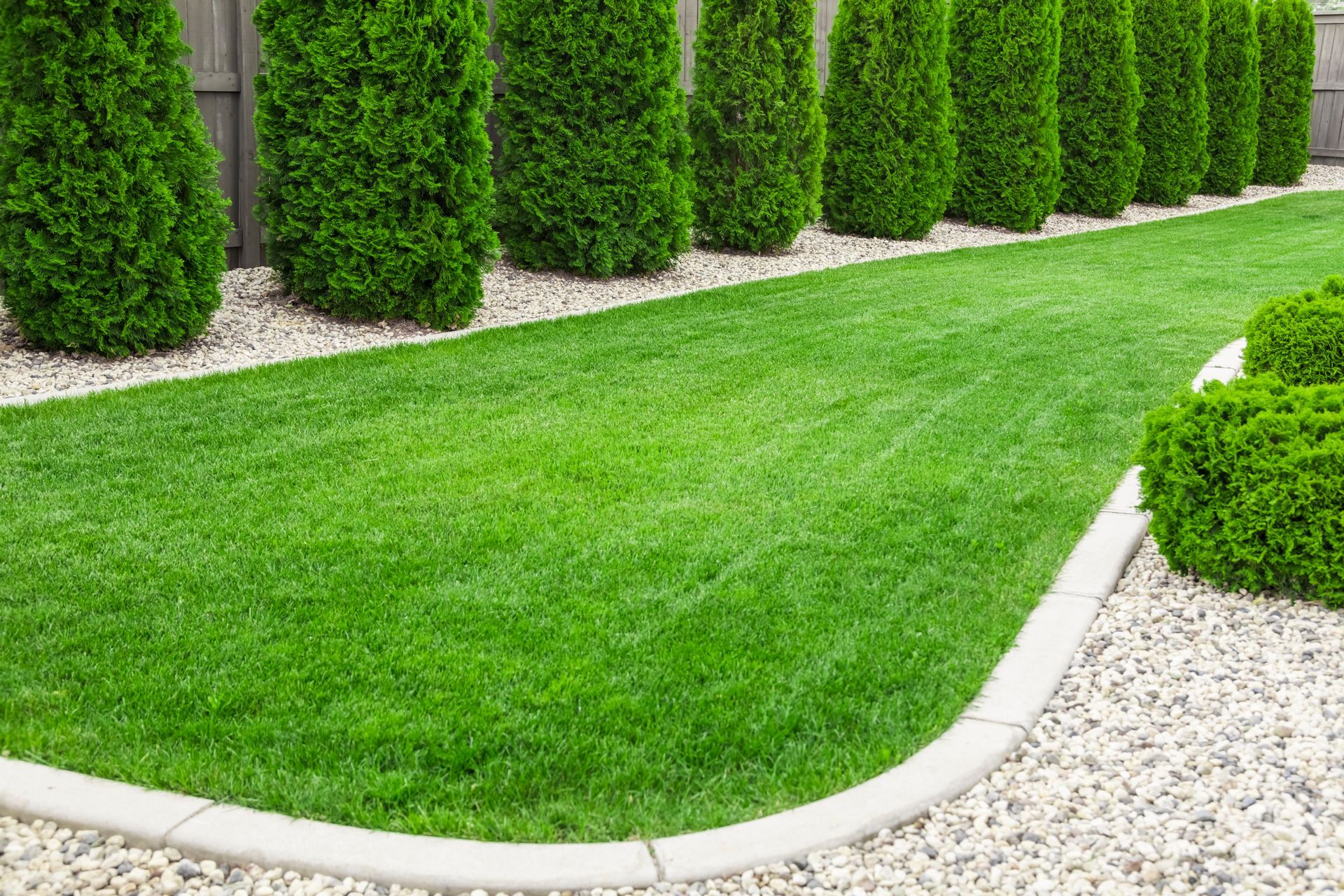
Rethink the Lawn
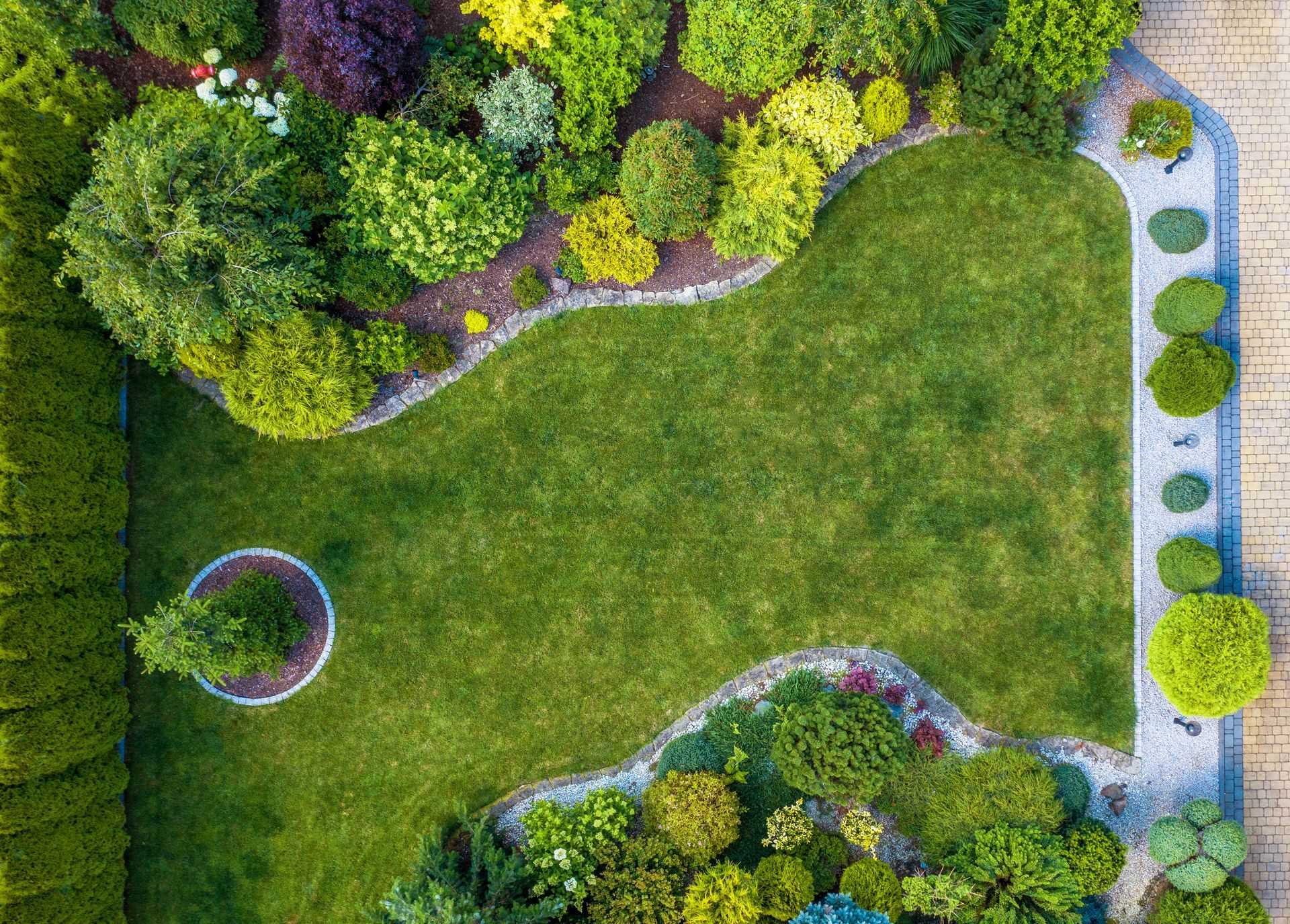
Turf grass is the single most demanding part of most yards, so the biggest maintenance wins come from being strategic about how much lawn you keep and where. You do not have to rip it all out, just make it work smarter.
It helps to remember why lawn is so much work in the first place. A traditional lawn wants regular mowing through the whole growing season, plus watering, feeding, and weed control to stay thick and green, and every one of those tasks repeats week after week. Beds of established shrubs, perennials, and groundcover, by contrast, ask for a fraction of that once they fill in. So the more of your yard you shift from high-input turf to lower-input plantings, the less your total upkeep becomes, without the space looking bare or unfinished. That trade is the foundation every other idea on this list builds on.
- Shrink the lawn to the areas you actually use. Keep turf where you walk, play, or gather, and convert the rest to beds or groundcover. Less grass means less mowing, watering, and fertilizing without losing the open space you value.
- Replace hard-to-mow strips with mulch or groundcover. Narrow side yards, slopes, and the strip along a fence are a hassle to mow. Turning them into mulched beds or low groundcover removes the chore entirely.
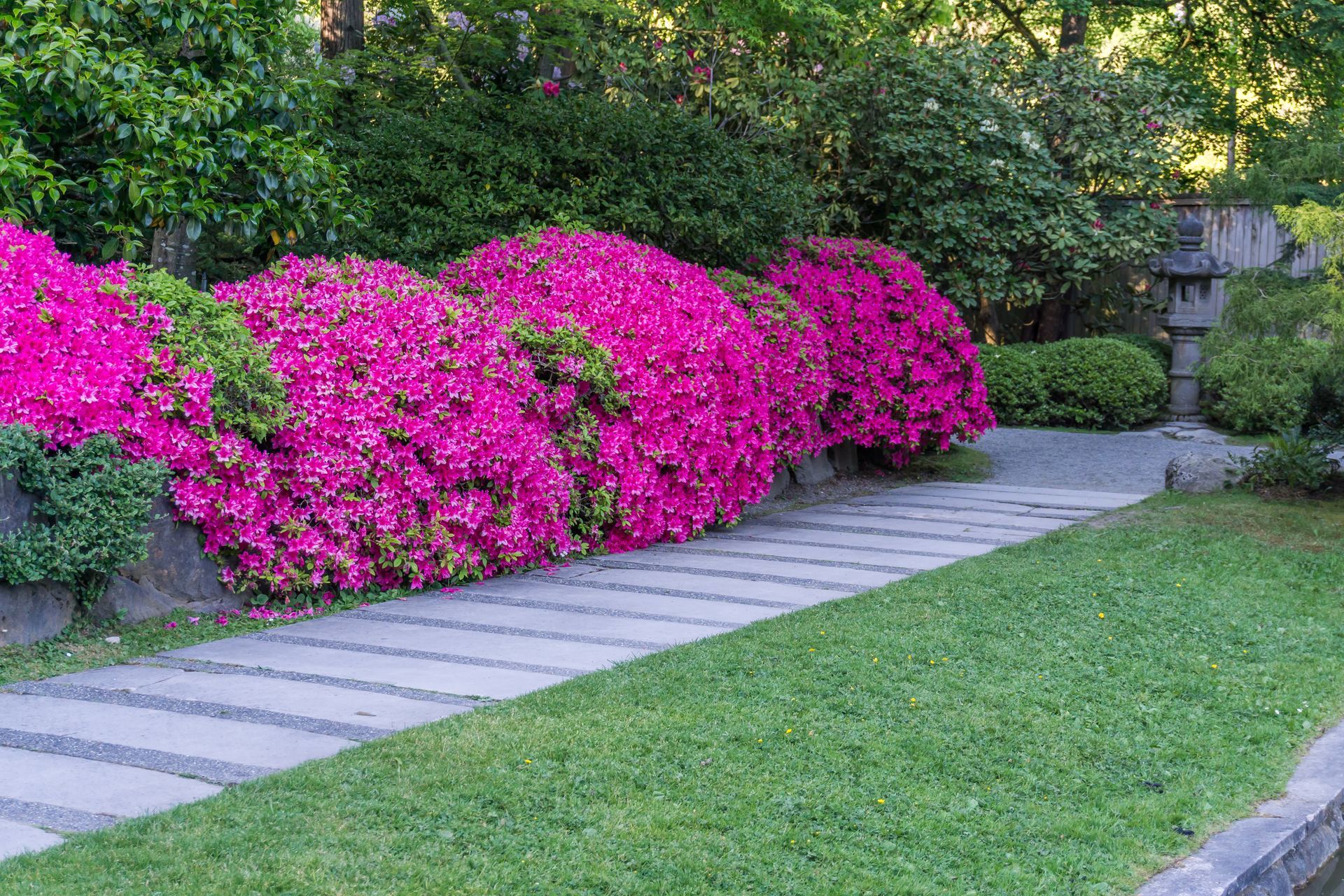
- Add defined pathways through the yard. A gravel or stepping-stone path replaces a worn, hard-to-maintain track of grass and gives the yard structure that reads as designed rather than accidental.
- Choose groundcovers for tough spots. Low, spreading plants like creeping thyme or other hardy groundcovers fill shady or awkward areas where grass struggles, staying green with almost no mowing.
The theme here is simple: every square foot of lawn you replace with a lower-care feature is time and money you get back all season long.
Plant Smarter, Not Harder
The plants you choose determine how much work your yard demands, so this is where a low-maintenance design is truly won or lost. In our climate, the right choices practically run themselves.
- Choose native and regionally adapted plants. Plants native to the Northeast are built for our winters, rainfall, and soils, so they need far less watering, feeding, and fussing than exotic species fighting to survive here.
- Lean on perennials over annuals. Perennials come back year after year, so you plant once instead of replanting every spring, which saves both money and labor over time.
- Use hardy shrubs and ornamental grasses as anchors. Well-chosen shrubs and grasses provide structure, texture, and year-round interest with only occasional trimming, doing a lot of visual work for very little effort.
- Plant in the right place for the light and soil. A plant matched to its spot, sun to sun, shade to shade, thrives without babying, while a mismatched plant needs constant intervention. Right plant, right place is the core of easy care.
- Group plants with similar water needs together. Clustering thirsty plants apart from drought-tolerant ones means you water efficiently instead of overwatering half the yard to keep the other half alive.
Because plant selection depends so much on your specific light, soil, and goals, this is the area where a local designer earns their keep. Our
landscape design service focuses on exactly these plant-forward, low-upkeep plans.
Beds, Mulch, and Edges
Once the plants are right, how you finish the beds decides how much weeding and cleanup you face, and a few smart moves cut that work dramatically. This is where a yard starts to look after itself.
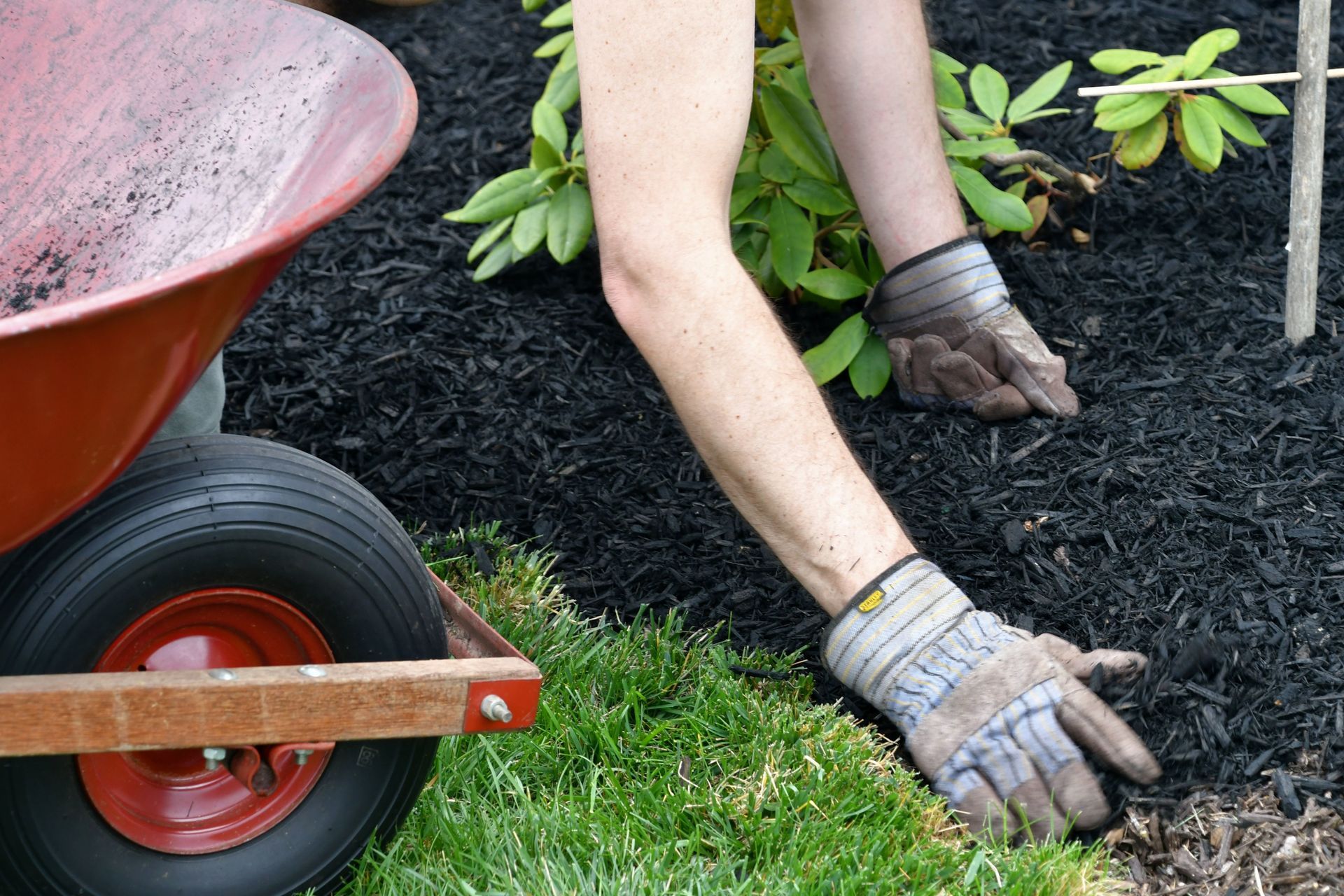
- Mulch generously and refresh it yearly. A good layer of mulch suppresses weeds, holds moisture so you water less, and gives beds a clean, finished look. Refreshing it once a year is one of the highest-return maintenance tasks there is.
- Install clean, defined bed edges. A crisp edge between lawn and beds keeps grass from creeping in, sharpens the whole look, and reduces the trimming and hand-weeding along borders.
- Add landscape fabric only where it makes sense. Under gravel or in low-plant areas, fabric can cut weeds, though it is best kept out of active planting beds where plants need to spread. Used selectively, it saves weeding without causing problems later.
The payoff from good bed work is that a tidy, well-mulched, cleanly edged yard looks cared for even between visits, which is the whole point of low maintenance.
Design Choices That Save Work
Beyond plants and beds, a handful of bigger-picture design decisions quietly reduce upkeep for years, and they are worth planning for from the start. These are the choices that make a yard easy to live with.
- Simplify the layout. Fewer, larger beds with clean shapes are far easier to maintain than many small, fussy ones scattered around the yard. Simplicity reads as elegant and cuts the work.
- Design for all four seasons. Mixing evergreens, perennials, and plants with fall color or winter structure keeps the yard attractive year-round without constant replanting to chase the seasons.
- Match the plan to the upkeep you will actually do. The most sustainable design is one you can keep up with, so be realistic about your time and let a pro help you build a yard that fits your real life, not an idealized one.
Taken together, these choices turn a yard from a constant to-do list into a space that mostly maintains itself, which is what low-maintenance landscaping is really about.
Easy Plants for the Hudson Valley
Low-maintenance design comes down to plant choice more than anything, and the Hudson Valley sits in a cold-winter climate where the wrong plant becomes a constant chore. Choosing species suited to our region is what lets a bed mostly look after itself. The examples below are the kinds of hardy, adaptable plants that reward you with color and structure for very little work here.
For sunny spots, tough perennials and ornamental grasses shine: coneflower, black-eyed Susan, daylily, sedum, and switchgrass all handle our summers and winters and come back reliably year after year. For shade, hostas, ferns, and astilbe fill in beautifully with almost no fuss. For year-round structure, hardy evergreen shrubs like boxwood and juniper hold their shape and color through the seasons, and native shrubs suited to the Northeast anchor beds with minimal trimming. The point is not a strict shopping list but a principle: pick plants built for our climate and they will thrive on rainfall and the occasional tidy-up rather than constant intervention.
| Spot | Easy Options | Why They Work |
|---|---|---|
| Full sun | Coneflower, black-eyed Susan, sedum, switchgrass | Hardy perennials that return each year |
| Shade | Hosta, fern, astilbe | Thrive with little light and low care |
| Year-round structure | Boxwood, juniper, native shrubs | Hold shape and color through winter |
Matching these choices to your yard's specific light and soil is where a designer saves you the trial and error, which is a core part of the plant-forward plans we build.
Where to Start
With fifteen ideas on the table, the hardest part is often knowing where to begin, so start with the change that removes the most work for the least effort. For most homeowners, that means tackling the lawn and the beds first.
A practical order is to shrink or reshape hard-to-mow lawn areas, refresh and properly edge your existing beds, and then layer in native perennials and shrubs where they will thrive. You do not have to do it all in one season; even one or two of these changes noticeably cuts your upkeep. Many homeowners find it easiest to tackle one zone at a time, starting with the front yard for the fastest boost to curb appeal, then working around to side and back areas as budget and time allow. Spreading the project across a couple of seasons also lets you see how new plantings settle in before committing to the next phase. If you would rather skip the planning and guesswork, a local landscaper can assess your property and build a low-maintenance plan suited to your yard, your soil, and the Hudson Valley climate. That is exactly the kind of plant-forward, easy-care design we handle every day.
Create an Easy-Care Yard With Blue Collar Landscaping
A low-maintenance yard is not about doing less; it is about designing smarter so your yard works for you. For plant-forward, easy-care landscaping across Poughkeepsie and the Hudson Valley, Blue Collar Landscaping is ready to help.
Call Blue Collar Landscaping at (845) 394-9409 or
contact us online for a free estimate. Serving Poughkeepsie, Wappingers Falls, Hyde Park, LaGrange, and nearby towns. Explore our
landscape design and
bush trimming services.
Frequently Asked Questions
What is the most low-maintenance landscaping?
The lowest-maintenance yards combine a reduced lawn, native and perennial plants chosen for your climate, and well-mulched beds with clean edges. Native plants need the least water and care because they are adapted to local conditions, and mulch suppresses weeds while holding moisture. Together, these cut mowing, weeding, and watering more than any single change.
How can I make my yard require less work?
Start by shrinking hard-to-mow lawn areas and converting them to mulched beds or groundcover, then choose native perennials and hardy shrubs placed where they naturally thrive. Add clean bed edges and a yearly mulch refresh. These steps reduce the mowing, watering, and weeding that make up most yard work.
Are native plants really lower maintenance?
Yes. Plants native to the Northeast evolved to handle our winters, rainfall, and soils, so once established they need far less watering, fertilizing, and pest control than non-native species. They also support local pollinators. Choosing regionally adapted plants is one of the most effective ways to lower long-term upkeep.
Is mulch or rock better for low maintenance?
Both reduce weeds and upkeep, and each has a place. Mulch improves the soil as it breaks down and suits planting beds, though it needs refreshing yearly. Rock lasts longer without replacement and works well in paths or low-plant areas, but it can trap heat and is harder to change later. Many yards use both where each makes sense.
Can low-maintenance landscaping still look nice?
Absolutely. Low-maintenance design is about smart choices, not bare or boring yards. Clean bed edges, layered native plantings, year-round interest, and a tidy mulch finish create a polished, intentional look. Done right, an easy-care yard often looks better than a high-effort one because it stays consistently neat.
Recent Posts