What Does a Landscape Designer Actually Do? (And When to Hire One)
November 19, 2026
Call Or Text

At Blue Collar Landscaping, we design and install plant-forward landscapes for homes across Poughkeepsie and the east side of the Hudson. Owner Shane Brandemarte and our crew also mow, trim, clean up, and plow many of the same properties, so we see how a design holds up long after installation day. That shapes how we plan: every bed has to look good, survive our winters, and be easy to maintain. This guide explains what a landscape designer really does and how to tell whether your project needs one.
Quick Answer: A landscape designer studies your yard, including its sun, soil, drainage, slopes, deer pressure, and how you use the space, and turns that into a plan. The plan covers bed layout, plant choices, materials, and how everything will be installed and maintained. Hire one when you are starting from bare ground, redoing several beds at once, fighting repeated plant failures, or planning a project in phases. For a simple mulch refresh or swapping a few shrubs, you usually do not need a formal design.
In This Guide
- What a Landscape Designer Does: The core of the job.
- Reading the Site First: The work you do not see.
- Choosing Plants That Survive Here: Zone, deer, and New York rules.
- Shaping Beds and Layout: Lines, layers, and sightlines.
- Designing for Maintenance and Snow: Planning for real upkeep.
- Designer vs. Landscaper vs. Architect: Who does what.
- When to Hire a Landscape Designer: Signs you need one.
- Getting the Most From a Designer: What to bring.
- Talk to a Local Designer: Free estimate.
- Frequently Asked Questions: Quick answers.
What a Landscape Designer Does
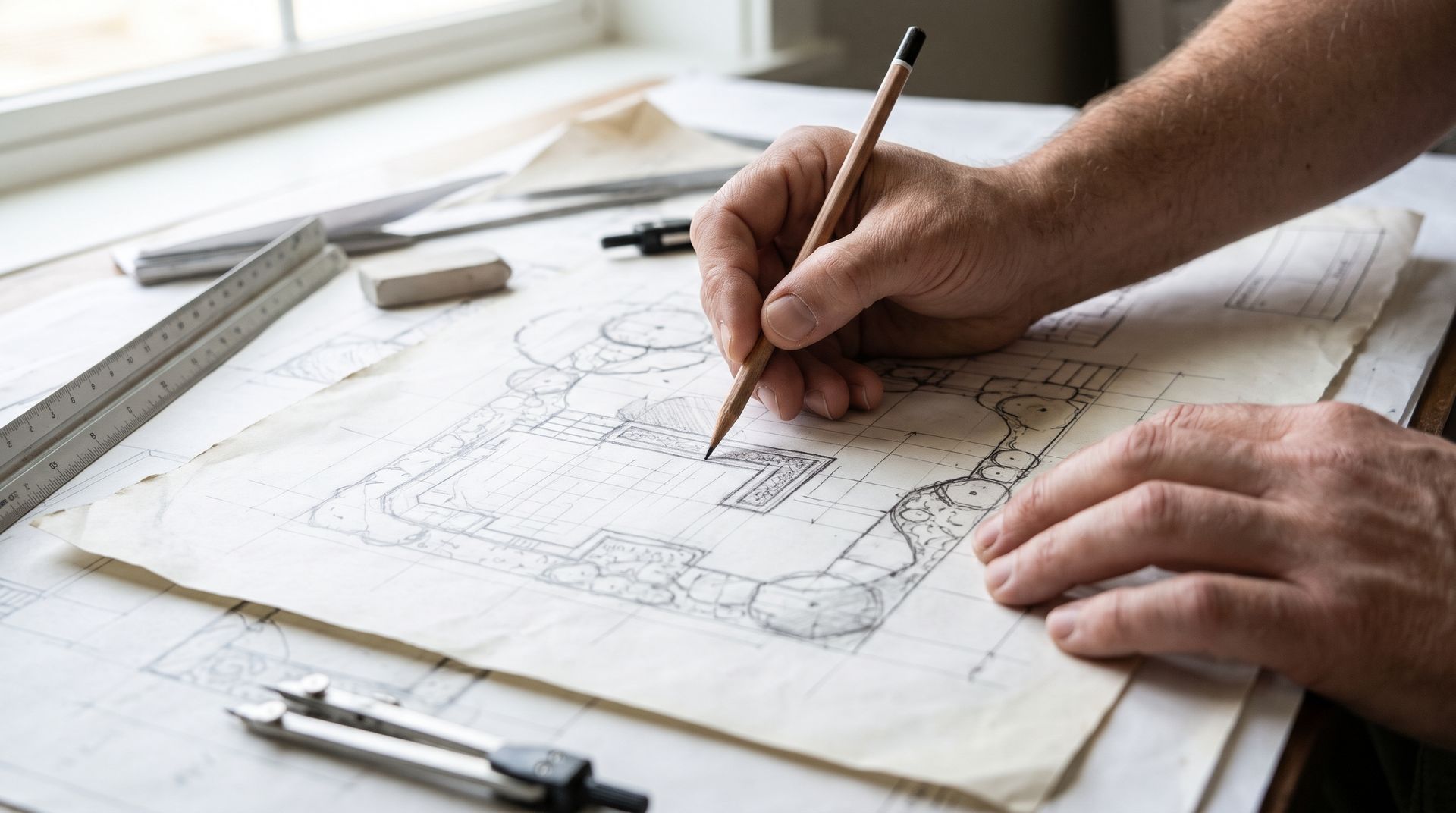
The short version is that a landscape designer decides what goes where, and why, before anyone digs. The plan is the product. Planting is the result.
On a typical residential project, the job includes:
- Assessing the site, including light, soil, water flow, slopes, and existing plants.
- Learning how you use the yard, from where you walk and park to which views you want framed or hidden.
- Laying out beds and planting areas with shapes that fit the house and the way the property is mowed.
- Choosing plants for this climate, your conditions, and the amount of upkeep you want.
- Specifying sizes, quantities, and spacing so the beds fill in without crowding.
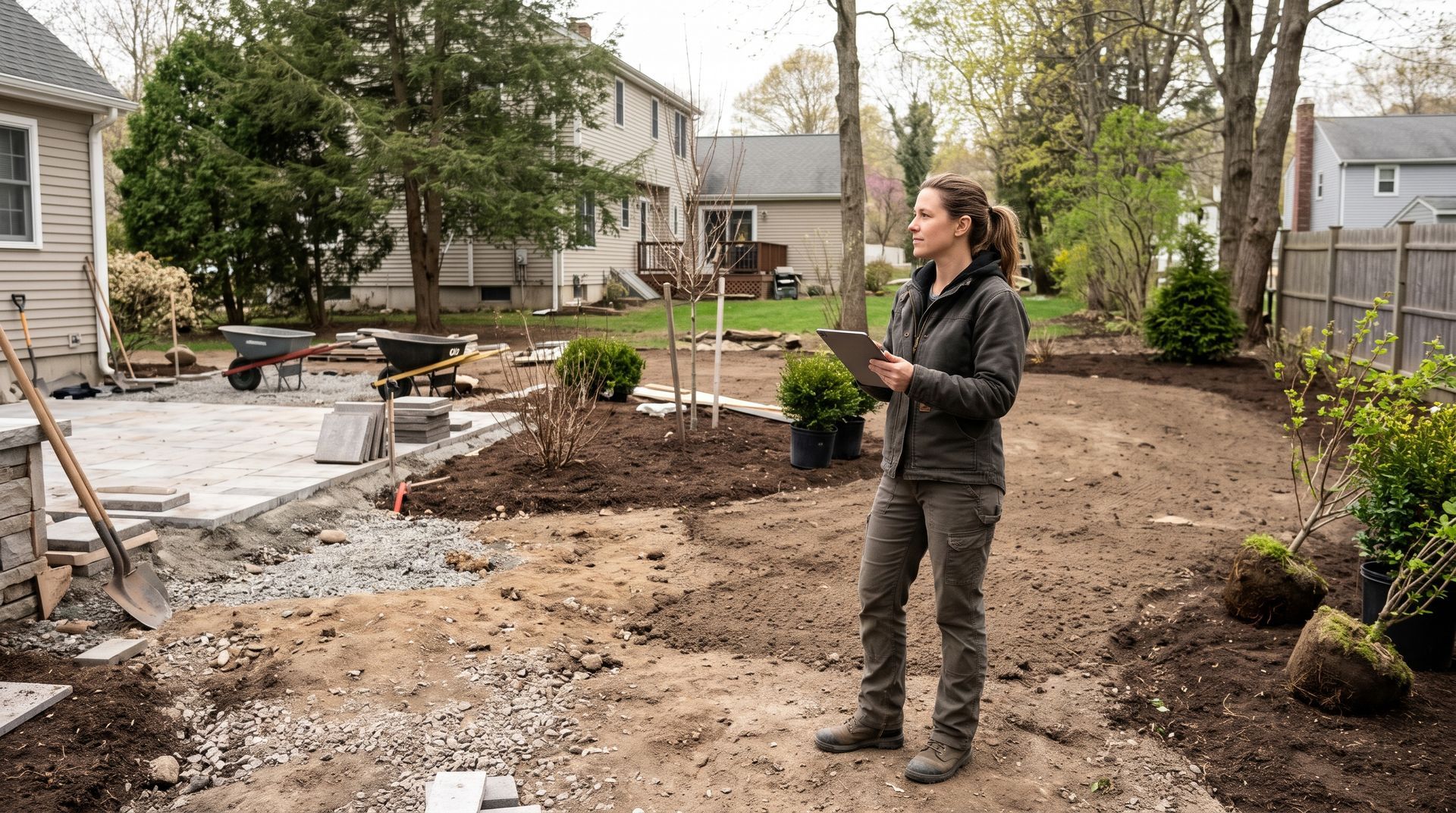
- Planning the install order, including what gets removed, how soil is prepared, and when to plant.
- Building in long-term care, so the design still looks right in five years.
Some designers only hand over a drawing. Others, including design-install crews like ours, plan the work and then build it. Either way, the thinking happens first.
Reading the Site First: The Work You Don't See
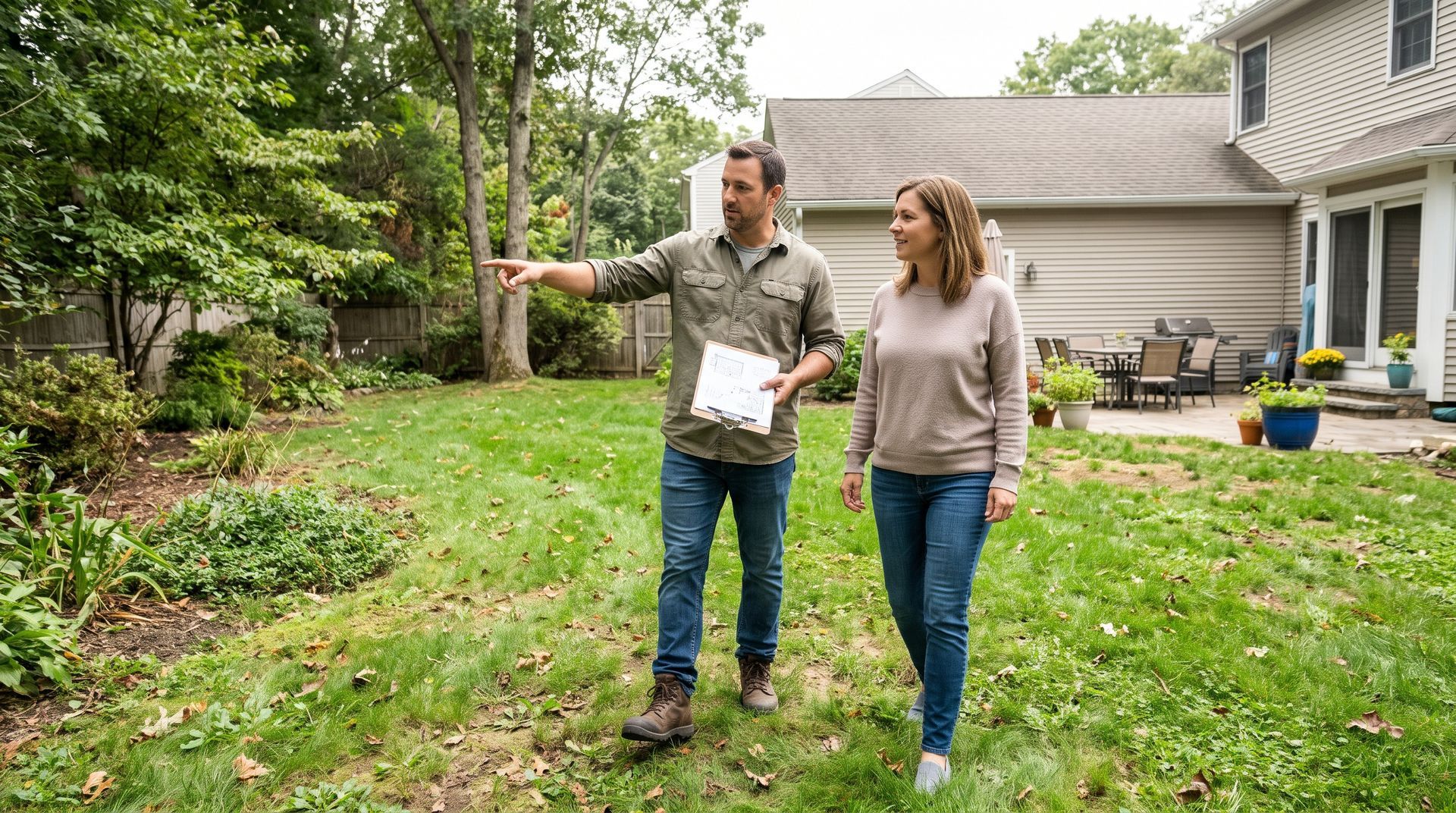
The most valuable part of a design usually happens during the walkthrough, before any plants are picked. A plan that ignores site conditions looks great on paper and fails in the ground.
Light and Shade
Mature oaks and maples shade many older Poughkeepsie and Hyde Park neighborhoods, and the shade moves through the day and the season. A bed that gets morning sun and afternoon shade needs very different plants from one in full western sun along a driveway. A designer notes this before choosing a single plant.
Soil and Drainage
Much of Dutchess County has clay-heavy soil that drains slowly and stays wet in spring. Beds at the bottom of a slope or near a downspout can sit soggy for days after rain, which kills plants that need good drainage. Spotting those wet zones changes both plant choices and bed placement.
Slopes, Views, and Traffic
Designers look at how people actually move through the property, such as the shortcut across the lawn to the side door or the path the mail carrier takes. They also look at what you see from the kitchen window and what the street sees. Good design works with those patterns instead of fighting them.
Utilities and Existing Plants
Before digging, utility lines need to be marked by calling 811, which is free in New York. A designer also decides which existing shrubs are worth keeping. Saving healthy, well-placed plants can cut the cost of a project and give new beds instant maturity.
Choosing Plants That Survive Here
Plant selection is where local knowledge pays off most. A plant list copied from a national magazine often fails in a Hudson Valley yard within a season or two.
Hardiness and Deer Pressure
Most of our service area falls in USDA Zones 5b to 6a, so plants need to handle real cold. Deer are just as big a factor. In many Dutchess County neighborhoods, deer will strip hostas, arborvitae, and many evergreens bare over a single winter. A designer working here leans on plants deer tend to avoid, and places the ones they like closer to the house or behind other plantings.
New York's Invasive Plant Rules
New York regulates the sale of invasive plants under state rules known as 6 NYCRR Part 575. Japanese barberry, once a staple of foundation beds, is prohibited from sale in New York, apart from a few exempt cultivars. Burning bush can still be sold but is regulated and must carry an invasive species warning label. A good designer knows these rules and suggests alternatives that give similar color or structure without the downside.
Right Plant, Right Spot, Right Size
Most overgrown foundation beds we renovate share the same problem: shrubs planted for how they looked in the nursery pot, not how big they get. A designer chooses plants by their mature size so they do not swallow windows, walkways, and air conditioners in a few years. Our guide to
low-maintenance landscaping ideas
covers many of the tougher choices we use.
Shaping Beds and Layout
Plants get the attention, but layout is what makes a yard look intentional.
Bed Lines That Work With the Mower
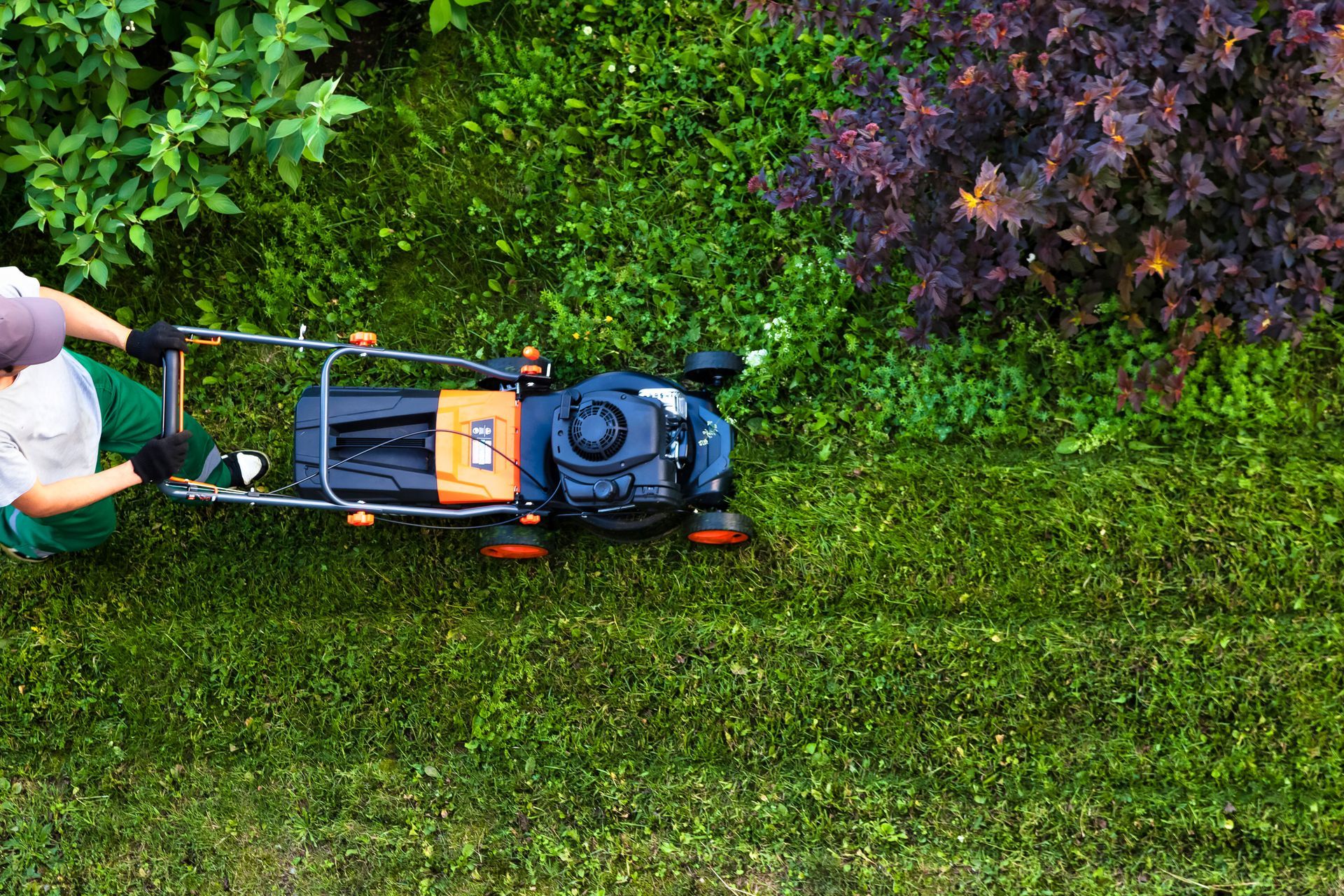
Smooth, sweeping curves read as finished and are easy to mow along. Tight zigzags and small islands look busy and take extra time every visit. Designers shape beds with maintenance equipment in mind.
Layers and Structure
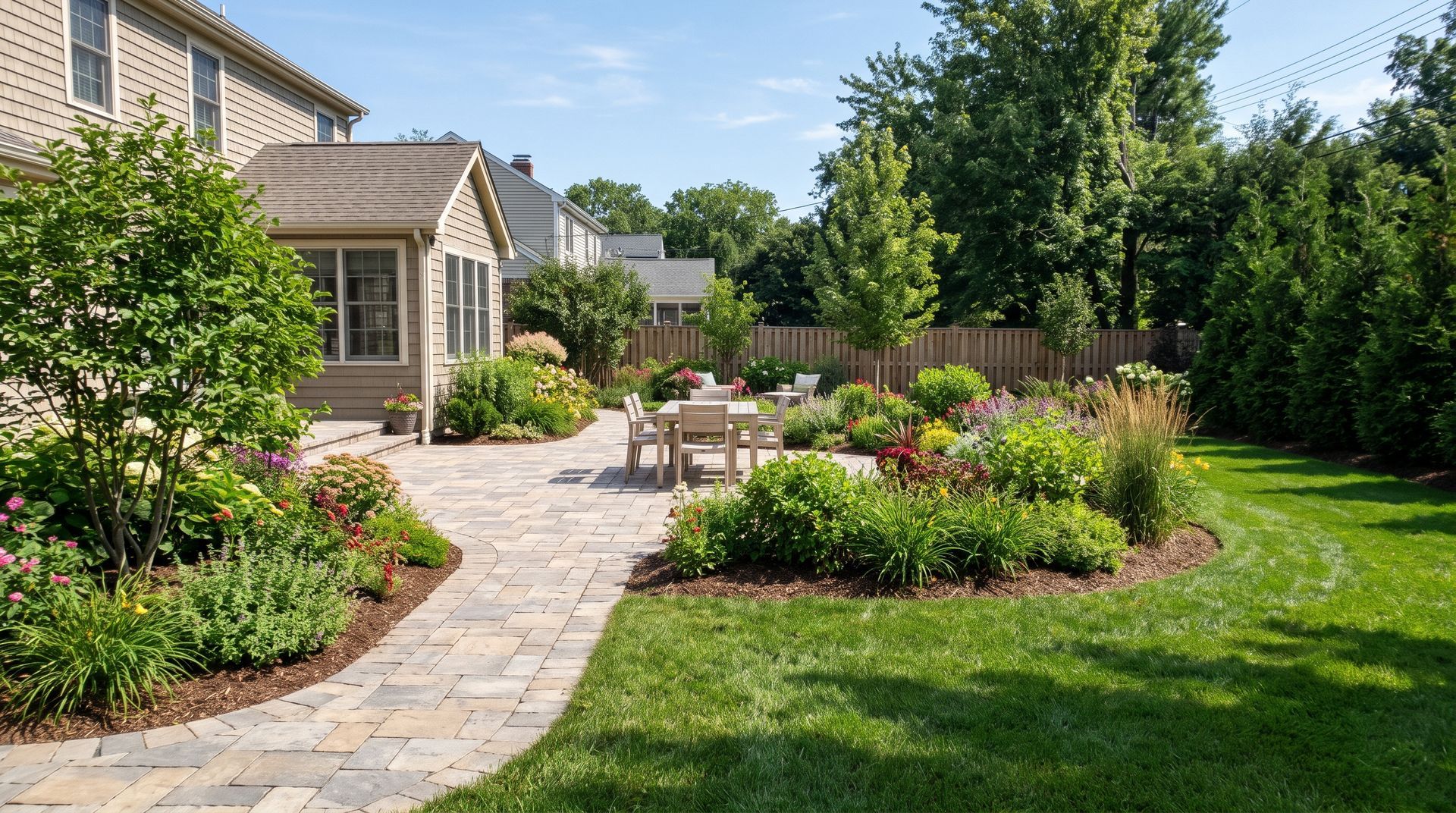
Strong beds usually layer evergreen structure in the back, flowering shrubs in the middle, and perennials or low groundcover in front. That structure carries the bed through winter, when perennials die back. Our post on front yard landscaping ideas shows how this layering boosts curb appeal.
Finishing Materials
The plan also covers what covers the soil, such as shredded hardwood, other mulch, or decorative rock along downspouts and around AC units. Our guide to the
best mulch for flower beds explains how those choices affect plants and upkeep.
Designing for Maintenance and Snow
This is the part many designs skip, and it is where a crew that also maintains properties sees the gaps.
Planning for Real Upkeep
Ask how much time you want to spend on the yard, then design to that. A low-maintenance plan uses fewer plant types, fewer high-pruning shrubs, and clean edges that hold their shape between visits. Plants that need trimming twice a year can be grouped so bush trimming is quick and consistent.
Leaving Room for the Plow
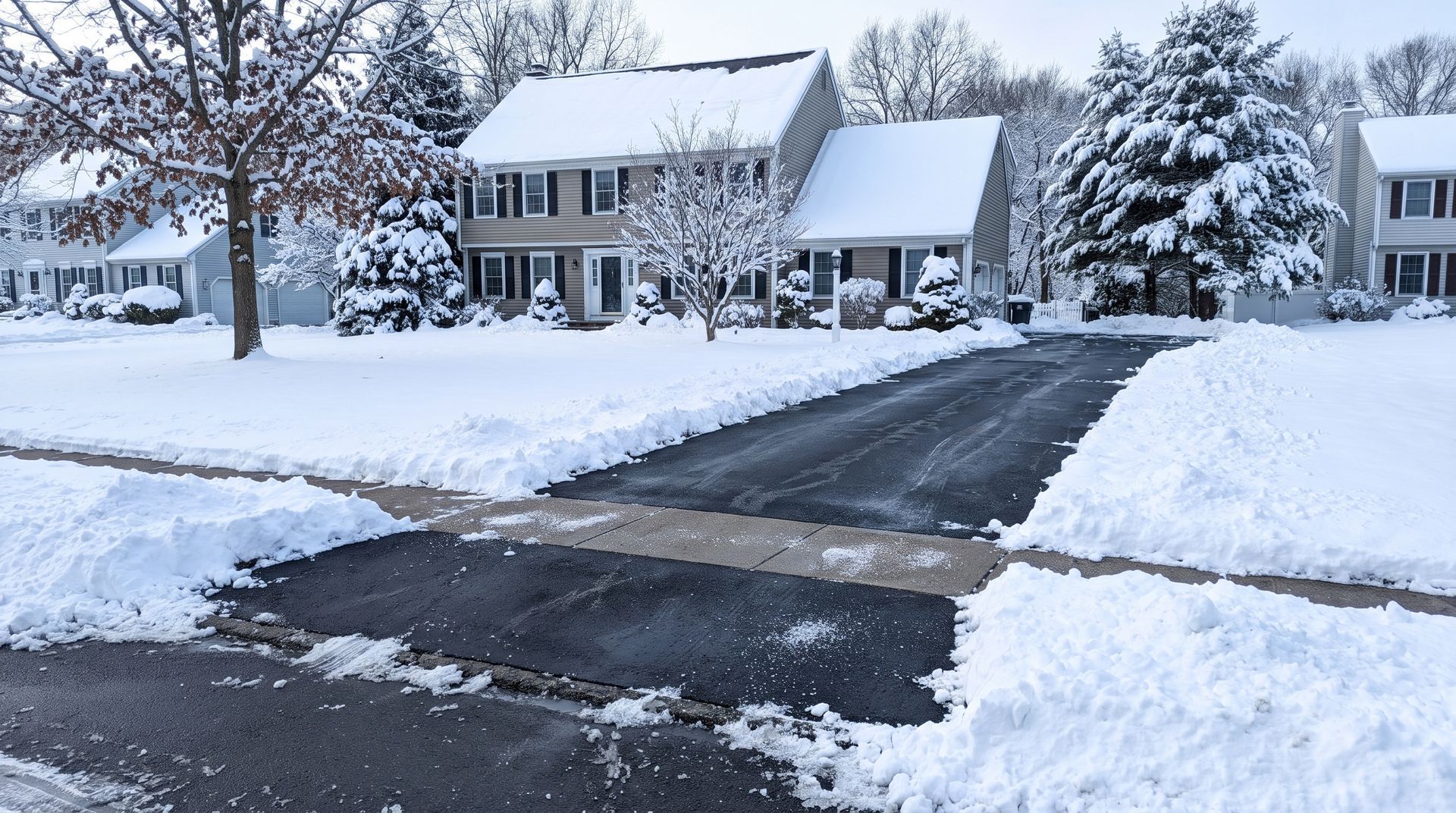
Every winter, we see new shrubs along driveways buried under plow piles or burned by salt spray. A designer who knows Hudson Valley winters leaves a clear snow storage area along the driveway, keeps delicate plants back from the edge, and uses salt-tolerant choices where plow spray lands. That one detail saves a lot of replacement plants, and a driveway with room to stack snow also plows faster, which matters when you look at how much snow removal costs.
Leaf Season
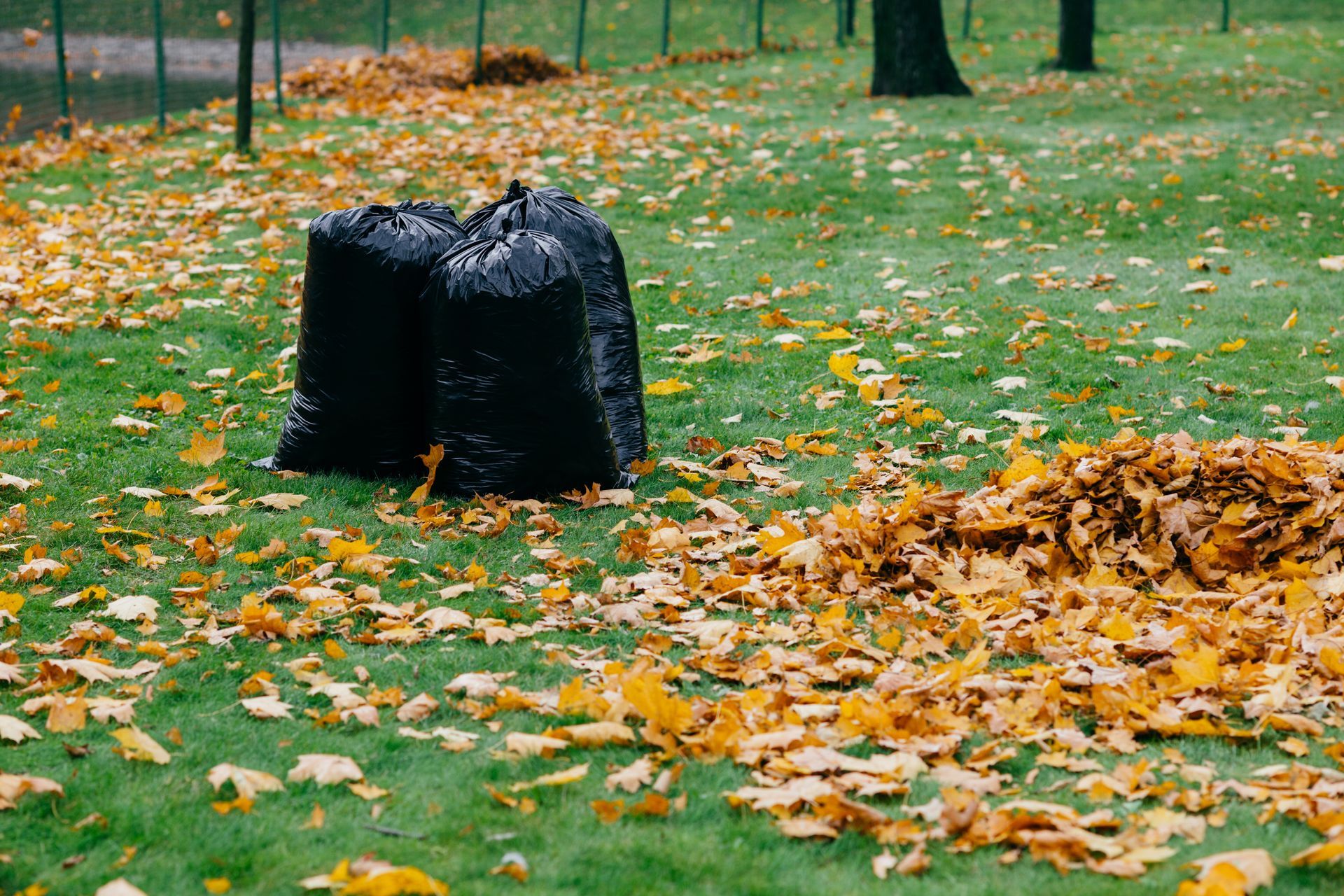
Beds tucked under large deciduous trees fill with leaves every fall. Designs that leave access for cleanup and avoid tiny, hard-to-rake pockets make
leaf cleanup faster and keep perennials from rotting under wet mats.
Designer vs. Landscaper vs. Landscape Architect
These titles get used loosely, but they describe different jobs. Knowing the difference helps you hire the right person.
| Professional | What They Do | When You Need Them |
|---|---|---|
| Landscape designer | Plans bed layouts, plant choices, and residential outdoor spaces | Most residential planting projects and bed renovations |
| Landscaper or landscape contractor | Installs and maintains landscapes, sometimes with built-in design | Installation, ongoing care, and simpler refreshes |
| Landscape architect | Licensed by New York State; designs complex sites and stamps plans | Grading, drainage engineering, permits, and large or commercial sites |
Many homeowners need a mix: a design-install landscaper for the plantings and, occasionally, an architect or hardscape contractor for structural work. We break down what each typically charges in our guide on how much landscape design costs.
What We Do and Do Not Design
Our design work focuses on softscapes: foundation and entry beds, plantings, bed shaping, mulch, and light rock accents. We do not build patios, retaining walls, or other masonry. If your project needs hardscape, we will tell you so up front and plan the planting around it.
When to Hire a Landscape Designer
You do not need a designer for every project. These are the situations where a plan pays for itself.
- You are starting from bare ground, such as a new build or a yard cleared after tree removal.
- Plants keep dying in the same beds, which usually means a light, drainage, or deer problem that needs diagnosis.
- Foundation shrubs are overgrown and blocking windows, walkways, or siding.
- You want to redo several beds at once and need them to look like one property, not separate projects.
- You are planning in phases over a few seasons and want each phase to fit the whole.
- You are selling and want curb appeal improvements that look finished, not rushed.
When You Probably Do Not Need One
If you are refreshing mulch, replacing a couple of shrubs in an otherwise healthy bed, or reshaping an edge, a good landscaper can handle it with a quick conversation on site. Many local crews, including ours, build a simple design into the project rather than charging for a separate plan.
Getting the Most From a Landscape Designer
The best designs come from clear input. Before a walkthrough, think about how you use the yard, what you like and dislike now, and how much maintenance you will realistically do. Photos of yards you like help more than any description. Mention known problems like wet spots, deer damage, or plants that keep failing. Finally, share a rough budget. A designer can plan a lot of value at any level, but only if they know the target.
When the plan is ready, look for a clear plant list with sizes and quantities, a sense of the install sequence, and care instructions. Ours includes a simple care guide with a watering schedule for the first several weeks, since that is when new plantings are most at risk.
Talk to a Local Landscape Designer
Our landscape design service covers foundation and entry beds, bed renovations, plant selection for Hudson Valley conditions, and clean installation. We can pair it with mowing, trimming, cleanups, and snow plowing so the property stays sharp year-round. You can see examples of our work in our gallery.
We serve Poughkeepsie, Wappingers Falls, Hyde Park, LaGrange, Pleasant Valley, Hopewell Junction, and nearby east-side towns. Call or text (845) 394-9409 with a few photos of your yard, or
request a free estimate.
Frequently Asked Questions
Is a landscape designer the same as a landscaper?
Not always. A landscape designer plans the layout and plant choices, while a landscaper installs and maintains the work. Many local companies do both, designing a project and then building it with their own crew.
Do landscape designers install the plants?
Some do and some do not. Design-only professionals hand you a plan to give to an installer. Design-install companies plan the project and handle the planting, soil prep, and finishing themselves.
When should I hire a landscape designer?
Hire one when you are starting from scratch, redoing several beds, dealing with repeated plant failures, or planning a project in phases. Small refreshes usually do not need a formal plan.
Can a landscape designer help with deer problems?
Yes. A designer who works locally knows which plants deer tend to avoid and can place more vulnerable plants where they are better protected. No plant is completely deer-proof, but good choices cut the damage significantly.
Do I need a landscape architect for my yard?
For most residential planting projects, no. A licensed landscape architect makes sense when the project involves grading, drainage engineering, permits, or structural elements, or for large and commercial sites.
Recent Posts